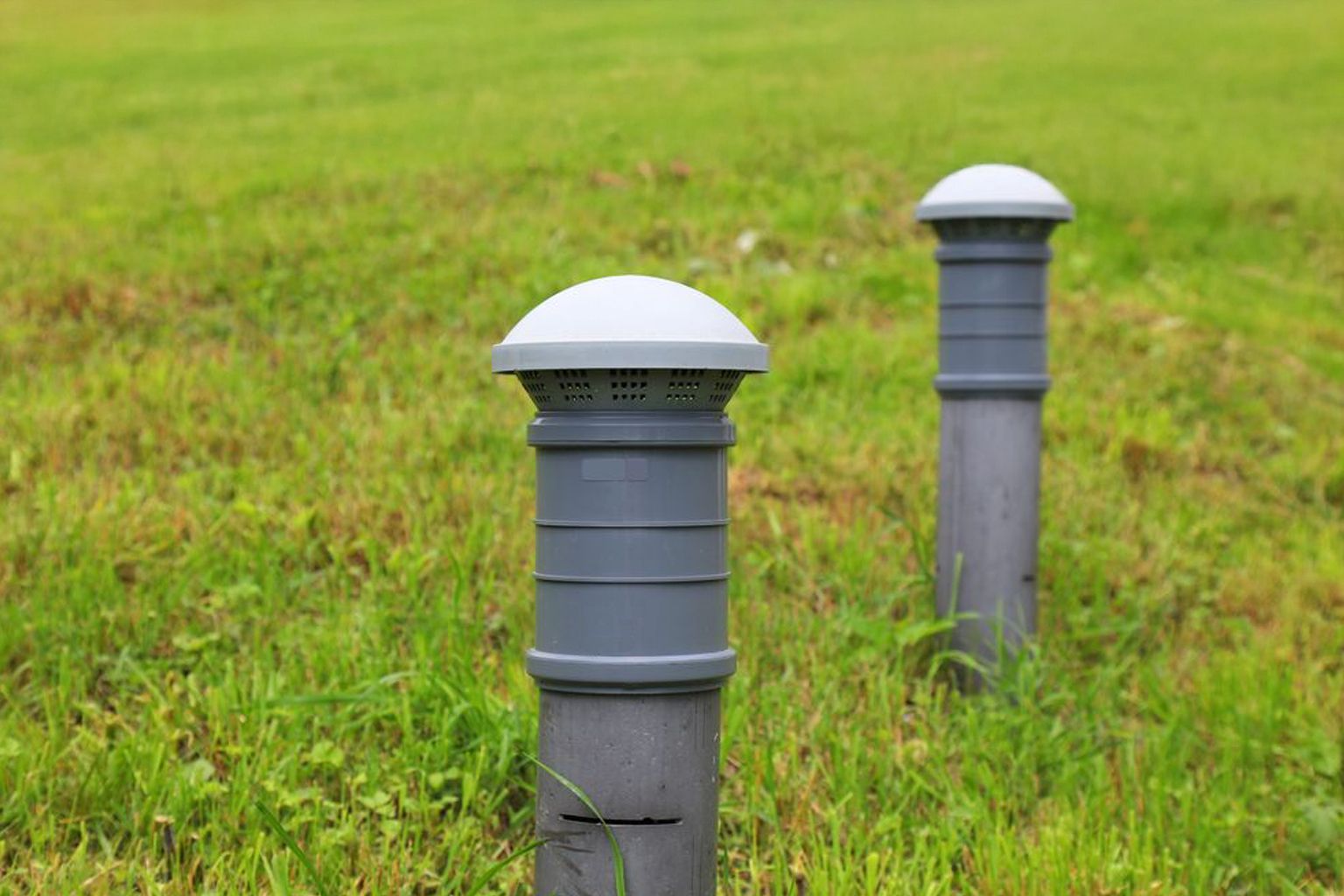
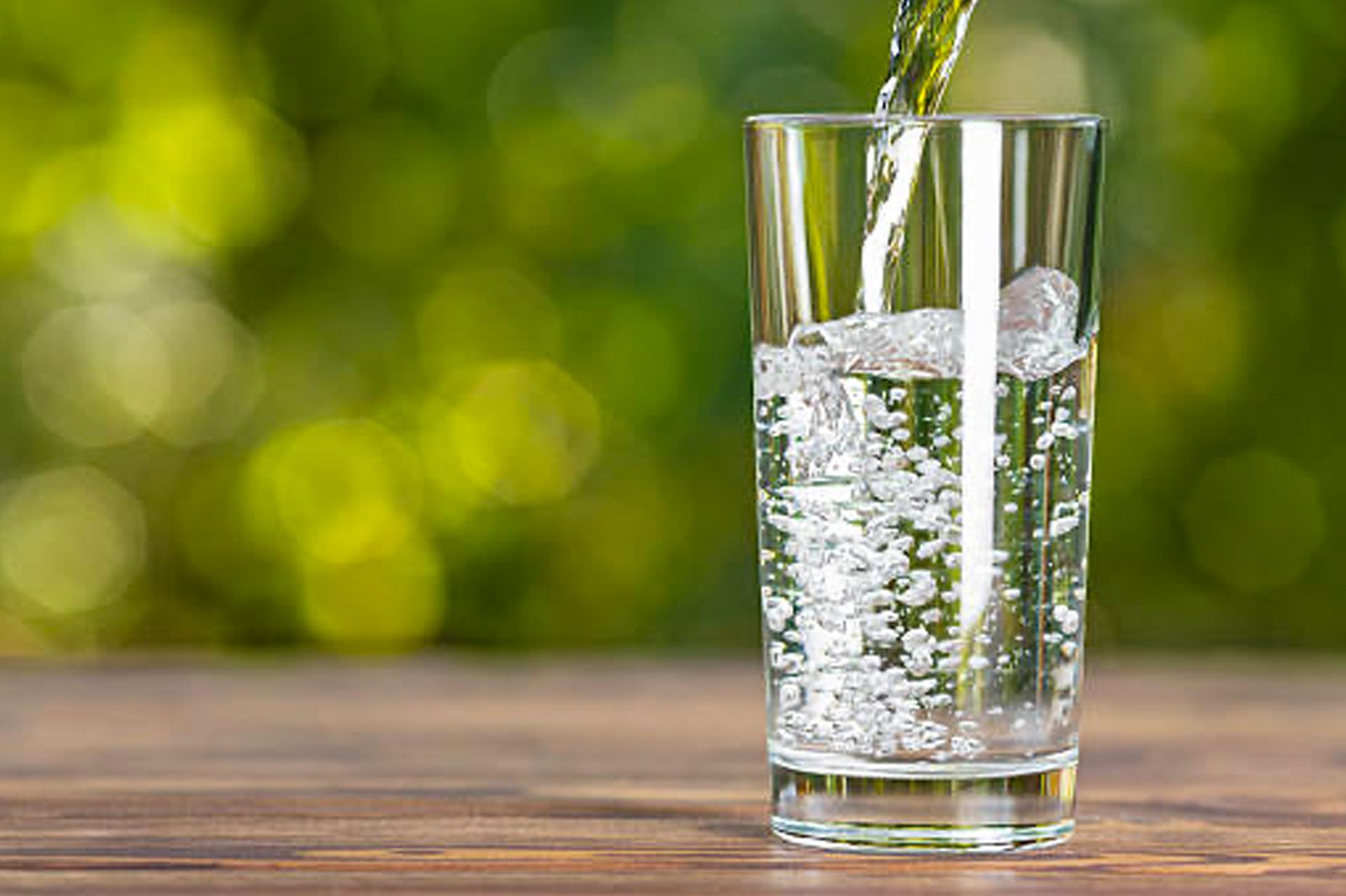
Yes — a failing or improperly maintained septic system can contaminate well water. Although septic systems are designed to safely treat and filter wastewater underground, problems with the system can allow harmful bacteria, viruses, and pollutants to reach nearby groundwater supplies. For homeowners who rely on private wells, protecting both the septic system and the well is extremely important for maintaining safe drinking water. At Ability Septic , we help homeowners prevent septic issues through professional inspections, pumping, maintenance, and system evaluations. ____________________ How Does Septic Contamination Happen? A septic system treats wastewater by separating solids inside the septic tank and filtering liquid wastewater through the drain field soil. When everything functions properly, the soil naturally helps remove contaminants before the water reaches groundwater. However, contamination can occur if: The septic tank is overflowing The drain field is failing Pipes are leaking The system is overloaded Wastewater is not filtering properly When untreated or partially treated wastewater enters groundwater, nearby wells may become contaminated. ____________________ What Contaminants Can Enter Well Water? A failing septic system may introduce: E. coli bacteria Coliform bacteria Nitrates Viruses Parasites Household chemicals Wastewater pollutants These contaminants can create serious health risks, especially for children, older adults, and individuals with weakened immune systems. ____________________ Signs Your Well Water May Be Contaminated Contaminated well water is not always visible, but possible warning signs include: Bad odors Cloudy or discolored water Unusual taste Recurring stomach illness High nitrate test results Sewage odors near the well or yard Even if your water appears normal, contamination may still be present. Routine water testing is important for homes with private wells. ____________________ Factors That Increase Contamination Risk Septic System Age Older septic systems may develop cracks, leaks, or failing drain fields over time. Poor Maintenance Septic tanks that are not pumped regularly can overflow solids into the drain field and groundwater. Heavy Rain or Flooding Excessive water saturation can reduce soil filtration and allow contaminants to spread more easily. Improper System Placement Septic systems installed too close to wells increase the risk of contamination. Damaged Drain Fields Failing drain fields may release untreated wastewater into the surrounding soil. ____________________ How Far Should a Septic System Be From a Well? Local health codes typically require minimum separation distances between septic systems and wells to help protect groundwater. Exact distances vary by location, soil conditions, and system type. Professional septic inspections can help verify your system is operating safely and meeting local requirements. ____________________ How to Protect Your Well Water Homeowners can reduce contamination risks by: Pumping the septic tank regularly Conserving water usage Avoiding grease, wipes, and chemicals in drains Keeping heavy vehicles off the drain field Scheduling routine septic inspections Testing well water annually Preventative maintenance is one of the best ways to protect both your septic system and your drinking water. ____________________ When Should You Call a Septic Professional? You should schedule an inspection if you notice: Sewage odors Wet areas near the drain field Slow drains or backups Changes in well water quality Standing water in the yard Early detection can help prevent major repairs and protect your household water supply. ____________________ Trust Ability Septic for Professional Septic Services At Ability Septic , we provide professional septic pumping, inspections, maintenance, and troubleshooting services to help homeowners protect their septic systems and groundwater safety. Whether you need routine septic service or suspect a problem with your system, our experienced team is here to help keep your property safe and operating efficiently. Contact Ability Septic today to schedule your septic inspection or maintenance service.
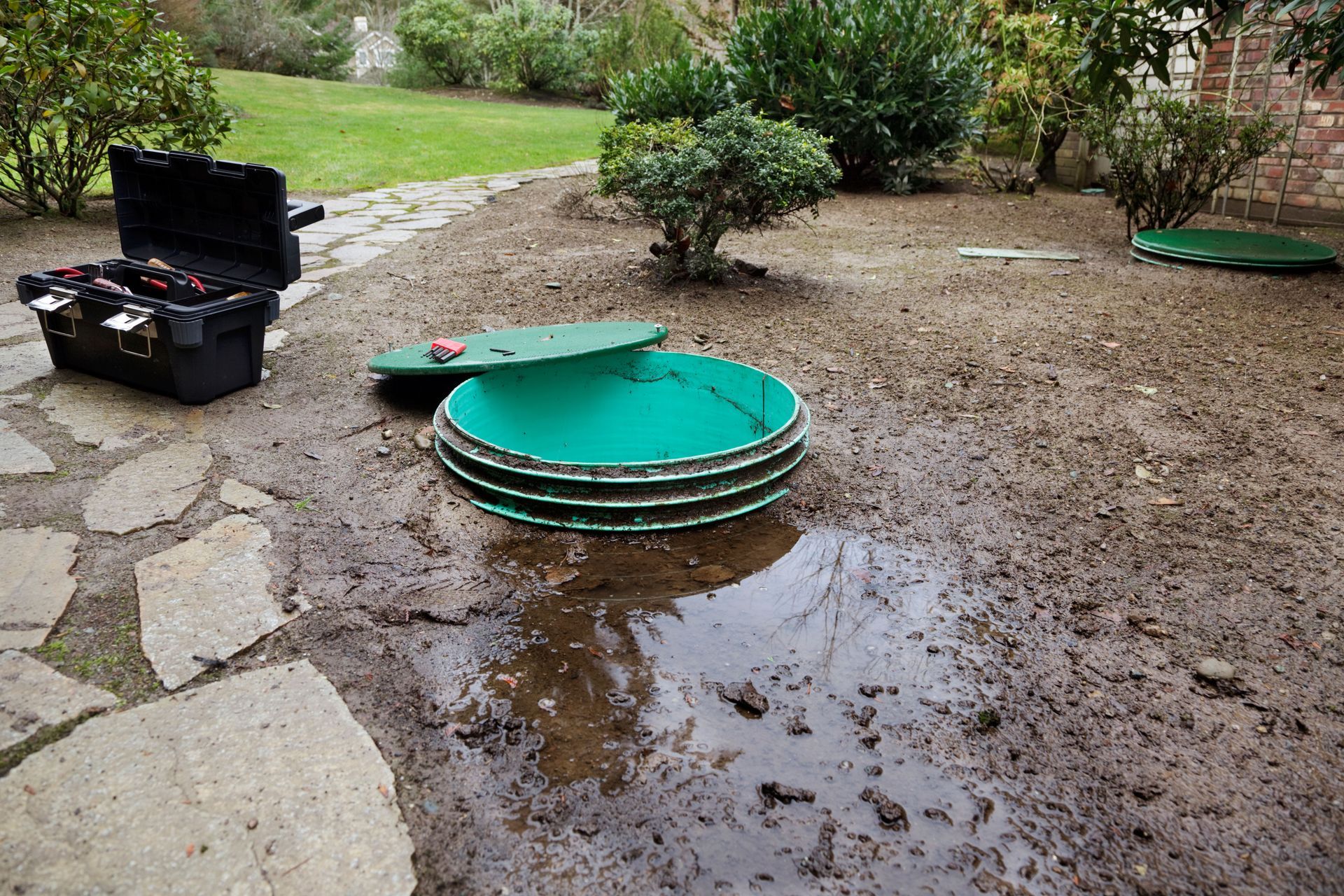
Scheduling regular septic system cleaning and inspections can help reduce the risk of backups, unpleasant odors, drainage problems, and expensive repairs.
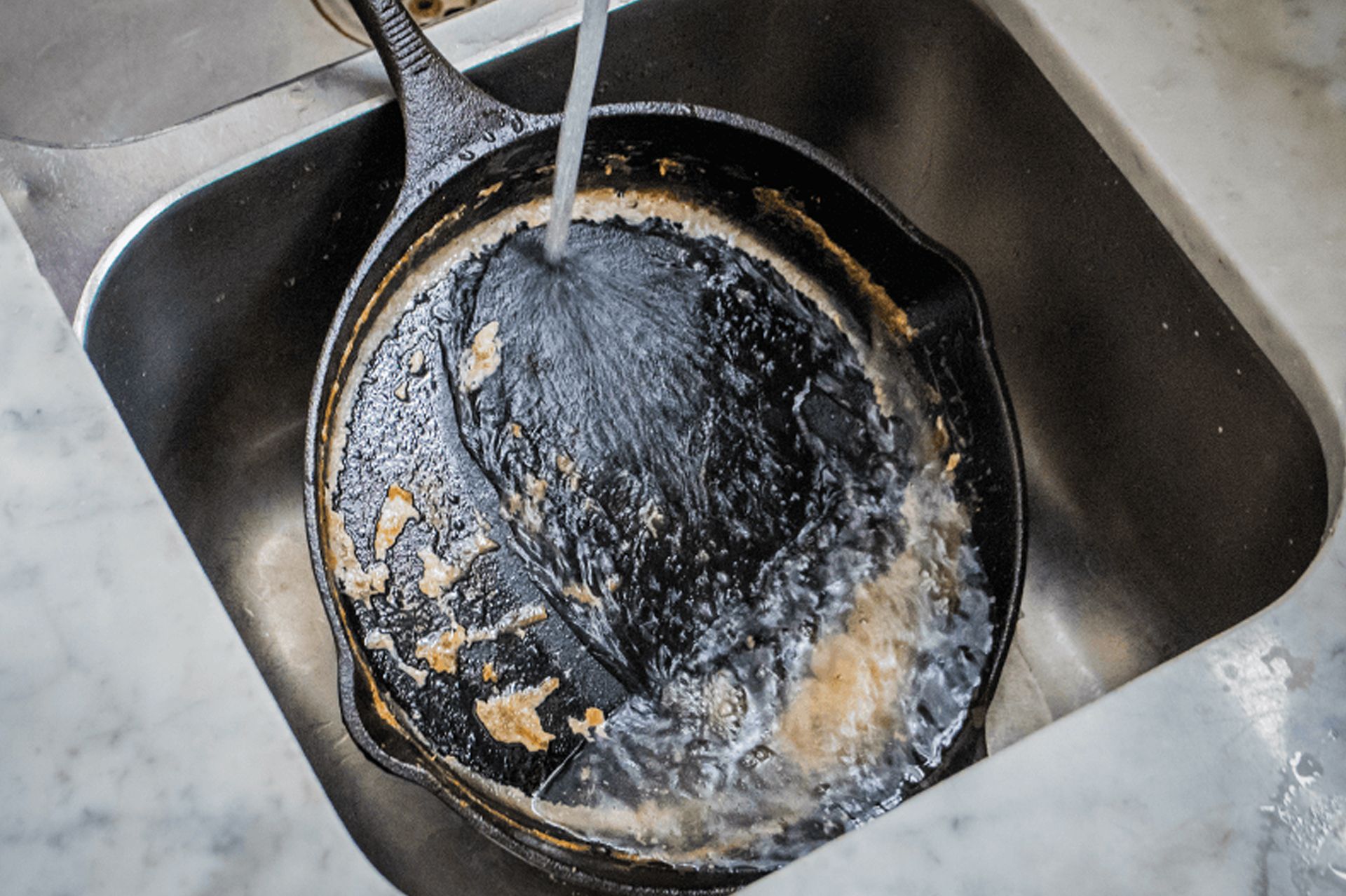
Yes — FOG can significantly decrease the efficiency of your septic system. FOG stands for fats, oils, and grease, and when these materials enter your septic tank, they can create serious problems for both the tank and the drain field. Many homeowners don’t realize that everyday kitchen waste like cooking oil, bacon grease, butter, sauces, and food scraps can slowly damage a septic system over time. At Ability Septic , we help homeowners protect their septic systems through proper maintenance, inspections, and preventative care. ____________________ What Happens When FOG Enters a Septic Tank? When fats, oils, and grease go down your drains, they do not break down easily like normal wastewater. Instead, they float to the top of the septic tank and form a thick layer called scum. Over time, excessive FOG buildup can: Reduce tank capacity Restrict wastewater flow Clog septic pipes Damage the drain field Cause backups and odors Increase pumping frequency The more grease that enters the system, the harder your septic tank must work to separate and process waste properly. ____________________ Why Is Grease So Harmful? Unlike water-soluble waste, grease hardens as it cools. This sticky material can coat: Pipes Filters Baffles Tank walls Drain field lines Once grease begins accumulating, it traps other debris and creates blockages that may eventually lead to complete system failure. ____________________ Can FOG Reach the Drain Field? Yes. If too much grease builds up inside the septic tank, it can move into the drain field along with wastewater effluent. This is one of the most expensive septic problems a homeowner can face because grease can clog the soil and perforated drain pipes underground. Once a drain field becomes saturated with grease, repairs or replacement may be necessary. ____________________ Common Household Sources of FOG Many common kitchen items contribute to FOG buildup, including: Cooking oils Bacon grease Butter and shortening Salad dressings Gravy and sauces Dairy products Fatty food scraps Fried food residue Even using a garbage disposal excessively can increase grease and solids entering the septic system. ____________________ Warning Signs of Excessive Grease Buildup Too much FOG in your septic system may cause: Slow kitchen drains Gurgling pipes Sewage odors Frequent backups Standing water near the drain field Septic alarms or high tank levels If you notice these warning signs, it’s important to schedule a septic inspection before the problem becomes worse. ____________________ How To Prevent FOG Problems Never Pour Grease Down the Drain Instead: Let grease cool Pour it into a sealed container Dispose of it in the trash Wipe Dishes Before Washing Use paper towels to remove grease and food residue before rinsing dishes. Limit Garbage Disposal Use Garbage disposals increase solids entering the septic tank and can contribute to buildup. Schedule Regular Septic Pumping Routine pumping removes grease and solids before they can cause major damage. How Often Should a Septic Tank Be Pumped? Most residential septic tanks should be pumped every 3–5 years, depending on: Household size Water usage Tank size Amount of grease entering the system Homes with excessive kitchen grease use may require more frequent maintenance. ____________________ Protect Your Septic System with Ability Septic Routine septic tank cleaning goes beyond just sludge removal. It includes a thorough inspection of the entire system to identify early signs of wear or damage. Our team conducts detailed assessments of your tank, pipes, and drain fields to ensure every component functions correctly. This proactive approach helps to prevent costly repairs and extend the lifespan of your septic system. Early detection through maintenance reduces unexpected breakdowns and keeps your system operating smoothly. With our septic system cleaners in Batavia, IL , you receive professional guidance on maintaining your system’s health. We offer advice on water usage, waste disposal practices, and signs to watch for, empowering you to take control of your septic system’s longevity and performance. Knowledgeable guidance helps you prevent common septic problems before they start. Contact Ability Septic today to schedule your septic service and keep your system operating efficiently year-round.