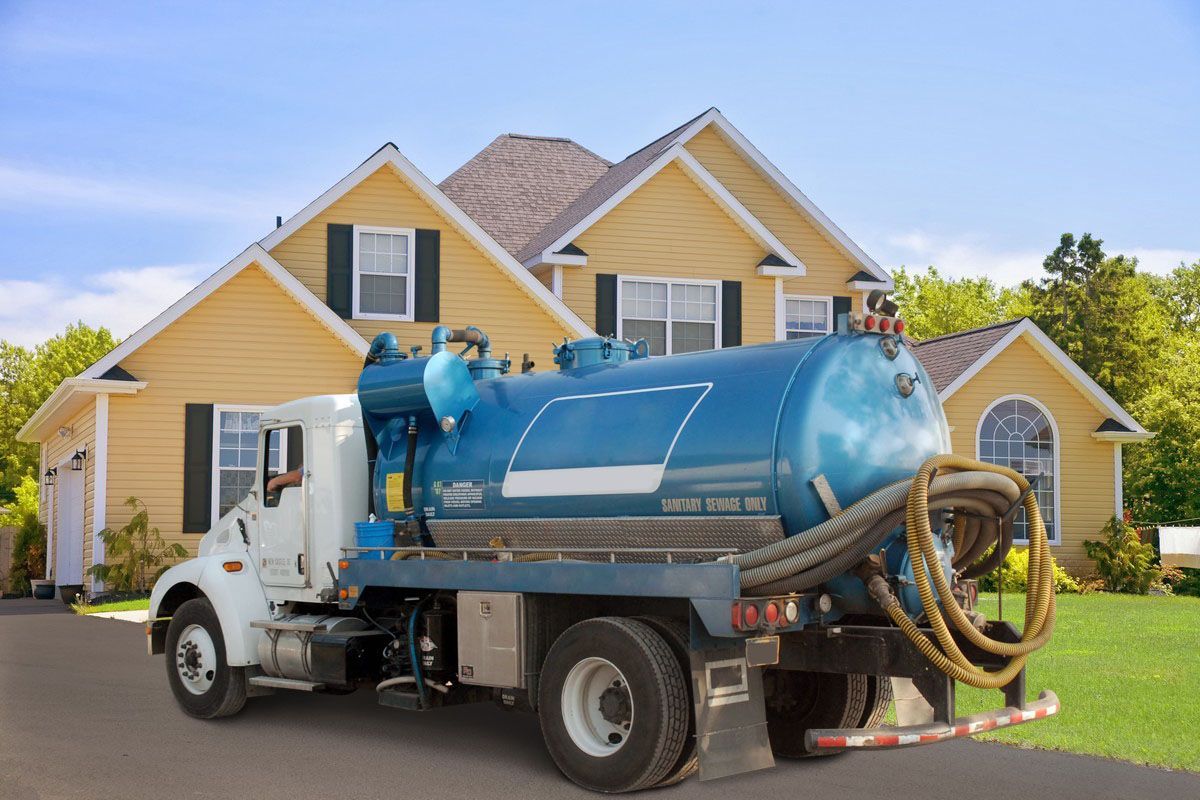
Explore how smart sensors and modern tech are revolutionizing septic tank pumping services to make maintenance faster, cleaner, and more efficient.
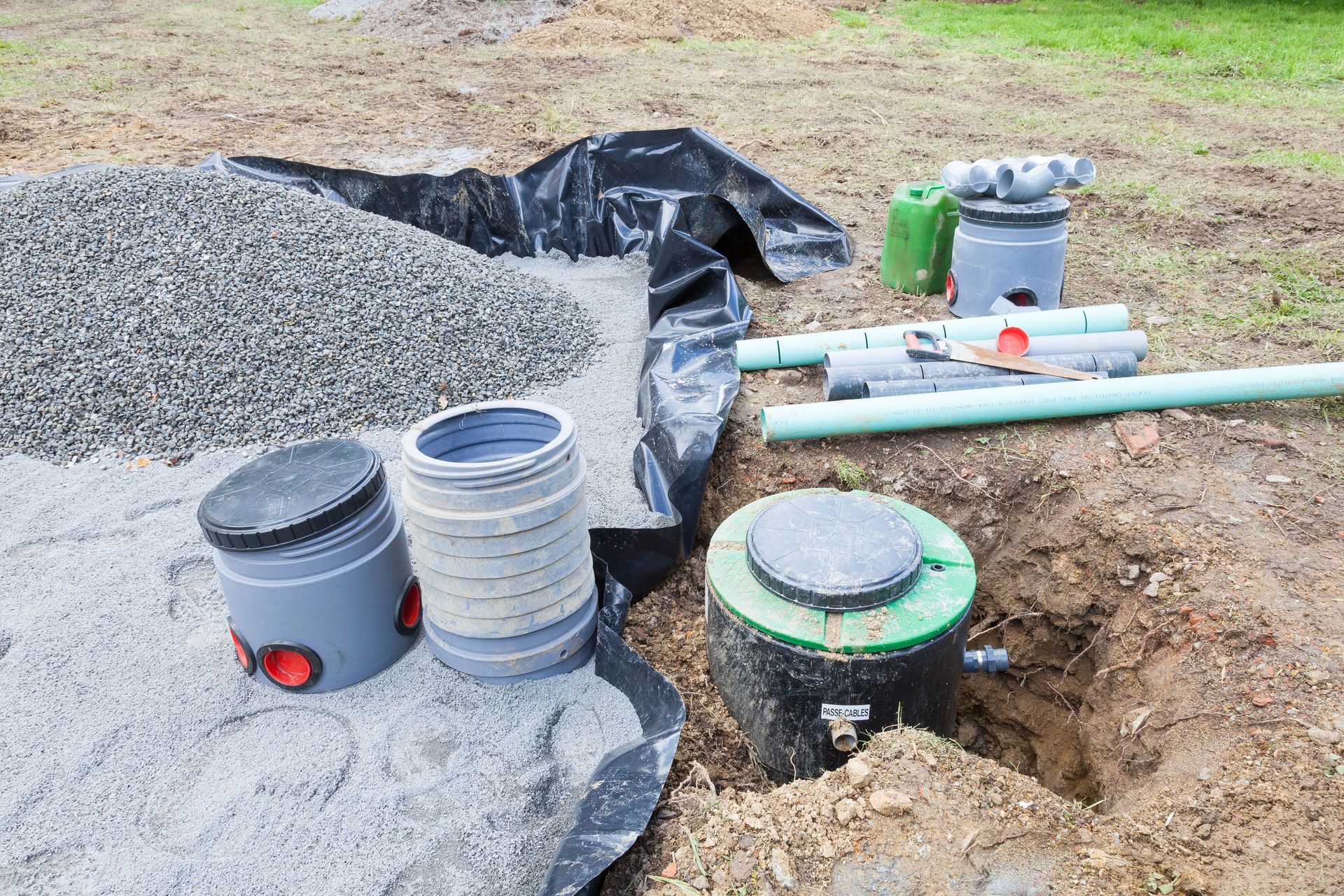
Keep your system running smoothly and avoid costly drain field failures with timely septic tank pumping. Protect your property today.
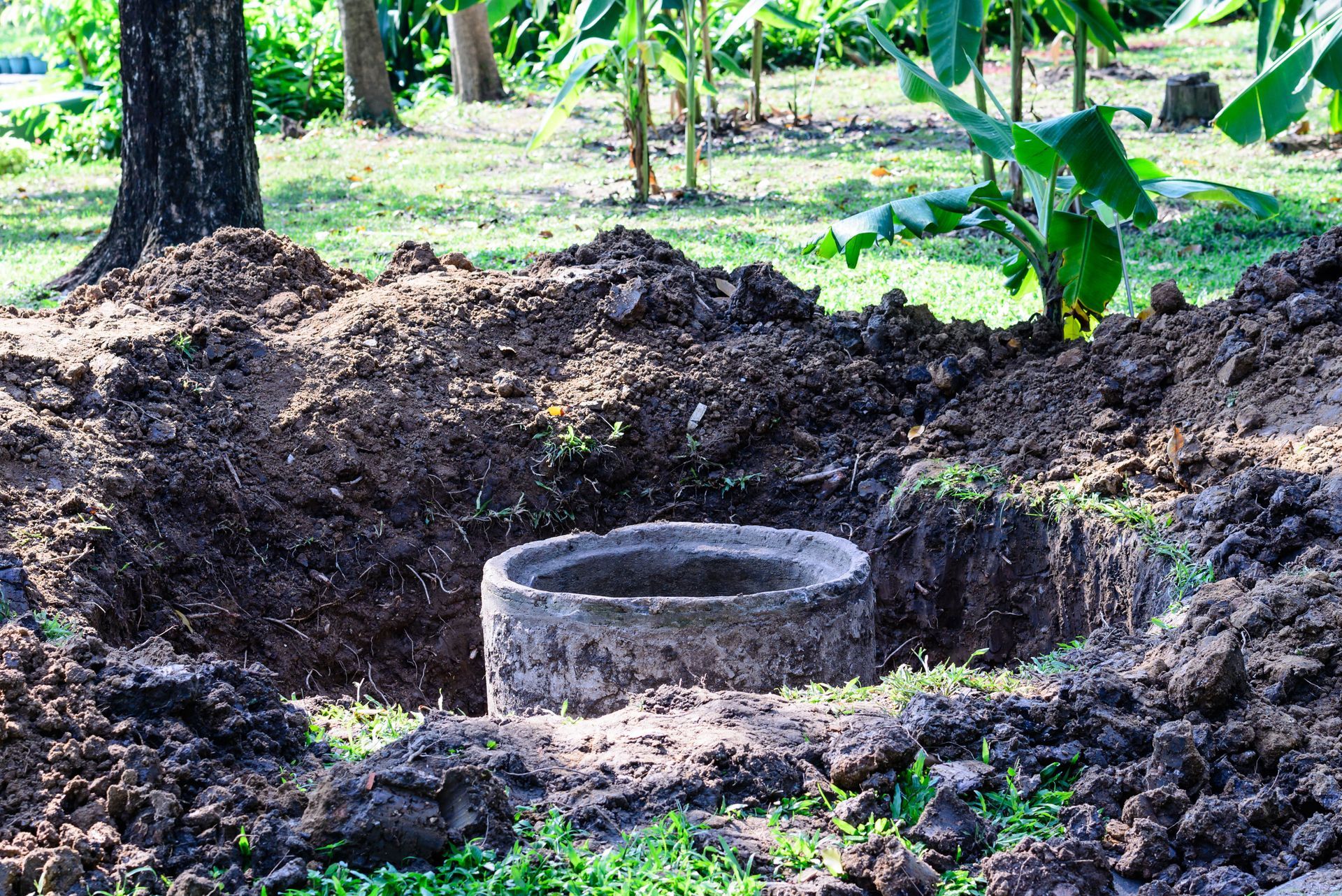
When inspections, pumping, and septic system cleaning are delayed, untreated wastewater may affect the property or local water quality.
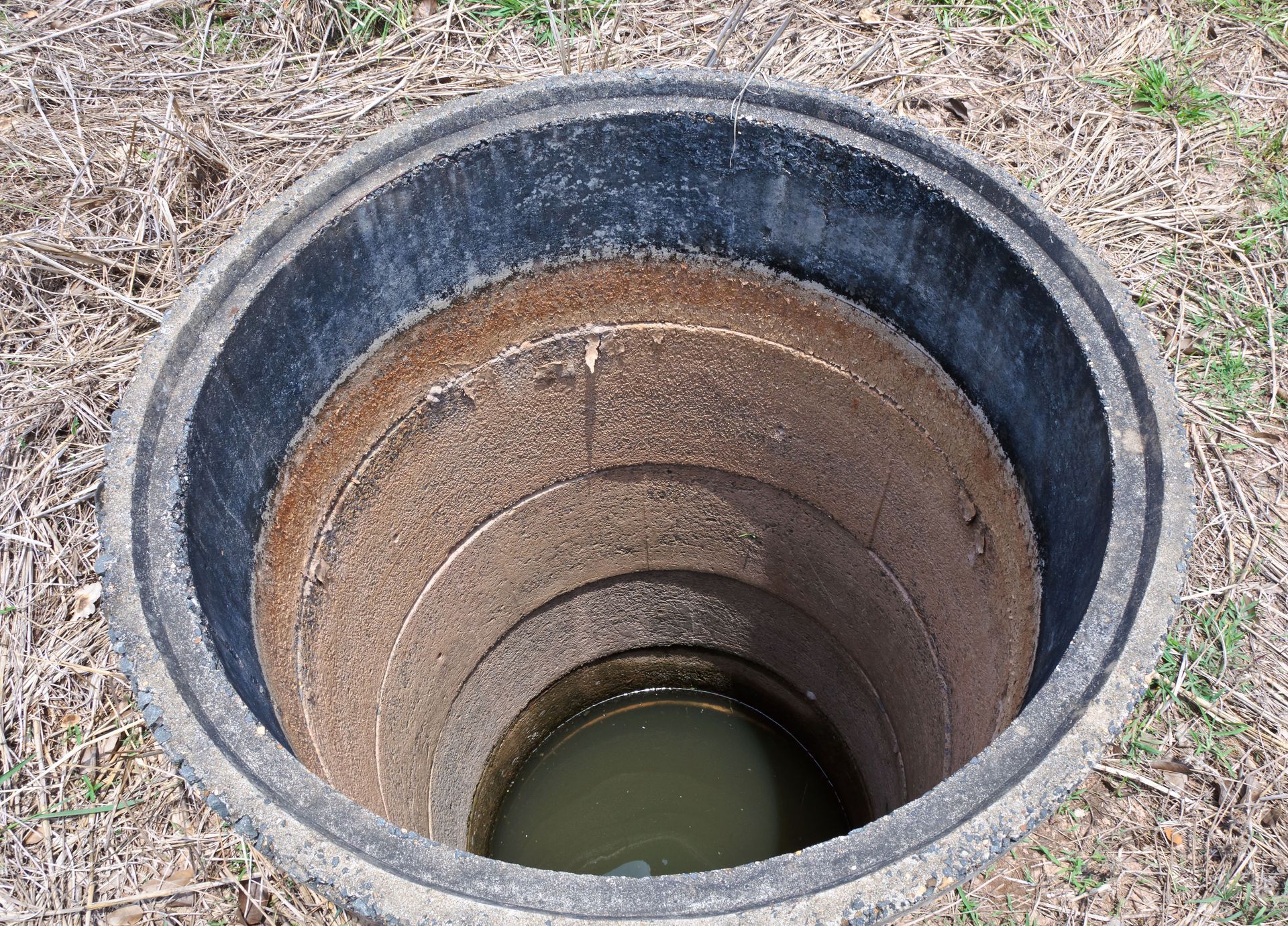
Avoid a total plumbing nightmare. Learn how routine septic pumping keeps your tank running smoothly and saves you from costly yard repairs.
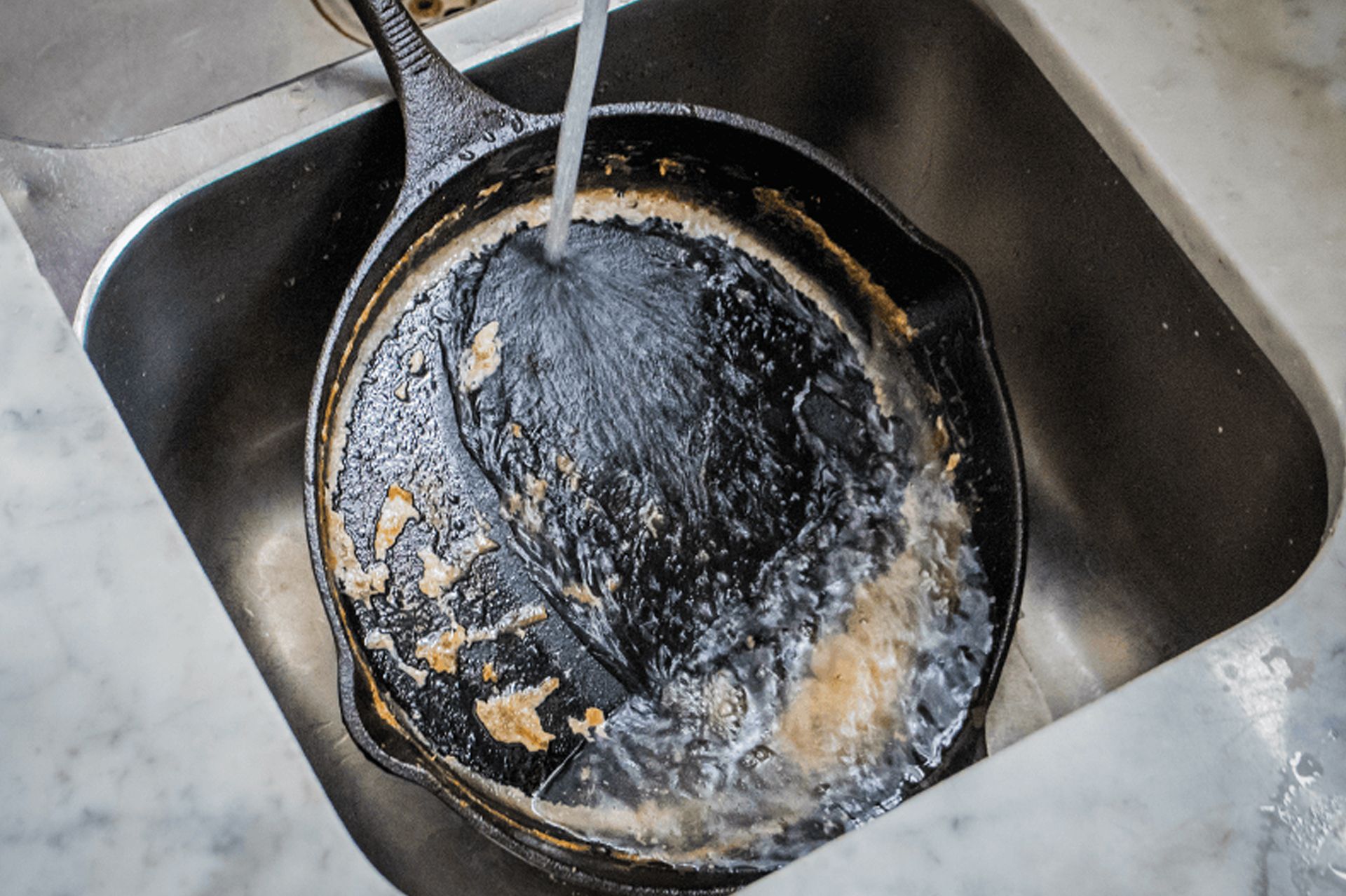
Yes — FOG can significantly decrease the efficiency of your septic system. FOG stands for fats, oils, and grease, and when these materials enter your septic tank, they can create serious problems for both the tank and the drain field. Many homeowners don’t realize that everyday kitchen waste like cooking oil, bacon grease, butter, sauces, and food scraps can slowly damage a septic system over time. At Ability Septic , we help homeowners protect their septic systems through proper maintenance, inspections, and preventative care. ____________________ What Happens When FOG Enters a Septic Tank? When fats, oils, and grease go down your drains, they do not break down easily like normal wastewater. Instead, they float to the top of the septic tank and form a thick layer called scum. Over time, excessive FOG buildup can: Reduce tank capacity Restrict wastewater flow Clog septic pipes Damage the drain field Cause backups and odors Increase pumping frequency The more grease that enters the system, the harder your septic tank must work to separate and process waste properly. ____________________ Why Is Grease So Harmful? Unlike water-soluble waste, grease hardens as it cools. This sticky material can coat: Pipes Filters Baffles Tank walls Drain field lines Once grease begins accumulating, it traps other debris and creates blockages that may eventually lead to complete system failure. ____________________ Can FOG Reach the Drain Field? Yes. If too much grease builds up inside the septic tank, it can move into the drain field along with wastewater effluent. This is one of the most expensive septic problems a homeowner can face because grease can clog the soil and perforated drain pipes underground. Once a drain field becomes saturated with grease, repairs or replacement may be necessary. ____________________ Common Household Sources of FOG Many common kitchen items contribute to FOG buildup, including: Cooking oils Bacon grease Butter and shortening Salad dressings Gravy and sauces Dairy products Fatty food scraps Fried food residue Even using a garbage disposal excessively can increase grease and solids entering the septic system. ____________________ Warning Signs of Excessive Grease Buildup Too much FOG in your septic system may cause: Slow kitchen drains Gurgling pipes Sewage odors Frequent backups Standing water near the drain field Septic alarms or high tank levels If you notice these warning signs, it’s important to schedule a septic inspection before the problem becomes worse. ____________________ How To Prevent FOG Problems Never Pour Grease Down the Drain Instead: Let grease cool Pour it into a sealed container Dispose of it in the trash Wipe Dishes Before Washing Use paper towels to remove grease and food residue before rinsing dishes. Limit Garbage Disposal Use Garbage disposals increase solids entering the septic tank and can contribute to buildup. Schedule Regular Septic Pumping Routine pumping removes grease and solids before they can cause major damage. How Often Should a Septic Tank Be Pumped? Most residential septic tanks should be pumped every 3–5 years, depending on: Household size Water usage Tank size Amount of grease entering the system Homes with excessive kitchen grease use may require more frequent maintenance. ____________________ Protect Your Septic System with Ability Septic Routine septic tank cleaning goes beyond just sludge removal. It includes a thorough inspection of the entire system to identify early signs of wear or damage. Our team conducts detailed assessments of your tank, pipes, and drain fields to ensure every component functions correctly. This proactive approach helps to prevent costly repairs and extend the lifespan of your septic system. Early detection through maintenance reduces unexpected breakdowns and keeps your system operating smoothly. With our septic system cleaners in Batavia, IL , you receive professional guidance on maintaining your system’s health. We offer advice on water usage, waste disposal practices, and signs to watch for, empowering you to take control of your septic system’s longevity and performance. Knowledgeable guidance helps you prevent common septic problems before they start. Contact Ability Septic today to schedule your septic service and keep your system operating efficiently year-round.
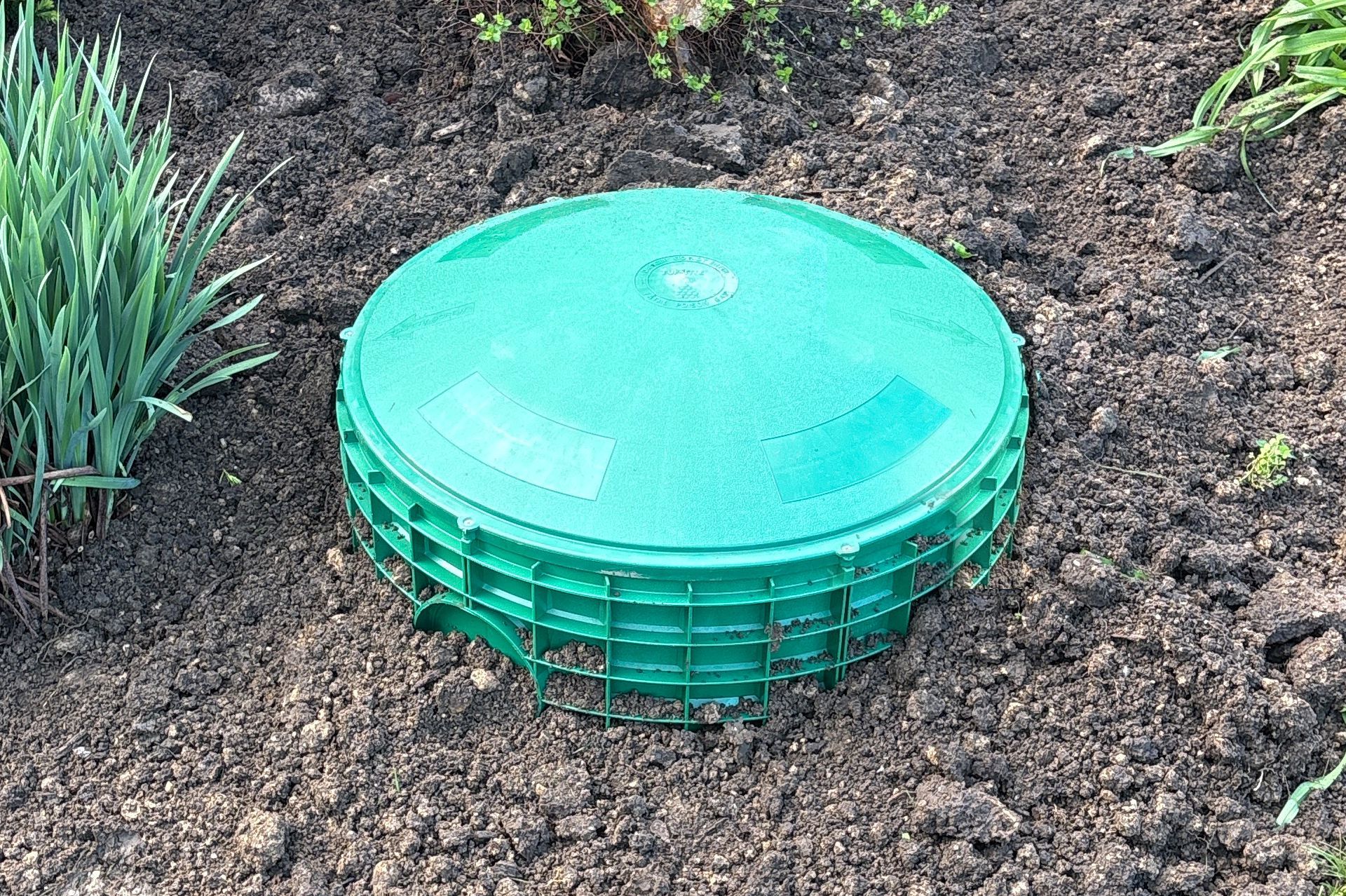
If your septic tank lids are buried underground, installing risers can make maintaining your septic system much easier, cleaner, and more cost-effective. Many homeowners don’t realize how valuable septic risers are until it’s time for a pumping, inspection, or emergency repair. At Ability Septic , we often recommend risers to customers because they improve access to your septic system while helping protect your property and reduce future service costs. ____________________ What Are Septic Risers? Septic risers are durable pipes, usually made from polyethylene or concrete, that extend your septic tank access openings from underground up to ground level. They are installed over the tank lids and sealed with secure, child-safe covers. Instead of digging up your yard every time your tank needs service, technicians can simply remove the riser lid and access the tank immediately. ____________________ Benefits of Installing Septic Risers Easier Septic Maintenance Without risers, locating and digging up buried lids can take extra time and labor during every service visit. Risers provide direct access, making septic pumping and inspections faster and more efficient. Saves Money Over Time Although risers require an upfront installation cost, they can reduce future digging expenses and labor charges. Over the life of your septic system, they often pay for themselves. Protects Your Yard and Landscaping Repeated digging can damage grass, landscaping, patios, and driveways. Risers eliminate the need to excavate your property each time your tank needs maintenance. Faster Emergency Access If your septic system backs up or experiences a problem, quick access matters. Risers allow technicians to inspect and diagnose issues immediately without spending time locating buried lids. Encourages Regular Maintenance When septic access is simple, homeowners are more likely to stay on schedule with routine pumping and inspections. Preventative maintenance helps extend the life of your septic system and avoid costly repairs. ____________________ Do All Septic Systems Need Risers? Not every septic system has risers installed, especially older systems. However, risers are highly recommended if: Your septic lids are buried underground Your yard must be dug up during every pumping You want easier access for maintenance You want to reduce long-term service costs You recently installed a new septic tank You plan to stay in your home long-term Newer septic systems often include risers as part of the installation because of the convenience and long-term value they provide. ____________________ Are Septic Risers Safe? Yes. Modern septic risers use heavy-duty, secure lids designed to withstand weather, foot traffic, and normal yard conditions. Professional installation ensures the risers are sealed properly to prevent odors or water intrusion. ____________________ When Should Risers Be Installed? The best time to install risers is during: Septic tank pumping Septic inspections Tank repairs New septic system installation Since the tank lids are already exposed during these services, installation is usually quicker and more cost-effective. ____________________ Trust Ability Septic for Professional Septic Service At Ability Septic , we help homeowners keep their septic systems operating efficiently with professional pumping, inspections, maintenance, and riser installation services. Our experienced team can evaluate your system and recommend the best solution for easy long-term access and maintenance. If you’re tired of digging up your yard every time your septic tank needs service, septic risers may be the perfect solution. Contact Ability Septic today at (630) 739-6907 to schedule your septic service or learn more about riser installation options for your property.
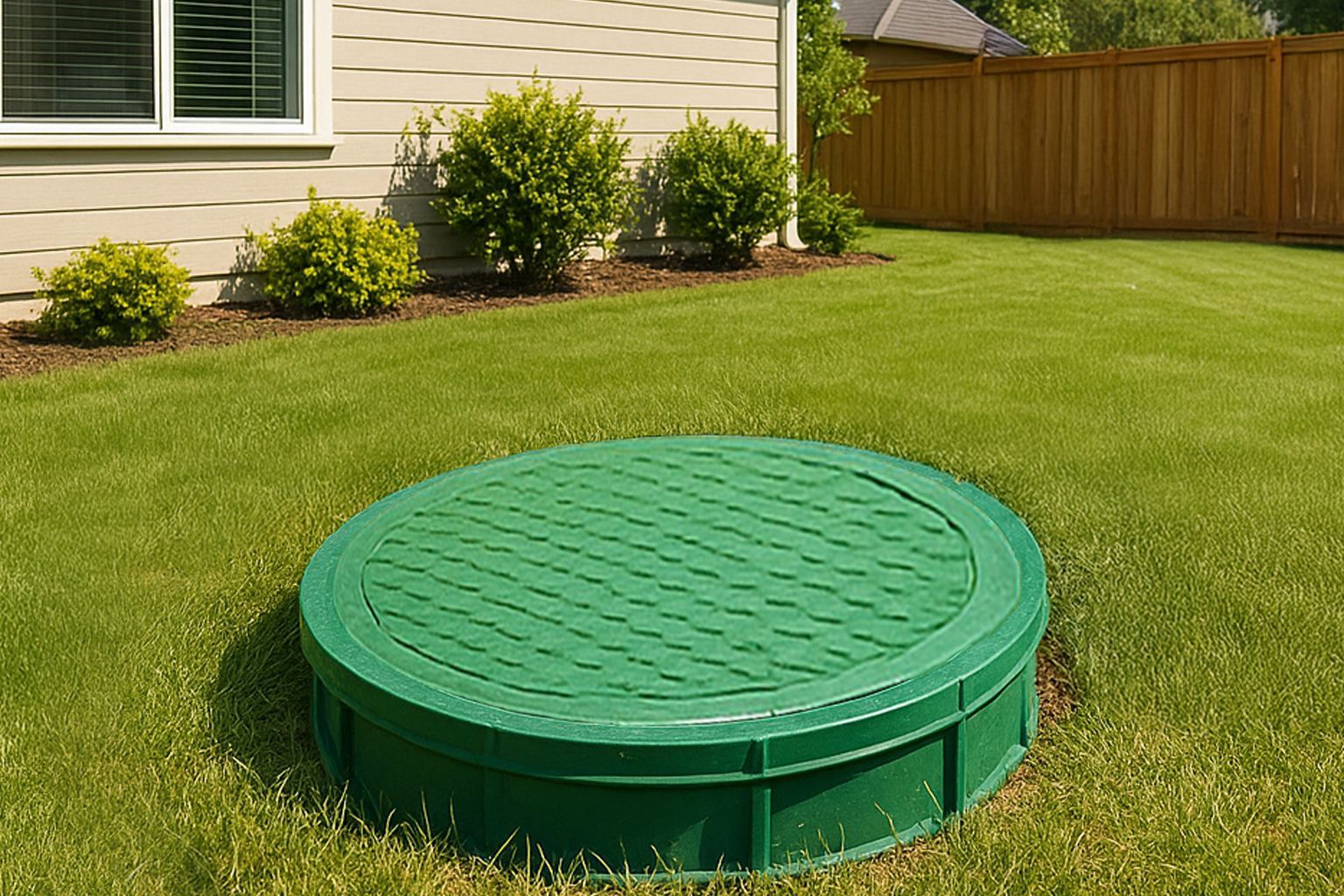
Buying or selling a home is already a big process—but when a septic system is involved, there are a few extra steps you don’t want to overlook. Whether you’re a homeowner preparing to sell or a buyer doing due diligence, understanding how septic systems work (and what can go wrong) can save you time, money, and major headaches. ____________________ What Is a Septic System and Why It Matters A septic system is an underground wastewater treatment system commonly used in homes without access to municipal sewer lines. It typically includes: A septic tank that separates solids and liquids A drain field (leach field) that filters wastewater back into the soil When functioning properly, a septic system is efficient and environmentally friendly. But when neglected, it can lead to costly repairs, property damage, and even failed real estate transactions. ____________________ For Buyers: What You Need to Check 1. Schedule a Professional Septic Inspection Never skip a septic inspection during the home-buying process. A standard home inspection often doesn’t fully evaluate the system. Hire a septic professional to: Pump septic tank for complete inspection Inspect tank condition Measure sludge and scum levels Check for leaks or cracks Evaluate drain field performance 2. Ask About Pumping and Maintenance History A well-maintained system is a good sign. Ask for records showing: Regular pumping (typically every 2–3 years) Any repairs or replacements Past inspections If applicable, pump age and model No records? That’s a red flag worth investigating further. 3. Know the Age of the System Most septic systems last 20–30 years. If the system is nearing the end of its lifespan, you may need to budget for replacement soon. 4. Understand Local Regulations Septic requirements vary by location. Some counties require inspections or certifications before closing. Always check local health department rules to avoid surprises. 5. Watch for Warning Signs Slow drains or gurgling pipes Sewage odors inside or outside Wet, soggy areas in the yard Lush green patches over the drain field Brown grass is bad These can signal system failure or costly issues. ____________________ For Sellers: How to Prepare Your Septic System 1. Get Ahead with an Inspection Having your septic system inspected before listing your home can: Speed up the sale Build buyer confidence Prevent last-minute negotiations 2. Pump the Tank A freshly pumped septic tank shows buyers that the system has been maintained and allows inspectors to better evaluate its condition. 3. Make the System Accessible Ensure lids and risers are easy to locate and access. This helps inspectors and avoids delays. 4. Provide Documentation Offer records of: Pumping history Repairs or upgrades Inspection reports Transparency builds trust and can help justify your asking price. 5. Address Issues Early If your system has problems, it’s usually better to fix them before listing rather than risk losing a deal or lowering your price later. ____________________ Common Septic System Deal Breakers Failed drain field Collapsed or cracked tank Lack of maintenance records Systems not up to code Improper system size for the home Any of these can delay or even cancel a sale if not handled properly. ____________________ Pro Tips for a Smooth Transaction Include septic inspection contingencies in contracts Work with licensed septic professionals Budget for potential repairs or replacement Educate buyers on proper septic use (no grease, wipes, or chemicals) ____________________ Protect Your Investment A septic system may be out of sight, but it should never be out of mind—especially during a real estate transaction. With proper inspections, maintenance, and transparency, both buyers and sellers can move forward with confidence. With over 65 years experience, contact the Ability Septic team today at (630) 739-6907 and we’ll guide you every step of the way through your home buying journey.
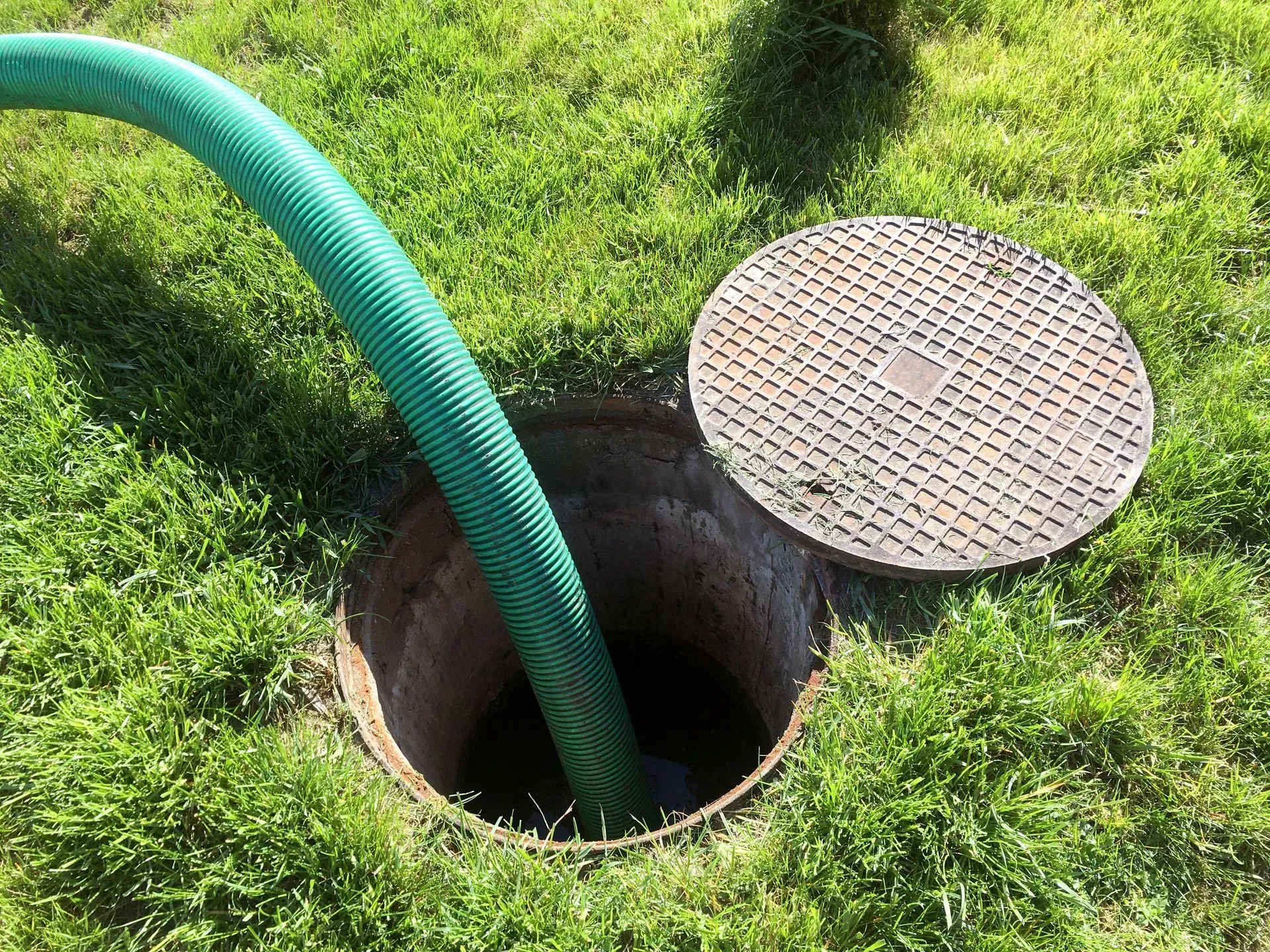
Proper maintenance of commercial plumbin g and septic systems is essential for businesses that rely on grease traps and wastewater infrastructure. A system that is functioning correctly prevents operational disruptions, unpleasant odors, and costly backups. Neglecting regular maintenance can lead to blockages, backups, and inefficient wastewater management. Understanding the signs that indicate professional attention is needed helps protect your business operations and ensures long-term system efficiency. Regular checks and careful observation of system performance can help facility managers plan for maintenance without unexpected interruptions, keeping day-to-day operations running smoothly. Taking the time to review system performance and note any minor changes can also help identify potential issues before they grow into larger problems, making maintenance scheduling more efficient and effective. According to This Old House, septic tanks can typically hold more than 1,000 gallons of waste. ____________________ 1. Troubling Slow Drains Persistent slow drains are often an early indicator that the plumbing or septic system requires professional attention. In commercial kitchens or facilities with heavy water usage, slow drains can signify grease buildup, blockages, or a full septic tank affecting normal flow. Even minor slowdowns in water flow can disrupt normal workflow in busy facilities, making it essential to monitor drain performance and note any gradual changes over time. Observing these small changes can provide insight into the overall health of the plumbing system and help prioritize maintenance tasks. Taking the time to watch and record subtle changes allows managers to feel more confident in planning routine inspections, and it provides a sense of reassurance that small issues can be addressed before they become disruptive. Consistent attention to system behavior encourages a proactive approach and reduces the chance of last-minute surprises that could affect daily operations. Hydro jetting specialists can efficiently remove blockages in pipes, ensuring water flows freely and reducing the risk of more serious backups. Addressing slow drains promptly helps maintain smooth operations and minimizes the potential for costly downtime. Scheduling maintenance before slow drains escalate can prevent interruptions and allows managers to coordinate service around operational needs, keeping kitchens and facilities functioning without surprise delays. Routine inspections and timely cleaning by hydro jetting specialists can also help extend the life of the plumbing infrastructure and reduce wear from persistent slow drainage. ____________________ 2. Offensive Unpleasant Odors Strong or persistent odors from drains, sinks, or near grease traps are a clear sign that waste is not being properly managed. In commercial environments, this can affect staff, customers, and overall sanitation. Noticing even faint odors early allows managers to plan inspections and address issues before they interfere with day-to-day activity, contributing to a cleaner and more comfortable environment. Consistent monitoring of these odors can help prevent them from spreading and causing discomfort in high-traffic areas. Paying attention to subtle changes in air quality helps create a more pleasant and welcoming workplace for employees and visitors alike. It also allows maintenance teams to schedule interventions when it is convenient, avoiding the stress of reacting to sudden or overwhelming odors. Professional maintenance, including grease trap cleaning and hydro jetting specialists, ensures that waste and residues are properly removed, eliminating odors and maintaining a hygienic environment. Regular attention to odor control also helps maintain general cleanliness and operational efficiency, preventing minor annoyances from becoming disruptive problems. Following up on odor issues with routine cleaning by hydro jetting specialists can also improve the overall atmosphere of the facility, making it more pleasant for staff and visitors alike. ____________________ 3. Alarming Sewage or Wastewater Backup Backups in drains or plumbing fixtures are a serious concern in commercial settings. They can disrupt operations, create sanitation hazards, and damage equipment or flooring. Even small backups can affect workflow and safety, making it important to monitor for signs of recurring clogs or slowed drainage. Keeping detailed records of any incidents can help identify patterns and inform preventive maintenance strategies. Careful tracking and logging of incidents also allows staff to anticipate trends and plan interventions in a structured way. This proactive approach can reduce stress and maintain a more predictable daily workflow across the facility. A hydro jetting specialist can inspect and clear pipes, removing grease, debris, and sludge that contribute to backups. Regular pumping of septic tanks and grease traps prevents these issues from escalating and keeps systems operating efficiently. Maintaining a consistent schedule for inspection and cleaning reduces the likelihood of interruptions, supporting smooth and uninterrupted business operations over time. In addition, service from hydro jetting specialists provides opportunities to address minor issues before they grow, helping to maintain a steady workflow and protect valuable equipment. Addressing these problems systematically reinforces operational consistency, which benefits everyone involved in facility management. Planning ahead for potential blockages ensures that minor concerns do not become disruptive obstacles. ____________________ 4. Concerning Visible Issues Around Infrastructure Pooling water, slow drainage, or unusually wet areas near septic tanks or grease traps often indicate that the system is nearing capacity or experiencing blockages. Routine observation of the system's physical areas can provide early warnings, allowing maintenance to be planned before larger problems develop. Monitoring changes over time, including any increase in dampness or pooling, can provide helpful insights into system performance and necessary service intervals. These visible signs require professional intervention. Hydro jetting specialists and routine maintenance ensure proper wastewater flow, reduce the risk of operational interruptions, and maintain overall system functionality. Keeping an eye on these areas and scheduling service as needed supports consistent operations and prevents minor issues from becoming larger complications. Being proactive about visible changes also allows facility managers to make informed decisions about service timing, reducing the chance of emergency disruptions. Even simple observation routines can build confidence in the facility's overall performance, allowing staff and managers to maintain a sense of order and predictability in daily operations. ____________________ 5. Disturbing Gurgling or Unusual Sounds in Pipes Unusual gurgling or bubbling noises in drains can indicate air escaping through pipes due to restricted flow or partial blockages. In commercial facilities, these sounds often signal the need for inspection and cleaning. Even brief or occasional noises can be early signs that professional assessment is needed, and monitoring these sounds over time can help identify patterns or locations of concern. Paying attention to when and where noises occur can provide valuable information for planning maintenance and scheduling necessary interventions. Professional hydro jetting specialists can identify the source of the problem and remove buildup, restoring proper flow and preventing more serious complications. Addressing gurgling sounds early ensures that operations continue without interruption and provides peace of mind that plumbing systems are functioning efficiently. Routine assessment of pipe conditions and early intervention by hydro jetting specialists can also help maintain overall system health and reduce unexpected disruptions. Recognizing the warning signs of plumbing and septic system issues is essential for businesses to prevent disruptions, maintain sanitation, and protect infrastructure. Signs like slow drains, unpleasant odors, backups, visible pooling, and gurgling pipes indicate it may be time for professional attention. Staying on top of regular maintenance and monitoring system performance helps managers address potential concerns before they develop into larger problems, supporting smooth daily operations. Learning more about proactive care ensures facilities operate efficiently and with minimal disruption. ____________________ Final Thoughts Routine septic maintenance—including tank pumping and hydro jetting—keeps your system running efficiently and helps extend the life of your equipment. Stay ahead of costly issues and keep your facility operating smoothly by scheduling professional service with Ability Septic. Preventative maintenance today can save you thousands in repairs down the road. Call our experienced team at (630) 739-6907 for reliable, professional septic service.
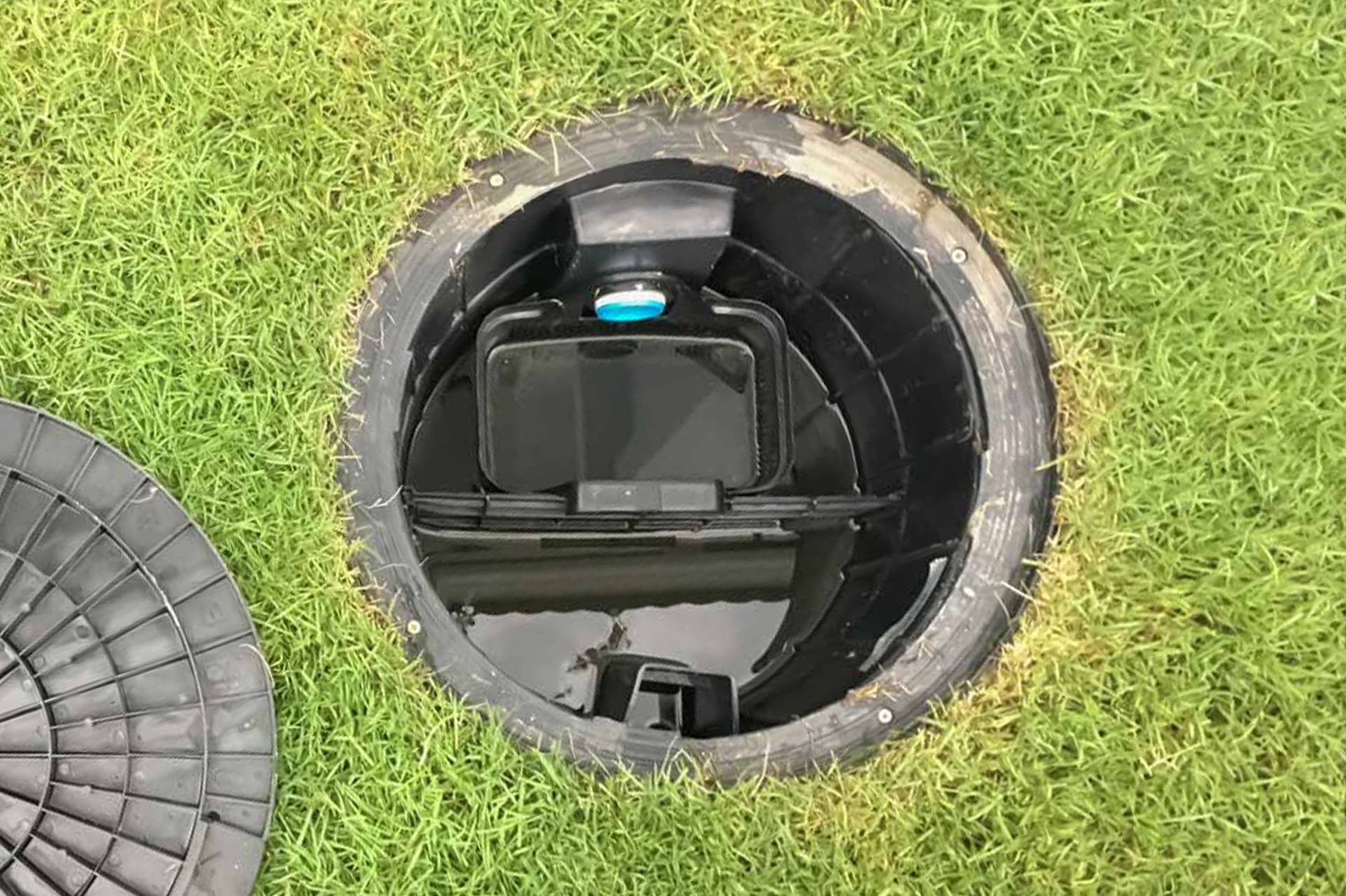
Owning a septic tank comes with responsibilities — but with the right habits, your system can last 20–40 years or more . Ignoring proper septic care, however, can lead to sewage backups, drain field failure, and expensive repairs. In this SEO-optimized guide, we’ll break down the essential do’s and don’ts of owning a septic tank so you can protect your home, health, and investment. ____________________ How a Septic System Works Before diving into best practices, it helps to understand the basics: Wastewater flows from your home into the septic tank. Solids settle at the bottom (sludge), and oils float to the top (scum). Liquid wastewater flows into the drain field. Soil naturally filters and treats the water. When maintained properly, this system works quietly and efficiently underground. ____________________ Septic Tank Do’s 👍 1. Do Pump Your Tank Regularly Pump every 3–5 years (or as recommended) Larger households may need more frequent service Routine pumping prevents solids from overflowing into the drain field. ____________________ 2. Do Schedule Regular Inspections Have your septic system inspected every 1–3 years to check: Sludge levels Tank integrity Filters and baffles Pump operation (if applicable) Early detection prevents major damage. ____________________ 3. Do Conserve Water Excess water overwhelms your septic system. Smart habits include: Fixing leaks promptly Spreading out laundry loads Installing high-efficiency toilets Taking shorter showers Water conservation extends drain field life. ____________________ 4. Do Protect the Drain Field Your drain field is critical to system function. Keep vehicles and heavy equipment off it Plant only grass above it Keep trees and deep roots away Direct rainwater runoff away from the area Compacted soil can permanently damage your system. ____________________ 5. Do Use Septic-Safe Products Only flush: Human waste Toilet paper Use septic-safe cleaning products in moderation to preserve beneficial bacteria. ____________________ Septic Tank Don’ts 👎 1. Don’t Flush Non-Biodegradable Items Never flush: Wipes (even “flushable” ones) Feminine hygiene products Paper towels Dental floss Cotton swabs Diapers Your toilet is not a trash can. ____________________ 2. Don’t Pour Grease Down the Drain Grease and cooking oil: Solidify in pipes Disrupt bacterial breakdown Cause blockages Dispose of grease in the trash instead. ____________________ 3. Don’t Use Excessive Chemicals Harsh cleaners, bleach, and drain chemicals can: Kill beneficial bacteria Reduce system efficiency Disrupt waste breakdown Use cleaning products sparingly and avoid antibacterial overuse. ____________________ 4. Don’t Ignore Warning Signs If you notice: Slow drains Gurgling pipes Foul odors Standing water in the yard Sewage backups Call a septic professional immediately. Waiting can turn a small issue into a major repair. ____________________ 5. Don’t Drive or Build Over the Septic Tank Avoid: Parking vehicles on the tank or drain field Installing patios or sheds over the system Adding heavy landscaping features Weight can crack tanks and compact soil. ____________________ Common Septic Tank Mistakes Homeowners Make Skipping regular pumping Flushing wipes Hosting large gatherings without reducing water use Ignoring minor plumbing issues Assuming additives replace maintenance Septic additives do not eliminate the need for pumping. ____________________ How Long Should a Septic System Last? With proper care: Tanks: 20–40 years Drain fields: 15–25 years Neglected systems can fail in as little as 10–15 years. Routine maintenance is the key to longevity. ____________________ Septic Maintenance Checklist ✔ Pump every 3–5 years ✔ Inspect every 1–3 years ✔ Use water efficiently ✔ Keep heavy equipment off drain field ✔ Avoid flushing harmful items ✔ Address issues immediately Following these do’s and don’ts keeps your septic system working properly for decades. ____________________ Final Thoughts Owning a septic tank isn’t complicated — but it does require responsibility. The good news? Most septic failures are preventable with simple habits and routine maintenance. By following these septic tank do’s and don’ts, you can: Prevent sewage backups Avoid costly repairs Extend the life of your system Protect your property value If it’s been more than three years since your last septic service, now is the perfect time to schedule an inspection and stay ahead of potential problems. Contact the Ability Septic team at (630) 739-6907 get you on the schedule.
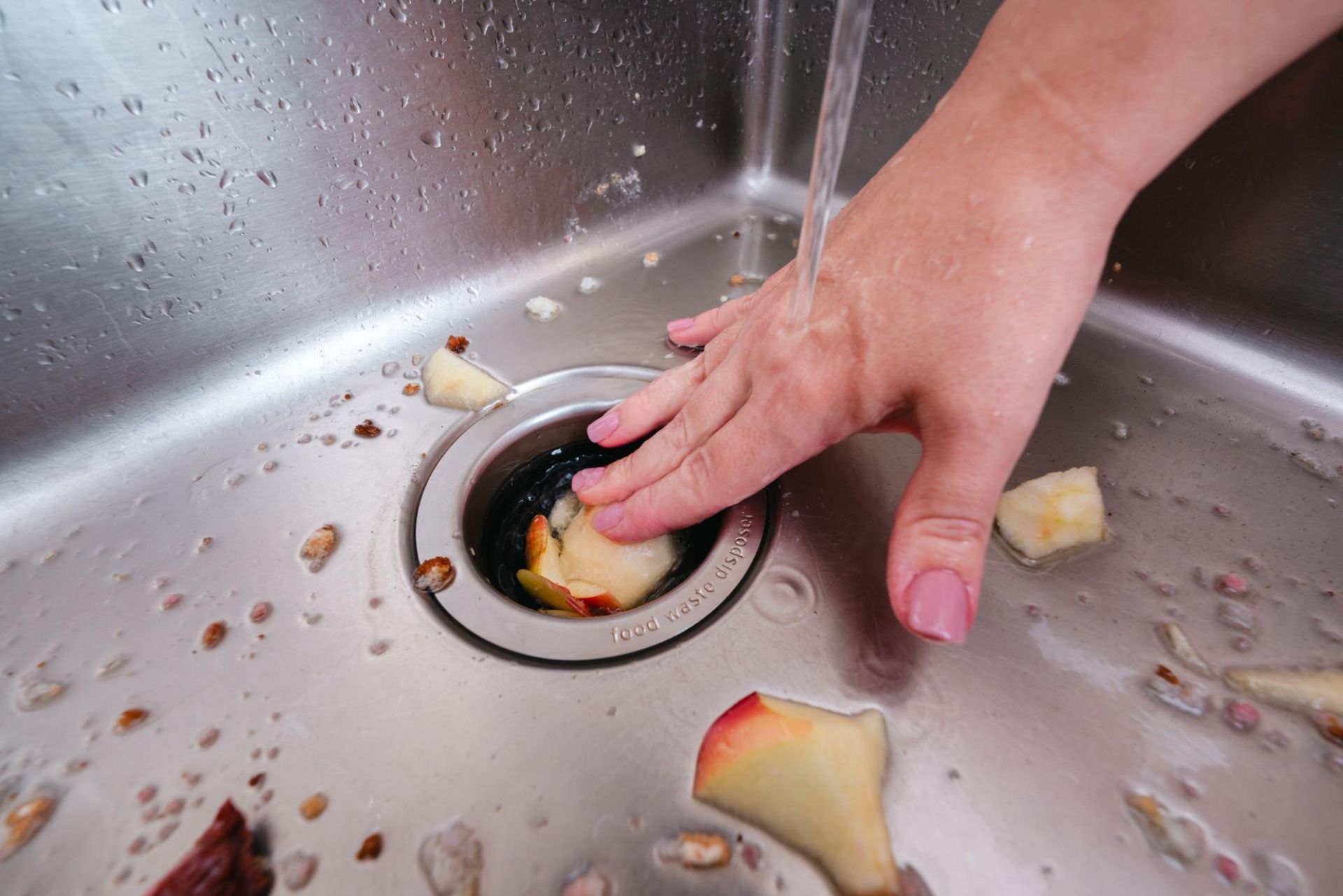
If you have a septic system, you’ve probably wondered: Can I safely use my garbage disposal? The short answer is yes—but with caution . While garbage disposals are convenient, they can significantly impact the health and lifespan of your septic system if not used properly. Let’s break down what every homeowner should know. ____________________ How a Garbage Disposal Affects Your Septic System A garbage disposal grinds food waste into small particles and sends it down your drain. In homes connected to municipal sewer systems, this isn’t a major concern—but with a septic system, it’s a different story. Your septic tank is designed to separate waste into three layers: Scum (top layer) – oils and grease Effluent (middle layer) – liquid wastewater Sludge (bottom layer) – solid waste Adding food waste from a disposal: Increases the solid load in your tank Causes sludge to build up faster Requires more frequent pumping Can lead to clogs or system overload ____________________ Pros of Using a Garbage Disposal with a Septic Tank Using a garbage disposal isn’t all bad—there are some benefits when used sparingly: Convenience for small food scraps Reduces trash and odors in your kitchen Can be safe if your system is properly maintained ____________________ Cons You Need to Consider Here’s where problems often begin: Faster tank fill-up → more frequent pumping (sometimes yearly) Increased risk of clogs in pipes and drain field Disruption of natural bacteria that break down waste Grease and fibrous foods can damage your system ____________________ What NOT to Put Down the Disposal (Especially with Septic Systems) Avoid putting these down your garbage disposal at all costs: Grease, fats, and oils Coffee grounds Eggshells Pasta, rice, and starchy foods Fibrous vegetables (celery, corn husks) Bones or large food scraps These items don’t break down easily and can quickly overwhelm your septic tank. ____________________ Best Practices for Using a Garbage Disposal with a Septic Tank If you choose to use one, follow these tips to protect your system: 1. Use It Sparingly Think of your disposal as a backup—not a primary waste solution. 2. Run Plenty of Water Always flush waste with cold water to help move solids through the system. 3. Schedule Regular Pumping Homes using disposals may need pumping every 1–2 years instead of 3–5. 4. Maintain Healthy Bacteria Avoid harsh chemicals that kill beneficial bacteria in your tank. 5. Compost When Possible Composting food waste is a septic-friendly alternative. ____________________ Should You Avoid Garbage Disposals Altogether? For many septic system owners, the safest answer is: limit or avoid using one if possible. While modern septic systems can handle some additional load, long-term use of a garbage disposal often leads to: Higher maintenance costs Increased risk of system failure Shorter lifespan of your septic system ____________________ Final Thoughts: Convenience vs. Cost Using a garbage disposal with a septic tank is a trade-off. It offers convenience in the short term—but can lead to expensive repairs if overused. Bottom line: ✔ Occasional use is okay ❌ Daily use is risky If you want to protect your septic system, reduce usage, stay on top of maintenance, and be mindful of what goes down your drain. If you’re unsure whether your system can handle a garbage disposal—or it’s been a while since your last inspection—now is the time to act. Preventative maintenance today can save thousands in repairs tomorrow. Contact our experienced team at (630) 739-6907 for all your septic system needs.