September 9, 2026
Understanding what to expect during a routine septic service appointment eliminates uncertainty and ensures your property is prepared. On-site wastewater treatment systems require consistent maintenance to function efficiently over their lifespan. According to the EPA, 10-18% of septic systems are failing in the US. This statistic underscores why regular maintenance and professional septic tank pumping are essential for every property owner. Knowing how a service call unfolds allows you to plan ahead, communicate effectively with technicians, and protect your home's infrastructure against costly failures.
Preparing for the Septic Tank Pumping
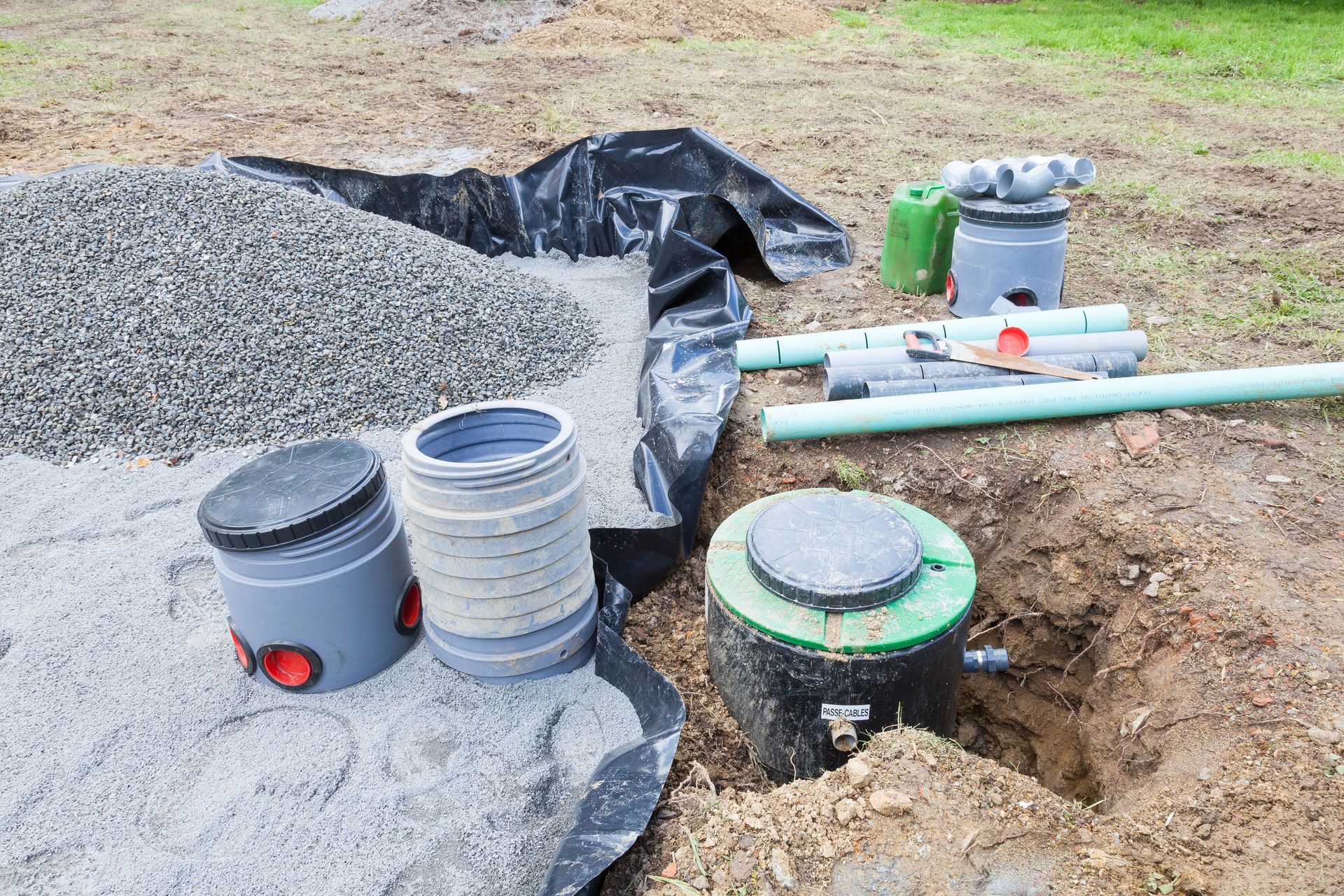
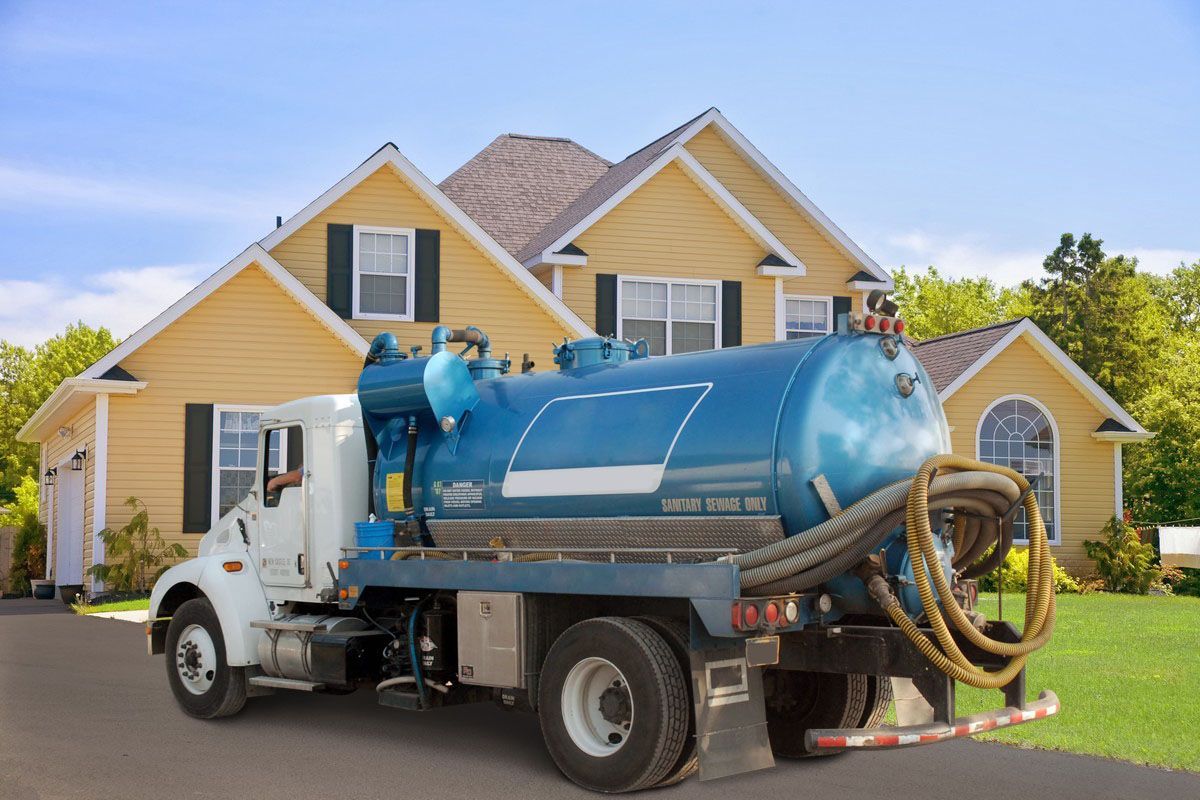
Site accessibility is the first factor to evaluate before a service crew arrives. Confirming that a commercial pump truck can maneuver onto your property is vital for a successful appointment. Clear driveways, unlock gates, and move obstacles such as vehicles, lawn ornaments, outdoor furniture, or low-hanging tree branches. Establishing an unobstructed path allows technicians to park as close as possible to the underground tank, maximizing vacuum efficiency and preventing property damage.
Gathering historical documentation before the crew arrives is another essential step. Assembling system diagrams, property surveys, and previous maintenance records gives technicians immediate insight into your system's capacity, age, and repair history. Having these documents ready saves time during setup, prevents unnecessary digging across your lawn, and helps the service team identify recurring issues that require attention.
Informing all household members about the scheduled appointment minimizes operational disruptions and protects ongoing work. Instruct family members and tenants to refrain from running water during the service window. Running washing machines, dishwashers, or showers while technicians are actively working causes wastewater to surge through inlet pipes, complicating the evacuation process and placing unnecessary stress on the system.
The Arrival and Setup of Equipment
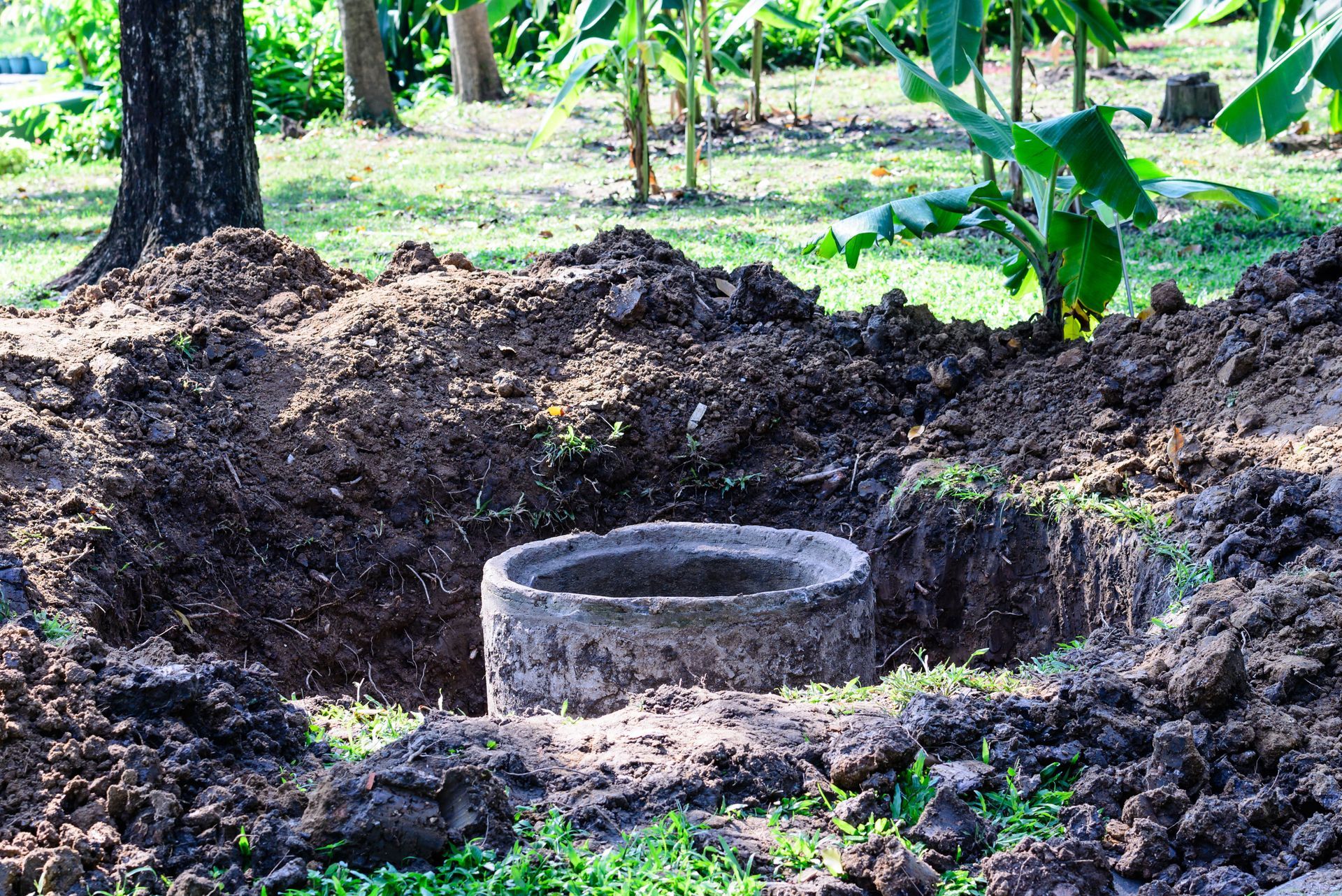
Upon arriving at your property, the primary task for the septic tank pumping team is verifying the location of the underground tank. While many property owners know the general region, pinpointing the precise access ports is essential. Technicians use property schematics, metal probing rods, or ground-penetrating locators to trace main sewer lines, quickly discovering buried access risers while minimizing lawn disruption.
Once access points are identified, the crew strategically positions the pump truck. Proper vehicle placement balances proximity to the buried tank with safety considerations for your driveway and lawn. Parking as close as safely possible minimizes the length of vacuum hose required, which maintains maximum suction pressure during extraction. Technicians evaluate ground stability before setting vehicle brakes, ensuring equipment stays secure throughout the appointment.
With the truck stationed, technicians unfurl suction hoses and arrange diagnostic tools near the access ports. Hoses are laid out smoothly without sharp bends or kinks that could impede wastewater flow. Technicians simultaneously organize inspection lights, mechanical stirring tools, and high-pressure washing gear nearby. Methodical tool organization allows the team to transition seamlessly between waste extraction, diagnostic checks, and system flushing.
Inspection and Assessment of the Septic Tank
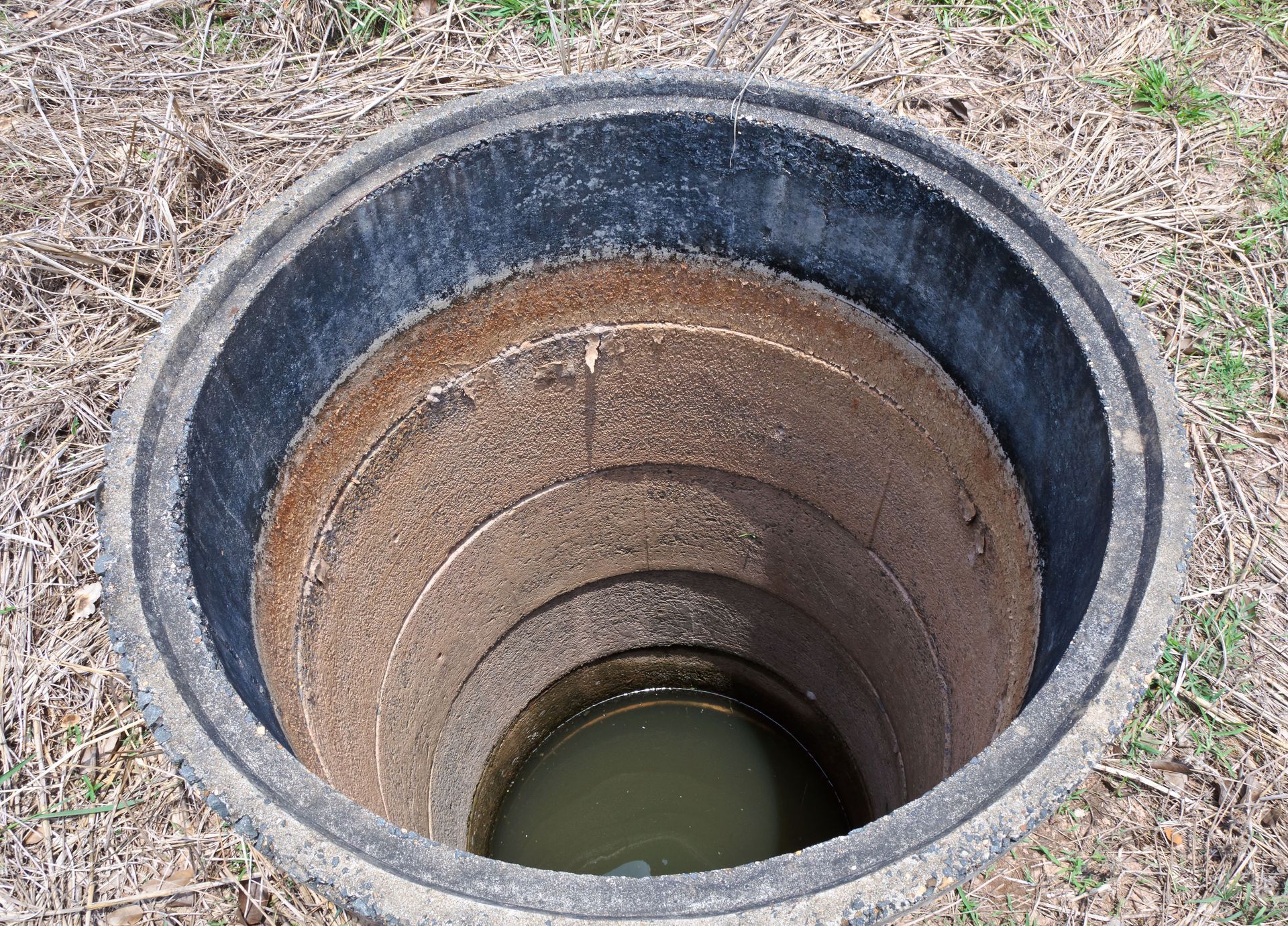
With safety protocols established and equipment positioned, technicians use specialized tools to lift the access lids. Opening these heavy covers requires precision to prevent concrete cracking or allow debris to fall into the chamber. Once removed, technicians inspect the condition of risers, access covers, and sealing gaskets, checking for signs of structural cracking, root intrusion, or severe chemical corrosion caused by sewer gases.
Immediately after opening the access ports, technicians perform a visual assessment of the internal liquid layers. A healthy system naturally separates incoming wastewater into three distinct layers: a floating top scum layer of grease and light solids, a clear middle liquid effluent zone, and a dense bottom sludge layer of settled organic waste. Evaluating the thickness and proportion of these internal layers provides technicians with invaluable clues regarding your system's overall health and recent waste load.
Technicians measure the exact accumulation levels of both the floating scum and settled sludge layers using calibrated measuring tools. Determining these liquid ratios helps establish whether your current septic tank pumping schedule is adequate or if your household requires more frequent maintenance. Accurately tracking sludge accumulation over time prevents solid waste from rising high enough to overflow into the delicate absorption field.
The Extraction and Cleaning Process
Active waste extraction begins by inserting heavy-duty suction hoses into the liquid holding chamber. High-powered vacuum pumps mounted to the service truck create intense negative pressure, pulling liquid effluent, floating scum, and heavy bottom sludge out of the buried vessel and into the truck’s sealed holding tank. Technicians carefully maneuver the suction hose through both internal compartments of the tank, ensuring every gallon of accumulated waste is completely removed.
To guarantee a thorough clean, technicians utilize backwashing techniques and mechanical agitation tools to break up dense sludge at the bottom of the chamber. Concentrated waste solids frequently settle into thick layers that cannot be removed by basic liquid suction alone. By mixing liquid back into the tank under high pressure or manually stirring the bottom layers with specialized mixing wands, technicians liquefy hardened waste deposits so they can be completely evacuated by the vacuum hose.
Thoroughly cleaning the interior tank walls and structural baffles is the next essential phase of the extraction process. Technicians use high-pressure water jets to blast away stubborn grease buildup, biological film, and residual scum clinging to concrete or fiberglass surfaces. Deep cleaning these interior surfaces ensures all waste solids are thoroughly removed and provides technicians with a clear view of the bare structural walls for final diagnostic checks.
Clearing minor blockages within the inlet and outlet pipes is routinely performed during the extraction process. Technicians inspect the pipe openings where household wastewater enters and exits the tank, using water pressure or specialized snakes to dislodge trapped grease, paper accumulation, or minor root intrusions. Ensuring these critical pipe connections remain open guarantees smooth wastewater flow from your home once the service call is complete.
Post-Pumping Procedures and Wrap-Up
With extraction complete, technicians inspect and replace the heavy access lids. Covers are secured tightly using heavy-duty bolts or physical seals to prevent sewer gas leaks and unauthorized entry. Ensuring that access lids are properly sealed and flush with ground risers protects your property against accidental falls while keeping surface groundwater from seeping into the freshly pumped tank during heavy rainstorms.
Systematically cleaning all tools, suction hoses, and safety equipment before packing them onto the pump truck is standard operating procedure. Technicians sanitize hose ends, wash down access areas, and carefully roll equipment back onto storage reels to prevent dripping waste across your lawn or driveway. Restoring your property to a clean state demonstrates professional respect for your home and ensures a sanitary post-service environment.
Providing property owners with tailored maintenance advice and future care recommendations is an integral part of the service wrap-up. Technicians offer guidance regarding proper water conservation habits, safe household cleaning products, and items to keep out of household drains, such as wipes, grease, and harsh chemicals. They will also recommend an optimal schedule for your next septic tank pumping appointment based on your household size, tank volume, and daily water usage habits.
Maintaining a healthy residential wastewater system requires consistent professional oversight, clear communication, and timely maintenance routines. Understanding every phase of a service visit—from initial site preparation and equipment positioning to complete waste extraction and final structural reporting—empowers property owners to take an active role in preserving their home’s infrastructure. By staying proactive with your maintenance schedule, you avoid catastrophic drain field failures, protect local groundwater quality, and ensure long-term operational efficiency for your entire household. When you are ready to schedule your next professional septic tank pumping appointment, trust the experienced specialists at Ability Septic to deliver thorough, reliable service for your property.