November 10, 2026
Maintaining a septic system is a crucial aspect of homeownership, yet it often goes unnoticed until problems arise. A functioning septic system is essential for health and environmental safety, as it processes and disposes of household wastewater. Recognizing the early signs of septic system issues can help prevent costly repairs and hazardous health conditions. Whether it's slow drains, pooling water, or unpleasant odors, each symptom is an indicator of potential underlying problems. By understanding and acting upon these signs, homeowners can ensure their septic systems remain in optimal working condition.
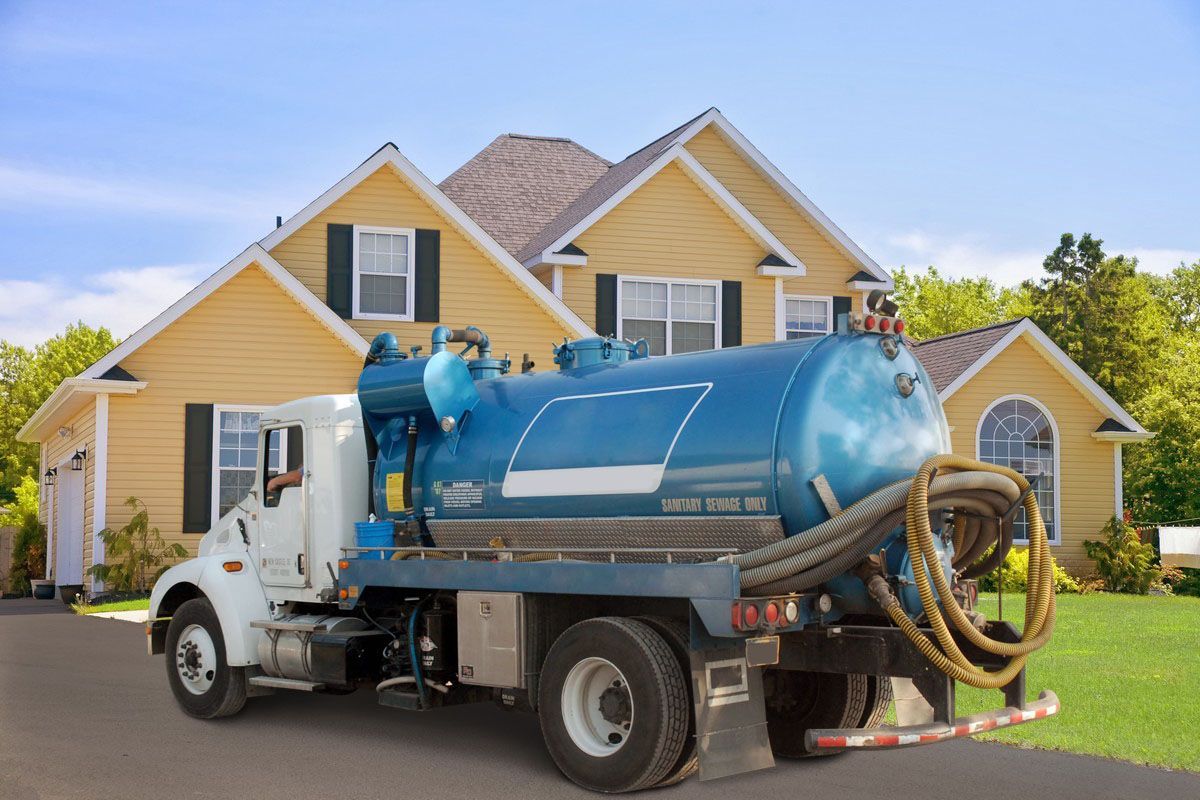
Failing to address septic system issues promptly could lead to catastrophic failures, impacting not just the homeowner but also the surrounding environment. For instance, sewage backups can lead to property damage and health risks, necessitating immediate attention. A proactive approach involves regular inspections and being vigilant about recognizing warning signs. In this article, we will delve into specific indicators that suggest a need for professional septic system cleaning services. Understanding these signs not only helps in maintaining system efficiency but also extends the lifespan of the septic tank itself.
Septic systems can generally last between 15 and 40 years, according to This Old House, depending on factors such as the materials used, maintenance practices, and soil conditions. By identifying warning signs early, homeowners can potentially extend the life of their systems and avoid unnecessary expenses. This article will guide you through common symptoms of septic system woes and offer insights on when it's time to call in the professionals. By staying informed and vigilant, you can safeguard both your property and health.
1. Slow Drains
Slow drains are often the first sign that your septic system may require attention. When water takes longer to drain from sinks, bathtubs, or toilets, it could indicate an impending blockage in the system. Homeowners might notice everyday tasks, such as washing dishes or showering, becoming time-consuming due to sluggish water drainage. Such inefficiencies suggest that the septic system's capacity may be compromised, necessitating investigative steps. Slow drainage, while seemingly minor, can point to significant underlying issues within the septic infrastructure.
The causes of slow drains can vary from build-ups of grease and hair to deteriorating pipes or septic tank issues. Over time, these substances can accumulate and restrict the flow of wastewater, complicating the normal processing cycle of the system. Older systems or those not regularly maintained are particularly susceptible to such blockages. Contributing to the problem can be non-biodegradable materials improperly flushed down toilets or drains. It is vital to consider all potential causes when addressing slow drainage to avoid further complications.
Addressing slow drains involves an initial troubleshooting process to determine the root of the problem. Simple methods like using a plunger or a plumber's snake might resolve minor blockages and restore drain flow. However, when these steps fail, the problem may be more systemic, requiring professional intervention. If slow drains persist despite basic maintenance efforts, it may be time for a septic system inspection. A professional can assess the entire system, identifying and rectifying issues that threaten functionality and septic health.
2. Sewage Backup
Sewage backup is a severe symptom signaling potential septic system failure. It occurs when wastewater flows back into the home, often manifesting in unpleasant and unsanitary ways. Homeowners may encounter water pooling around drain openings or even in their basements, indicating a malfunction within the system. A sewage backup is not only disruptive but poses serious health risks due to the potential exposure to harmful bacteria. Such occurrences require immediate attention and action to prevent property damage and ecological harm.
Immediate steps must be taken upon noticing a sewage backup to mitigate damage and health hazards. Isolating the affected area is crucial to preventing the spread of contaminants. Discontinue use of all water fixtures to limit additional wastewater flow. Promptly contacting a professional septic service is critical to diagnosing the issue and initiating remediation efforts. The longer a sewage backup is left unaddressed, the greater the risk of long-term damage and escalating repair costs.
The impact of a sewage backup extends beyond immediate discomfort and inconvenience, potentially resulting in extensive property damage. Over time, unaddressed backups can undermine structural integrity, degrade quality of life, and pose relentless health threats. Differentiating between minor and major backups is key to understanding the necessity and scope of professional intervention. While minor setbacks may be swiftly managed, significant cases often require comprehensive septic system cleaning and repair efforts. Professionals employ specialized equipment and techniques to address such profound septic system failures effectively.
3. Unpleasant Odors
Detecting unpleasant odors emanating from your plumbing or outdoor areas is often a clear sign of septic system complications. These odors may result from gases like methane or hydrogen sulfide escaping from the system, indicating improper containment. Homeowners might notice a rotten egg smell or other pungent aromas, particularly near the drainfield or within the residence. Such olfactory evidence suggests an imbalance in the septic system's biological processes. Odors not only bring discomfort but can signify deeper operational issues requiring immediate investigation.
The presence of foul smells often indicates that the septic system isn't effectively breaking down waste matter. A properly functioning system will trap odors and gases, preventing them from being detected. Should odors persistently emerge, it may be as a result of clogs, overfilled tanks, or even damaged vents. These factors can interfere with normal operations, allowing gases to escape and permeate their surroundings. By identifying the source of these odors, homeowners can determine whether they need septic system cleaning, repairs, or more systematic attention.
Addressing septic odors involves both temporary and long-term solutions, each vital in restoring residential comfort. Initially, homeowners can try temporary odor-mitigation techniques, like ventilating areas or avoiding certain chemical cleaners that disrupt the system. More persistent or recurrent odor issues necessitate professional inspections to uncover potential underlying failures. Experts assess the health of the entire system, recommending septic system cleaning services, repairs, or adjustments. Furthermore, implementing regular maintenance practices can prevent odor issues from resurfacing, maintaining a healthy and comfortable living environment.
4. Pooling Water in Yard
Pooling water in the yard, particularly in proximity to the septic system, can serve as a significant red flag of drainage problems. Typically, a properly functioning system will effectively disperse wastewater into the ground without visible surface accumulation. However, visible pools of water suggest that the soil's absorption capacity may be compromised, impacting the system's efficiency. These water formations can appear as puddles, mud patches, or even lush green grass spots, hinting at potential septic saturation below the surface. Recognizing such signs as indications of system failures is crucial for timely intervention.
A malfunctioning septic system could contribute to yard water pooling due to blockages or a failed drainfield. When the drainfield is overwhelmed or blocked, it prevents wastewater from being effectively absorbed and treated. Tree roots or accumulated solids can further exacerbate these issues by obstructing the flow and causing effluent to back up. Pooling water, if left unresolved, not only disrupts outdoor aesthetics but can also result in health hazards and increased maintenance costs. Understanding the environmental conditions and potential causes is key in addressing and resolving these problems promptly.
Recognizing signs that suggest a need for septic system cleaning services is crucial for maintaining a functional and safe system. Key indicators include slow drains, sewage backups, unpleasant odors, pooling water in the yard, lush grass over the drainfield, and high nitrate levels in well water. By understanding these symptoms, homeowners can take timely actions to prevent severe problems and extend the lifespan of their septic systems.
Taking swift action upon noticing these signs can significantly reduce costly repairs and mitigate health hazards. Promptly addressing issues with the help of professional evaluations and septic system cleaning services ensures that the system operates efficiently without disruptions. Regular maintenance and vigilance remain critical in safeguarding septic system health, thereby promoting environmental well-being and household comfort. If you're looking for septic system cleaning services, contact Ability Septic today.