If you own a home with a septic system, regular maintenance isn’t optional — it’s essential. One of the most common questions homeowners ask is:
How often should you service your septic system?
The short answer:
Inspect every 1–3 years and pump every 3–5 years.
The long answer depends on household size, water usage, tank size, and system type.
____________________
Why Regular Septic Service Is So Important
Your septic system works by:
- Collecting wastewater from your home
- Separating solids and liquids inside the tank
- Allowing bacteria to break down waste
- Dispersing treated water into the drain field
Without routine service, solids build up, overflow into the drain field, and can cause:
- Sewage backups
- Drain field failure
- Property damage
- Expensive system replacement
Preventative maintenance costs far less than emergency repairs.
____________________
How Often Should a Septic Tank Be Pumped?
General Rule:
Every 3–5 years
However, this varies based on:
1. Household Size
More people = more wastewater = faster buildup.
- 1–2 people: every 4–5 years
- 3–4 people: every 3–4 years
- 5+ people: every 2–3 years
2. Tank Size
Larger tanks can hold more solids before needing pumping.
3. Water Usage
Heavy laundry use, long showers, and frequent dishwasher cycles increase system strain.
____________________
How Often Should a Septic System Be Inspected?
Recommended: Every 1–3 Years
A professional inspection checks:
- Sludge and scum levels
- Tank integrity
- Baffles and filters
- Pump operation (if applicable)
- Drain field condition
Regular inspections catch small issues before they become major problems.
____________________
Special Considerations for Different Septic Systems
Aerobic Treatment Systems
Aerobic systems require
more frequent maintenance, typically:
- Inspection every 6–12 months
- Regular air pump checks
- Alarm system testing
These systems have mechanical components that require monitoring.
____________________
Homes with Garbage Disposals
Using a garbage disposal increases solid waste in the tank. If you use one regularly, you may need pumping more frequently — possibly every 2–3 years.
____________________
Signs Your Septic System Needs Immediate Service
Don’t wait for your scheduled maintenance if you notice:
- Slow drains throughout the home
- Gurgling sounds in pipes
- Foul sewage odors
- Standing water near the drain field
- Sewage backing up into toilets or tubs
These are warning signs of potential septic failure.
____________________
What Happens During Septic Service?
Professional septic servicing typically includes:
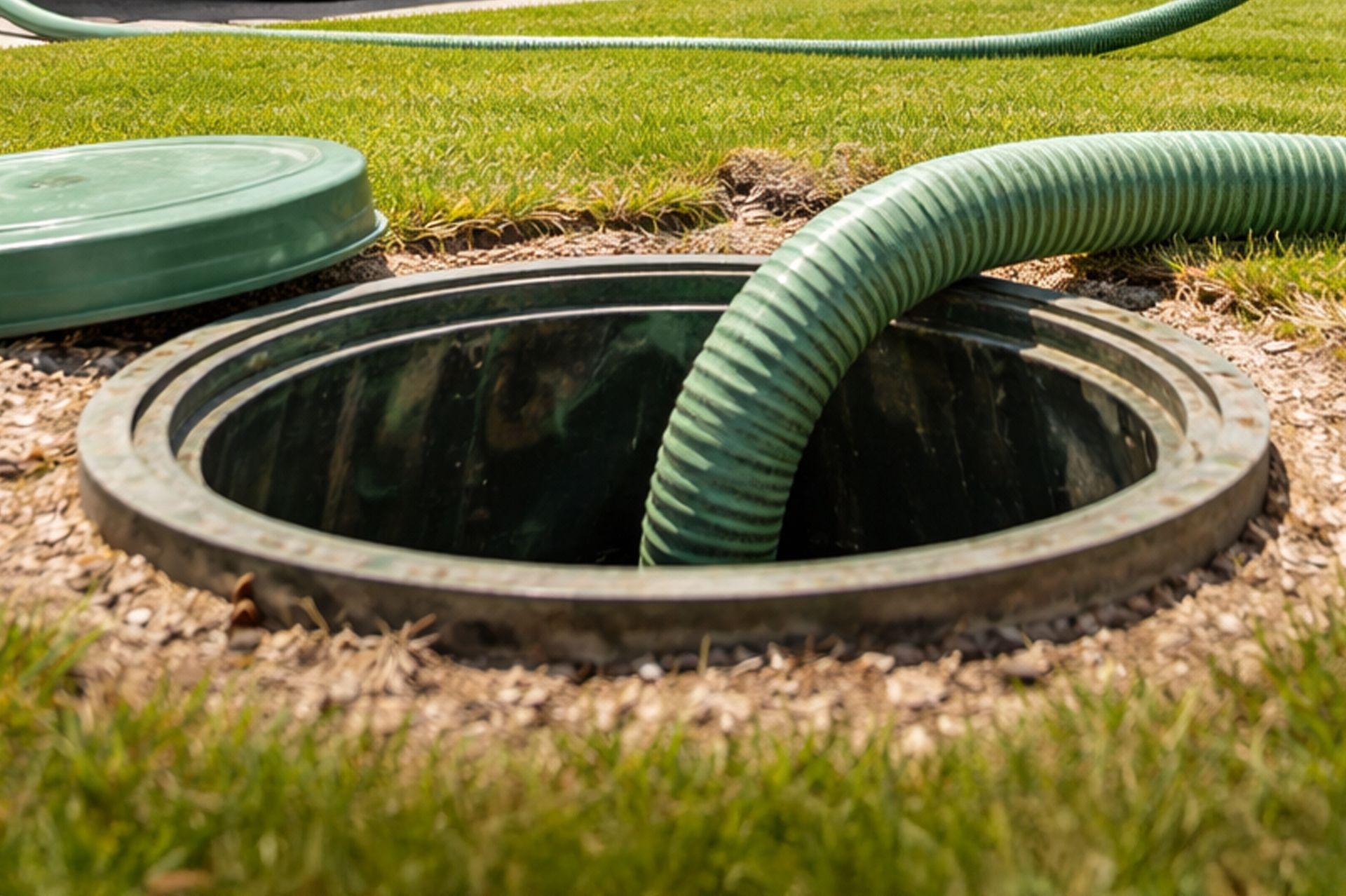
- Locating and opening the tank
- Measuring sludge and scum levels
- Pumping out accumulated solids
- Inspecting internal components
- Checking filters and baffles
- Providing maintenance recommendations
Routine pumping helps extend the life of your entire system.
____________________
What Happens If You Don’t Service Your Septic System?
Skipping maintenance can lead to:
- Clogged outlet pipes
- Drain field contamination
- Permanent soil damage
- Full system replacement (costing $8,000–$25,000+ depending on location)
Neglected systems often fail prematurely — sometimes in as little as 10–15 years instead of 25–40 years.
____________________
Septic Maintenance Tips to Extend System Life
- Pump regularly (every 3–5 years)
- Schedule inspections every 1–3 years
- Avoid flushing wipes and non-biodegradable items
- Spread out laundry loads
- Fix leaking faucets and toilets
- Avoid driving over the drain field
Small habits make a big difference.
____________________
Frequently Asked Questions
Can a septic tank last 20–40 years?
Yes — with proper maintenance and regular service.
Is septic pumping really necessary if everything seems fine?
Absolutely. By the time you notice a problem, damage may already be occurring.
Does adding septic additives replace pumping?
No. Additives do not eliminate the need for professional pumping.
____________________
Stay Ahead of Costly Repairs with Smart Septic Maintenance!
So, how often should you have your septic system serviced?
- Inspect every 1–3 years
- Pump every 3–5 years
- Service aerobic systems every 6–12 months
Routine septic maintenance protects your home, your health, and your wallet. The small investment in regular service can prevent major repairs and extend the lifespan of your system for decades.
If it’s been more than three years since your last service, now is the time to schedule an inspection.
Give the Ability Septic team a call at (630) 739-6907 for your FREE Estimate.