Who to Contact for Septic Pumping Services
May 6, 2026

May 6, 2026

Maintaining a healthy home environment involves many moving parts, but few are as critical as the management of your wastewater system. For homeowners who live outside the reach of municipal sewer lines, the responsibility of managing household waste falls entirely on the underground septic tank. While it is easy to adopt an out of sight, out of mind mentality, your system requires periodic professional intervention to function safely.


Understanding the Importance of Professional Waste Removal

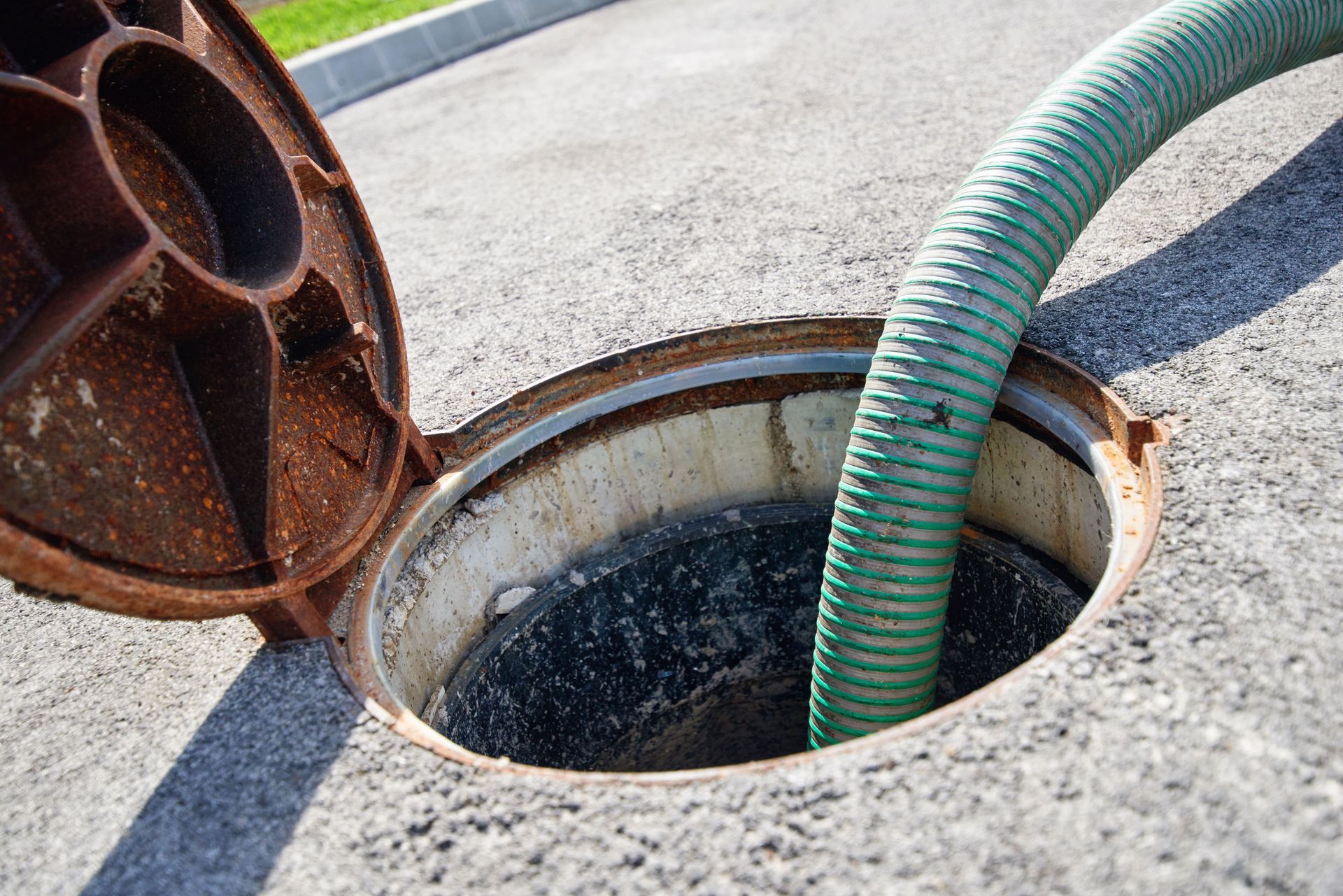
A septic tank functions by separating solids from liquids, allowing filtered water to exit into the drain field while heavier waste settles at the bottom. Over time, these solids accumulate and reduce the capacity of the tank. If this waste is not removed through regular septic pumping services, it can eventually overflow into the exit pipes or back up into your home. Professionals have the specialized vacuum equipment and disposal permits required to handle this process safely. Relying on experts ensures that the sludge is removed thoroughly and transported to an approved treatment facility, protecting both your property and the surrounding water table from contamination.


Recognizing When It Is Time to Call

While most people wait until there is a noticeable problem, your system often gives subtle hints that it is nearing capacity. Slow-draining sinks or gurgling sounds in the pipes are frequently the first indicators that the tank is getting full. You might also notice that the grass above your tank is unusually green or that the ground is spongy even when it has not rained. These signs suggest that you need to schedule septic pumping services immediately. Ignoring these warnings can lead to total system failure, which is far more complicated and expensive to address than a routine maintenance visit from a local specialist.


Understanding the Lifecycle of Your System

The durability of your underground infrastructure is a key factor in your overall home maintenance strategy. Many homeowners are surprised by how long these systems can actually last when they are treated with care. According to This Old House, typical lifespan of a septic tank is 15 to 40 years, depending on the material, maintenance practices, and soil conditions. This broad range highlights why consistent septic pumping services are so vital. By removing heavy solids that can corrode certain tank materials or clog the absorption area, you push your system toward the higher end of that lifespan, maximizing your investment and avoiding premature replacement costs.


Understanding Why Expertise Matters for Inspections

When you contact a company for septic pumping services, you are getting more than just a waste removal team; you are getting a professional inspection. A trained technician can identify small cracks in the tank or issues with the baffles that a layperson would never notice. They evaluate the levels of scum and sludge to give you an accurate picture of how your household usage is affecting the system. This diagnostic aspect of the service is invaluable for preventing emergencies. Having an expert eye on your tank every few years allows you to catch minor structural issues before they compromise the entire wastewater process.


Protecting Your Drain Field Assets

The drain field is the most expensive part of a septic system to replace, and its health is directly tied to how well you maintain the tank. When a tank becomes too full, solids can escape the primary chamber and enter the perforated pipes of the drain field, leading to catastrophic clogs. Regular septic pumping services are the primary defense against this type of damage. By keeping the solid waste levels low, you ensure that only liquid enters the soil for filtration. Protecting the soil’s ability to absorb water is essential for the long-term functionality of your home’s plumbing and the safety of your yard.


Understanding the Impact of Household Size on Service Frequency

Not every home requires the same maintenance schedule, as the volume of waste produced varies greatly based on occupancy. A large family will naturally require more frequent septic pumping services than a single individual or a couple. Factors like high water usage from laundry or frequent use of a garbage disposal can also accelerate the rate at which solids accumulate. A professional provider can help you establish a customized schedule based on your specific lifestyle. This personalized approach ensures that you are not paying for service too often, but also never waiting so long that you risk a backup during a high-use period like a holiday or family gathering.


Handling Seasonal Challenges

Changing weather patterns can place unique stresses on your septic system. Heavy spring rains can saturate the ground, making it harder for your drain field to process liquid, while deep winter freezes can affect access to the tank lids. Scheduling your septic pumping services during moderate weather is often the most efficient choice. Professionals know how to navigate these seasonal shifts and can advise you on how to protect your system during extreme weather events. Being proactive with your maintenance means you won't have to deal with the difficulty of digging through frozen ground or flooded soil to reach your tank in an emergency.


Verifying Credentials and Insurance

When searching for a provider, it is essential to look for companies that hold the proper state licenses and insurance coverage. Dealing with wastewater involves strict environmental regulations and potential property risks. Companies that specialize in septic pumping services should be able to demonstrate their compliance with local health department standards. This professional standing gives you peace of mind that the waste is being handled legally and that your property is protected in the event of an accident. Trusting your home to a legitimate, insured business ensures that the job is done right the first time and that your records are accurate for future property sales.


Handling Long Term Value for Property Resale

If you ever plan to sell your home, your maintenance records will be one of the first things a savvy buyer or a home inspector asks to see. Providing documentation of regular septic pumping services proves that you have been a responsible steward of the property. A well-maintained system is a major selling point, whereas a neglected tank can hold up a sale or lead to significant price concessions. Keeping a clean history of professional service visits demonstrates that the system is likely to reach its full potential lifespan. It shows that the infrastructure is reliable and that the new owners won't be inheriting a hidden financial burden.


Improving Home Health and Hygiene

Beyond the structural and financial benefits, the most important reason to maintain your system is the health of your family. A failing system can release pathogens into the soil or cause wastewater to pool on the surface of your lawn. Professional septic pumping services keep these hazards contained and managed. By ensuring that your waste is processed correctly, you prevent odors from lingering around your home and keep harmful bacteria away from your living spaces. Clean, efficient waste management is a fundamental part of a healthy home, and it requires the steady hand of a professional to keep everything running behind the scenes.


Taking care of your septic system is a non-negotiable part of property ownership that requires a consistent and professional approach. From extending the life of your tank to protecting the integrity of your drain field, the benefits of staying on top of maintenance are clear. By understanding the signs of a full tank and the importance of expert inspections, you can avoid the stress and expense of a system failure. When you prioritize professional septic pumping services, you are investing in the safety, value, and longevity of your entire home. For reliable and expert care for your wastewater system, contact Ability Septic to ensure your property stays in top condition for years to come.
By 7016429343 May 4, 2026
If you own a home with a septic system, regular maintenance isn’t optional — it’s essential. One of the most common questions homeowners ask is: How often should you service your septic system? The short answer: Inspect every 1–3 years and pump every 3–5 years. The long answer depends on household size, water usage, tank size, and system type. ____________________ Why Regular Septic Service Is So Important Your septic system works by: Collecting wastewater from your home Separating solids and liquids inside the tank Allowing bacteria to break down waste Dispersing treated water into the drain field Without routine service, solids build up, overflow into the drain field, and can cause: Sewage backups Drain field failure Property damage Expensive system replacement Preventative maintenance costs far less than emergency repairs. ____________________ How Often Should a Septic Tank Be Pumped? General Rule: Every 3–5 years However, this varies based on: 1. Household Size More people = more wastewater = faster buildup. 1–2 people: every 4–5 years 3–4 people: every 3–4 years 5+ people: every 2–3 years 2. Tank Size Larger tanks can hold more solids before needing pumping. 3. Water Usage Heavy laundry use, long showers, and frequent dishwasher cycles increase system strain. ____________________ How Often Should a Septic System Be Inspected? Recommended: Every 1–3 Years A professional inspection checks: Sludge and scum levels Tank integrity Baffles and filters Pump operation (if applicable) Drain field condition Regular inspections catch small issues before they become major problems. ____________________ Special Considerations for Different Septic Systems Aerobic Treatment Systems Aerobic systems require more frequent maintenance , typically: Inspection every 6–12 months Regular air pump checks Alarm system testing These systems have mechanical components that require monitoring. ____________________ Homes with Garbage Disposals Using a garbage disposal increases solid waste in the tank. If you use one regularly, you may need pumping more frequently — possibly every 2–3 years. ____________________ Signs Your Septic System Needs Immediate Service Don’t wait for your scheduled maintenance if you notice: Slow drains throughout the home Gurgling sounds in pipes Foul sewage odors Standing water near the drain field Sewage backing up into toilets or tubs These are warning signs of potential septic failure. ____________________ What Happens During Septic Service? Professional septic servicing typically includes: Locating and opening the tank Measuring sludge and scum levels Pumping out accumulated solids Inspecting internal components Checking filters and baffles Providing maintenance recommendations Routine pumping helps extend the life of your entire system. ____________________ What Happens If You Don’t Service Your Septic System? Skipping maintenance can lead to: Clogged outlet pipes Drain field contamination Permanent soil damage Full system replacement (costing $8,000–$25,000+ depending on location) Neglected systems often fail prematurely — sometimes in as little as 10–15 years instead of 25–40 years. ____________________ Septic Maintenance Tips to Extend System Life Pump regularly (every 3–5 years) Schedule inspections every 1–3 years Avoid flushing wipes and non-biodegradable items Spread out laundry loads Fix leaking faucets and toilets Avoid driving over the drain field Small habits make a big difference. ____________________ Frequently Asked Questions Can a septic tank last 20–40 years? Yes — with proper maintenance and regular service. Is septic pumping really necessary if everything seems fine? Absolutely. By the time you notice a problem, damage may already be occurring. Does adding septic additives replace pumping? No. Additives do not eliminate the need for professional pumping. ____________________ Stay Ahead of Costly Repairs with Smart Septic Maintenance! So, how often should you have your septic system serviced? Inspect every 1–3 years Pump every 3–5 years Service aerobic systems every 6–12 months Routine septic maintenance protects your home, your health, and your wallet. The small investment in regular service can prevent major repairs and extend the lifespan of your system for decades. If it’s been more than three years since your last service, now is the time to schedule an inspection. Give the Ability Septic team a call at (630) 739-6907 for your FREE Estimate.
By 7016429343 April 20, 2026
If your home uses a septic system, what you flush matters — a lot. Unlike municipal sewer systems, septic tanks rely on natural bacteria to break down waste. Flushing the wrong items can clog pipes, kill beneficial bacteria, damage your drain field, and even cause full septic system failure. In this guide, we’ll cover the top items you should never flush with a septic tank , why they’re harmful, and what you should do instead. Why Being “Septic-Safe” Matters A septic system works by: Separating solids from liquids in the tank Allowing bacteria to break down organic waste Dispersing treated wastewater into the drain field When non-biodegradable or harmful items enter the system, they can: Cause blockages Kill essential bacteria Fill the tank prematurely Lead to sewage backups Result in costly repairs or replacement Proper septic care protects your home, property value, and groundwater. 1. “Flushable” Wipes Despite the label, most flushable wipes do not break down like toilet paper. They can: Clog pipes Block pumps Accumulate in the septic tank Contribute to drain field failure Septic-safe rule: Only flush human waste and toilet paper. 2. Feminine Hygiene Products Tampons, pads, and applicators are designed to absorb moisture and expand — which makes them extremely dangerous for septic systems. They: Do not break down Cause blockages Increase sludge buildup Always dispose of them in the trash. 3. Paper Towels & Tissues Paper towels and facial tissues are thicker and more durable than toilet paper. They: Break down slowly Contribute to tank buildup Increase pumping frequency Even if they seem soft, they’re not septic-safe. 4. Grease, Fats, and Cooking Oil While these are often poured down kitchen drains rather than flushed in toilets, they’re equally harmful. Grease: Solidifies in pipes Blocks wastewater flow Disrupts bacterial activity Dispose of cooking grease in sealed containers in the trash. 5. Harsh Chemicals & Cleaners Bleach, drain cleaners, antibacterial soaps, and strong disinfectants can: Kill beneficial septic bacteria Disrupt the natural breakdown process Reduce system efficiency Use septic-safe cleaning products in moderation. 6. Medications Flushing medications introduces chemicals into your septic system and groundwater. Instead: Use pharmacy take-back programs Follow local hazardous waste disposal guidelines 7. Cat Litter Even “flushable” cat litter should never enter a septic system. It: Does not dissolve properly Adds excessive solids May contain parasites Dispose of litter in sealed trash bags. 8. Dental Floss, Hair & Cotton Swabs These small items cause big problems. They: Tangle and form clogs Accumulate in pumps Do not biodegrade Throw them in the trash — never the toilet. 9. Diapers & Baby Wipes Diapers are designed to absorb liquid and expand — exactly what you don’t want inside pipes or septic tanks. They can: Block plumbing instantly Require emergency septic service Damage pumps Always dispose of diapers in the trash. 10. Coffee Grounds Coffee grounds don’t dissolve in water. They: Settle in the tank Add unnecessary solids Increase pumping frequency Compost them instead. What CAN You Flush on a Septic System? Safe to flush: Human waste Septic-safe toilet paper (used in normal amounts) That’s it. If you’re unsure about an item, assume it belongs in the trash. How Flushing the Wrong Items Damages Your Septic System Improper flushing can lead to: Slow drains Gurgling pipes Sewage backups Foul odors Standing water in your yard Premature drain field failure Repairs can cost thousands — while prevention costs nothing. How to Protect Your Septic Tank Long-Term Pump your tank every 3–5 years Schedule inspections every 1–3 years Spread out laundry loads Avoid excessive water use Educate everyone in the household Septic systems are durable — but only when treated properly. Flush Right, Save Big: Avoid Costly Septic Repairs! When you have a septic tank, your toilet is not a trash can. Flushing the wrong items is one of the leading causes of septic system failure. Stick to flushing only toilet paper and human waste, schedule routine maintenance, and your septic system can last 20–40 years or more. If you’re experiencing slow drains or suspect septic issues, contact a licensed septic professional like Ability Septic before a small mistake turns into a major repair. Contact our experienced team today and we'll take care of the rest.
septic tank repairs
April 9, 2026
Protect your septic system with reliable septic tank repairs. Learn warning signs, compare providers, and choose experienced professionals for lasting results.
Show More →