Buying or selling a home is already a big process—but when a
septic system is involved, there are a few extra steps you don’t want to overlook.
Whether you’re a homeowner preparing to sell or a buyer doing due diligence, understanding how septic systems work (and what can go wrong) can save you time, money, and major headaches.
____________________
What Is a Septic System and Why It Matters
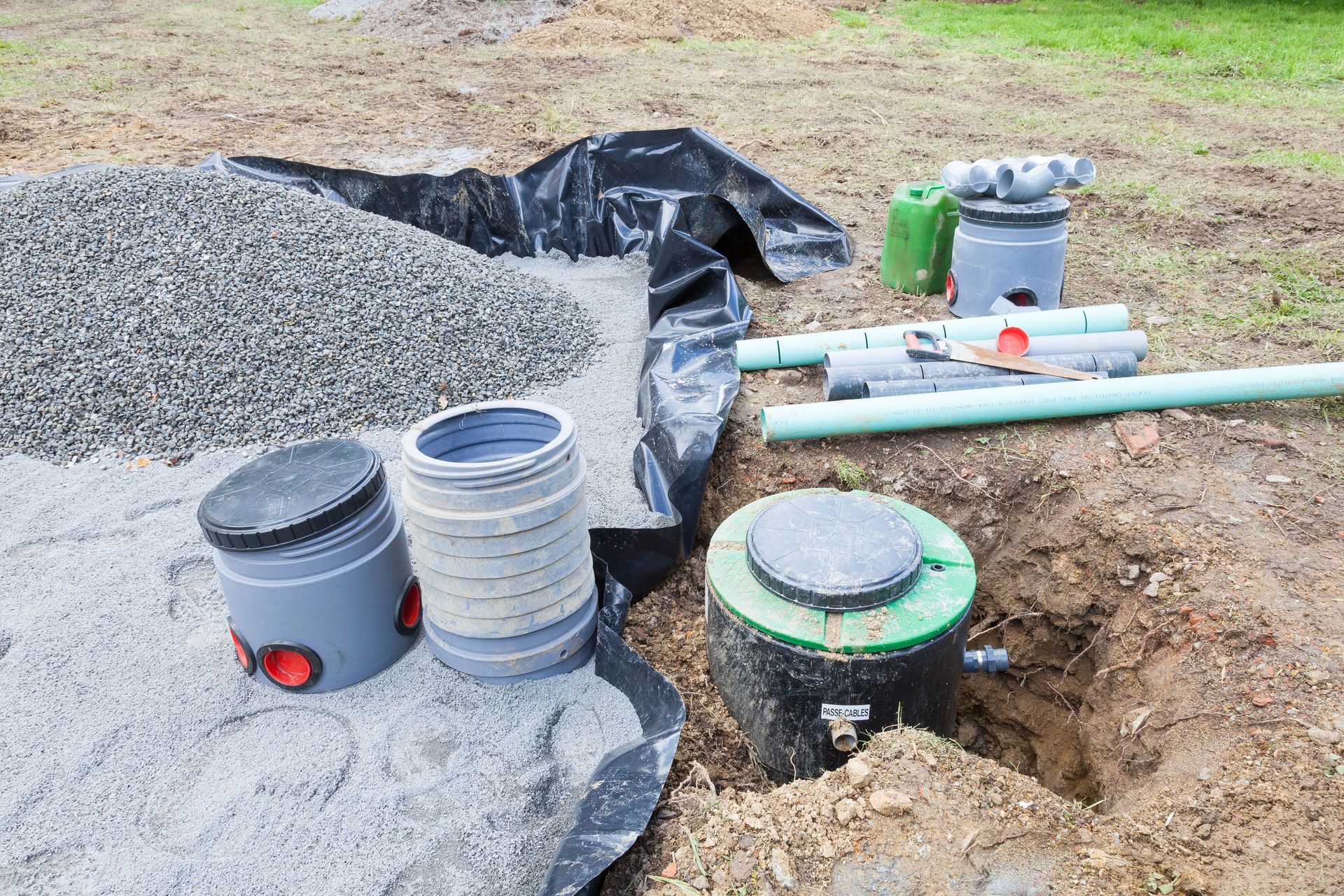
A septic system is an underground wastewater treatment system commonly used in homes without access to municipal sewer lines. It typically includes:
- A
septic tank that separates solids and liquids
- A
drain field (leach field) that filters wastewater back into the soil
When functioning properly, a septic system is efficient and environmentally friendly. But when neglected, it can lead to costly repairs, property damage, and even failed real estate transactions.
____________________
For Buyers: What You Need to Check
1. Schedule a Professional Septic Inspection
Never skip a septic inspection during the home-buying process. A standard home inspection often doesn’t fully evaluate the system. Hire a septic professional to:
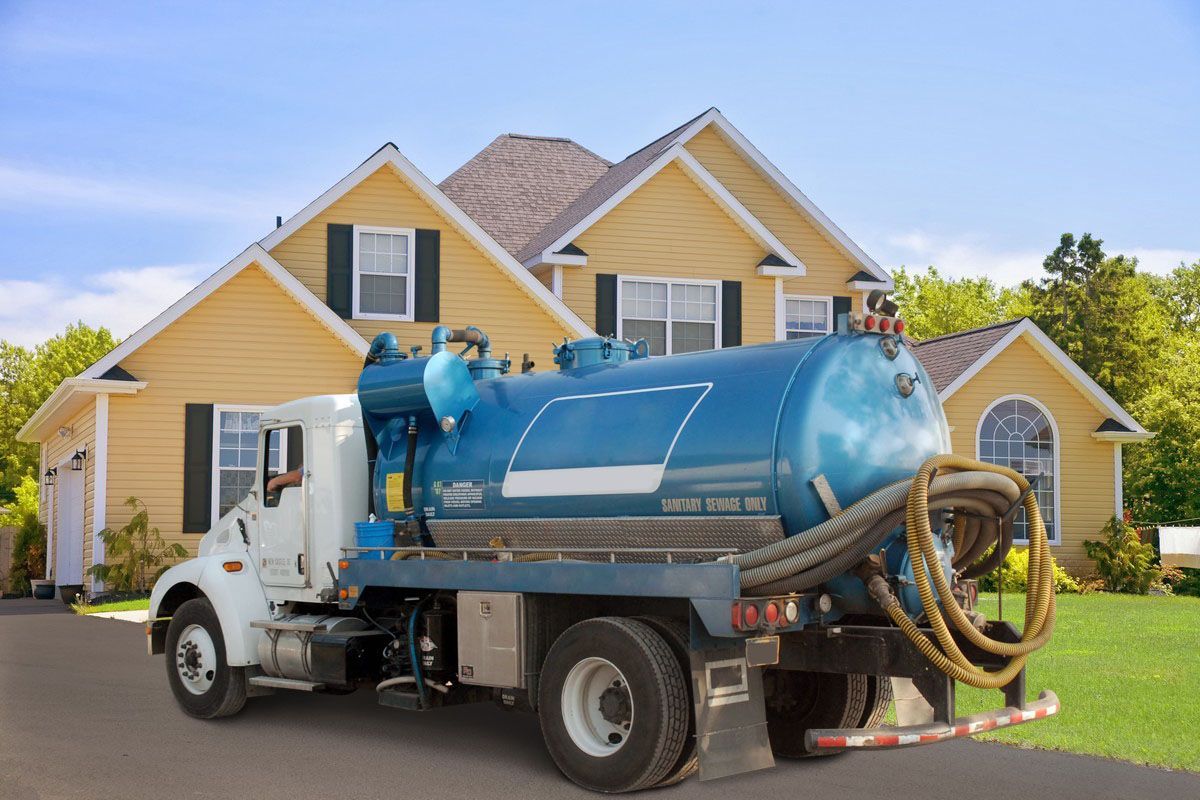
- Pump septic tank for complete inspection
- Inspect tank condition
- Measure sludge and scum levels
- Check for leaks or cracks
- Evaluate drain field performance
2. Ask About Pumping and Maintenance History
A well-maintained system is a good sign. Ask for records showing:
- Regular pumping (typically every 2–3 years)
- Any repairs or replacements
- Past inspections
- If applicable, pump age and model
No records? That’s a red flag worth investigating further.
3. Know the Age of the System
Most septic systems last 20–30 years. If the system is nearing the end of its lifespan, you may need to budget for replacement soon.
4. Understand Local Regulations
Septic requirements vary by location. Some counties require inspections or certifications before closing. Always check local health department rules to avoid surprises.
5. Watch for Warning Signs
- Slow drains or gurgling pipes
- Sewage odors inside or outside
- Wet, soggy areas in the yard
- Lush green patches over the drain field
- Brown grass is bad
These can signal system failure or costly issues.
____________________
For Sellers: How to Prepare Your Septic System
1. Get Ahead with an Inspection
Having your septic system inspected before listing your home can:
- Speed up the sale
- Build buyer confidence
- Prevent last-minute negotiations
2. Pump the Tank
A freshly pumped septic tank shows buyers that the system has been maintained and allows inspectors to better evaluate its condition.
3. Make the System Accessible
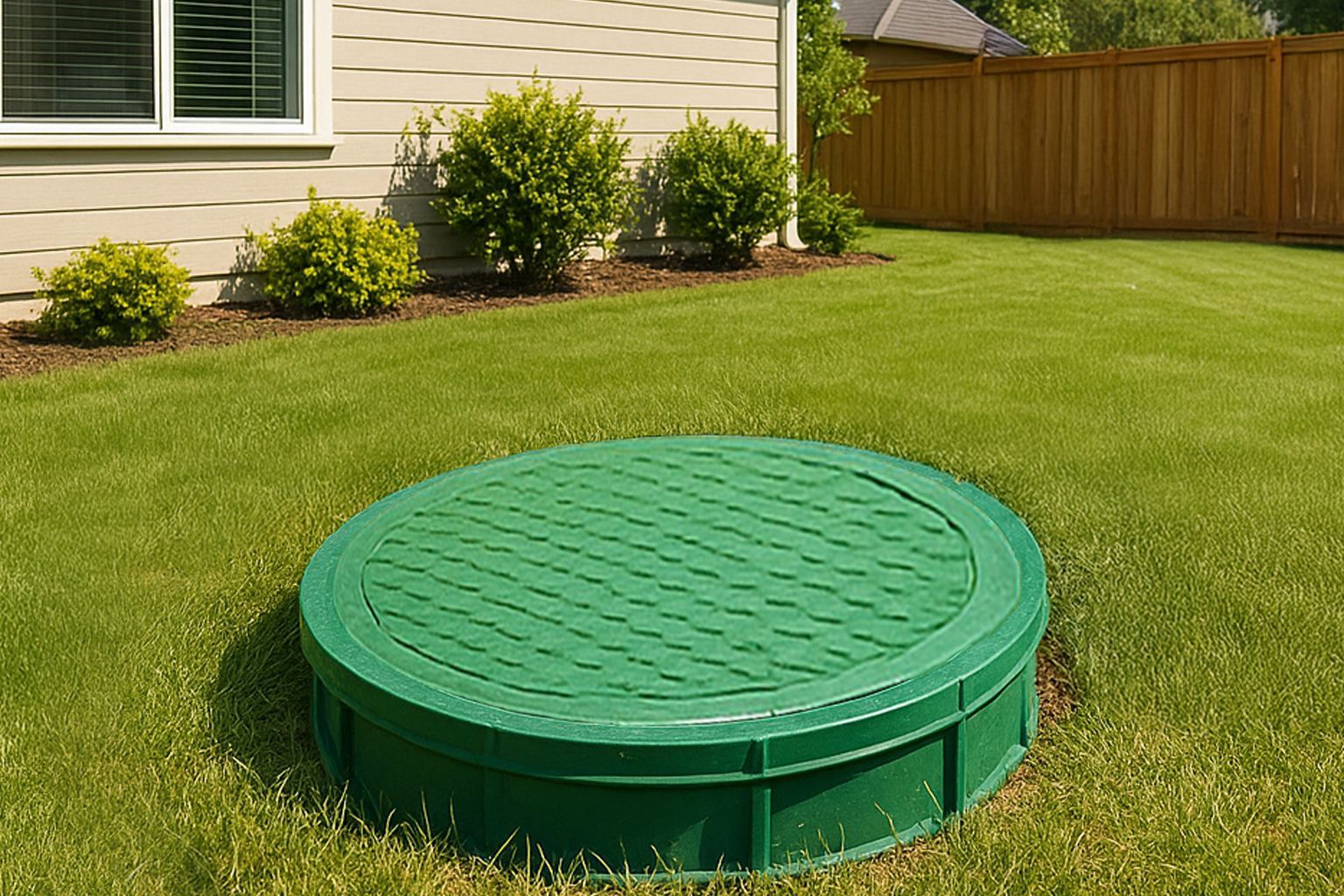
Ensure lids and risers are easy to locate and access. This helps inspectors and avoids delays.
4. Provide Documentation
Offer records of:
- Pumping history
- Repairs or upgrades
- Inspection reports
Transparency builds trust and can help justify your asking price.
5. Address Issues Early
If your system has problems, it’s usually better to fix them before listing rather than risk losing a deal or lowering your price later.
____________________
Common Septic System Deal Breakers
- Failed drain field
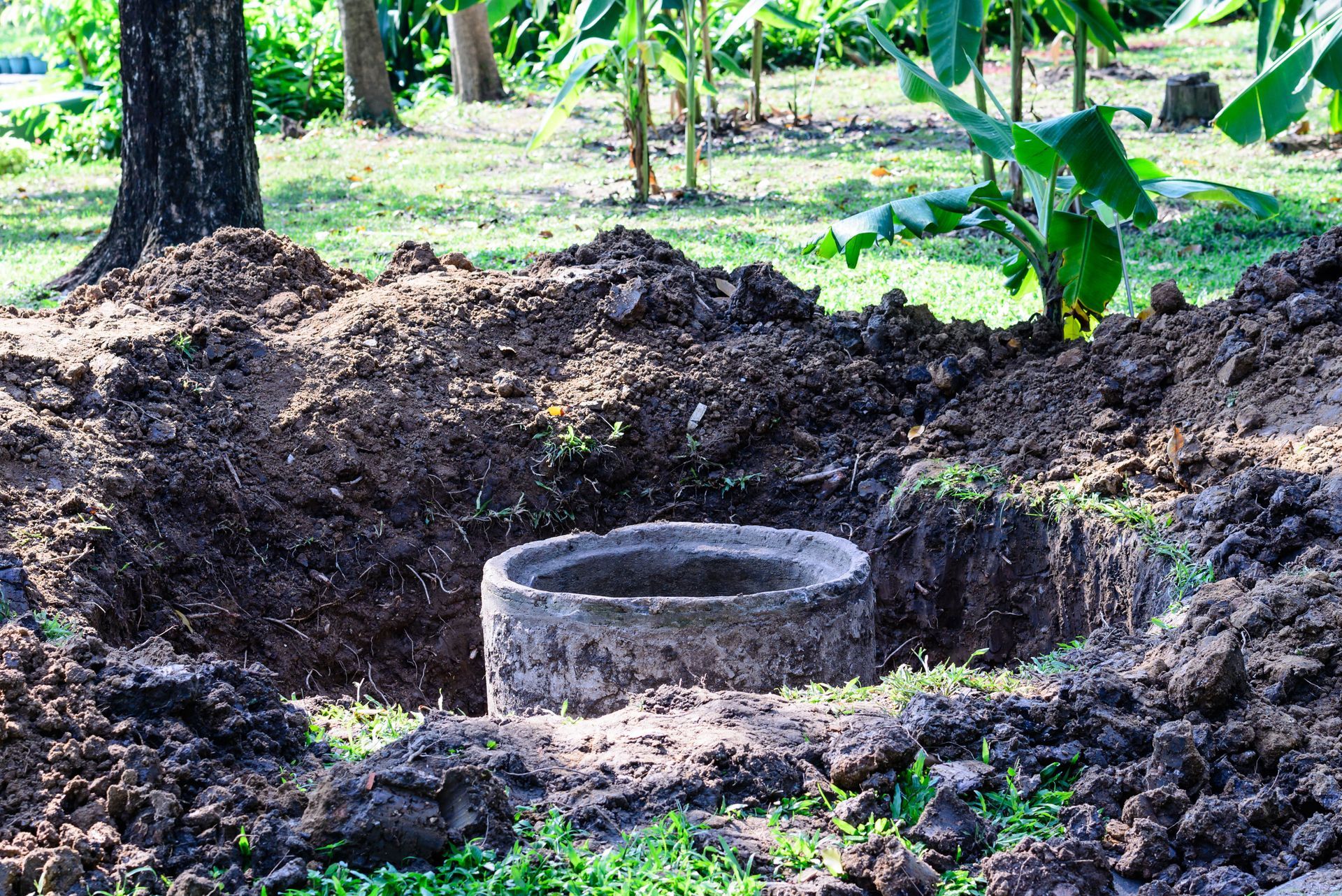
- Collapsed or cracked tank
- Lack of maintenance records
- Systems not up to code
- Improper system size for the home
Any of these can delay or even cancel a sale if not handled properly.
____________________
Pro Tips for a Smooth Transaction
- Include septic inspection contingencies in contracts
- Work with licensed septic professionals
- Budget for potential repairs or replacement
- Educate buyers on proper septic use (no grease, wipes, or chemicals)
____________________
Protect Your Investment
A septic system may be out of sight, but it should never be out of mind—especially during a real estate transaction. With proper inspections, maintenance, and transparency, both buyers and sellers can move forward with confidence.
With over 65 years experience, contact the Ability Septic team today at (630) 739-6907 and we’ll guide you every step of the way through your home buying journey.