Septic Tank Risers Explained: Do You Really Need Them for Your Septic System?
May 27, 2026

May 27, 2026

If your septic tank lids are buried underground, installing risers can make maintaining your septic system much easier, cleaner, and more cost-effective. Many homeowners don’t realize how valuable septic risers are until it’s time for a pumping, inspection, or emergency repair.


At Ability Septic, we often recommend risers to customers because they improve access to your septic system while helping protect your property and reduce future service costs.


____________________


What Are Septic Risers?


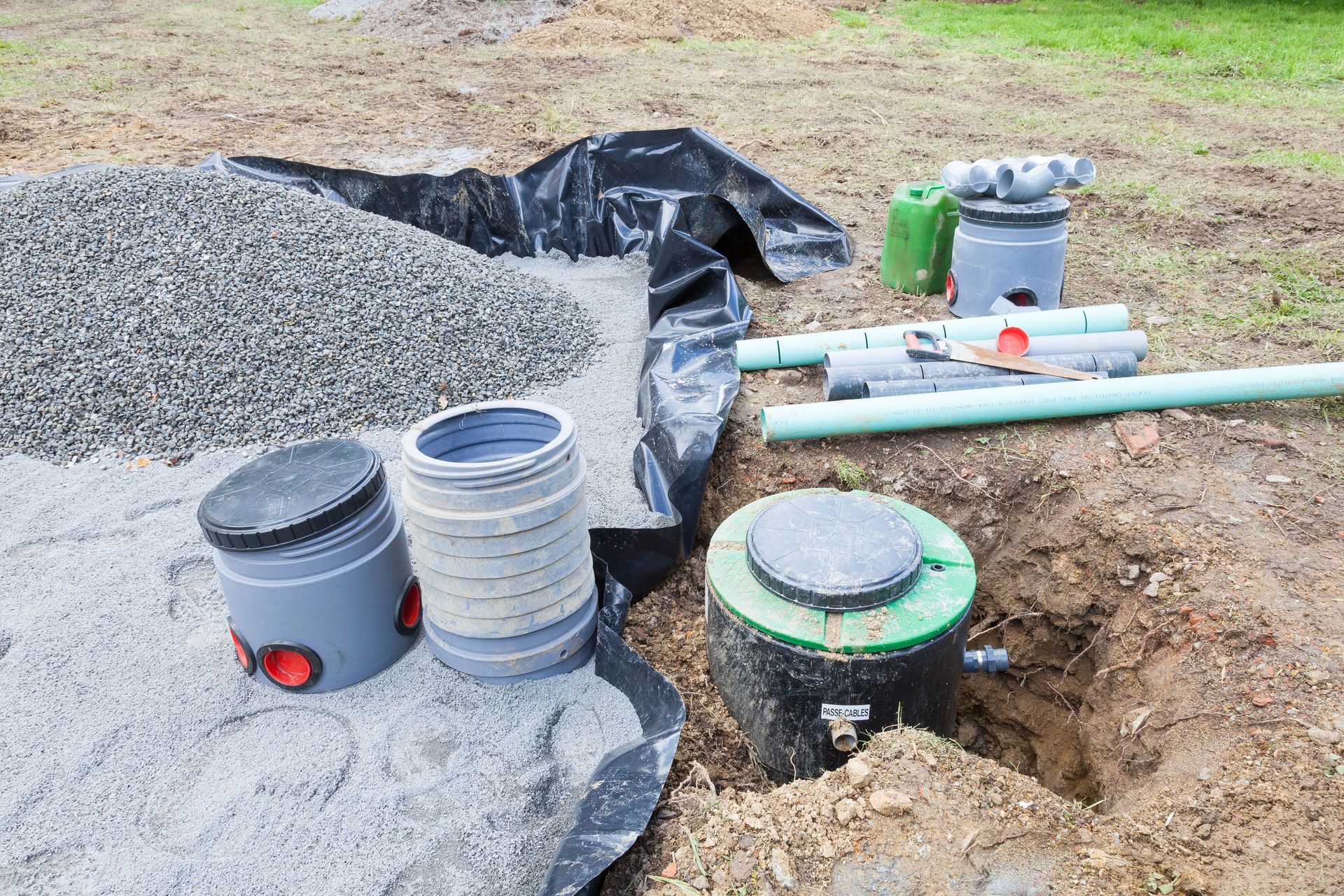
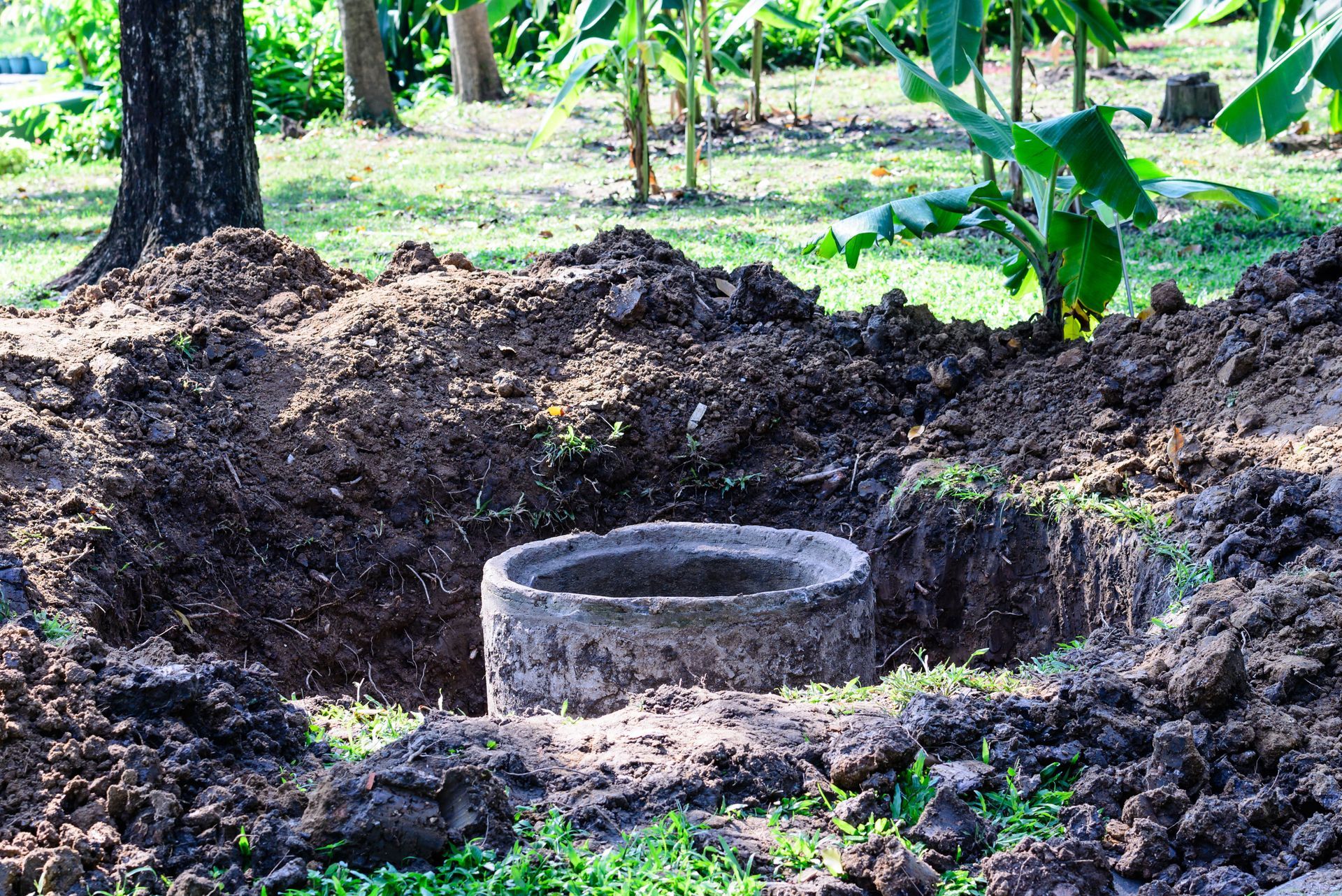
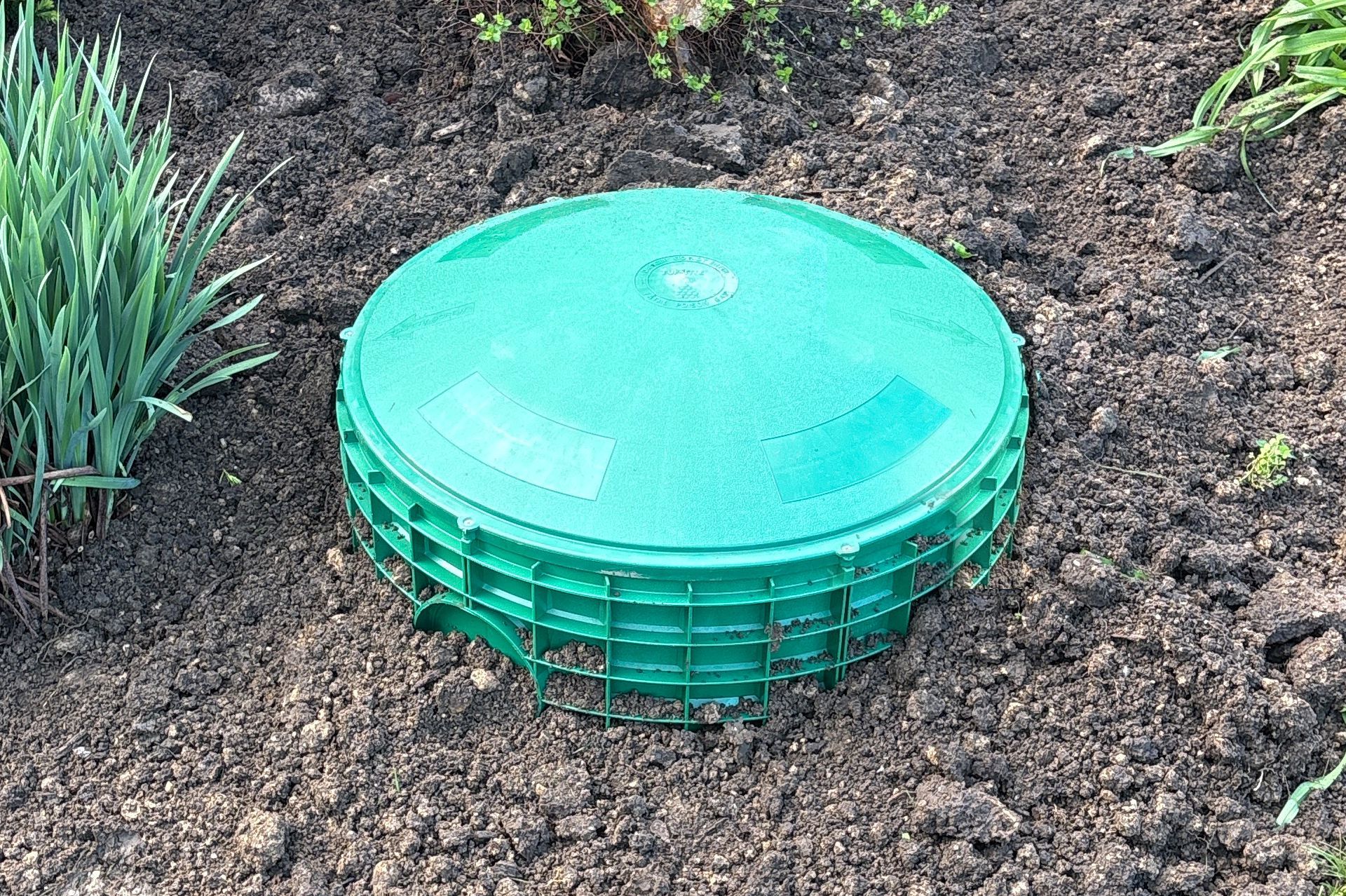
Septic risers are durable pipes, usually made from polyethylene or concrete, that extend your septic tank access openings from underground up to ground level. They are installed over the tank lids and sealed with secure, child-safe covers.


Instead of digging up your yard every time your tank needs service, technicians can simply remove the riser lid and access the tank immediately.


____________________


Benefits of Installing Septic Risers


Easier Septic Maintenance

Without risers, locating and digging up buried lids can take extra time and labor during every service visit. Risers provide direct access, making septic pumping and inspections faster and more efficient.


Saves Money Over Time

Although risers require an upfront installation cost, they can reduce future digging expenses and labor charges. Over the life of your septic system, they often pay for themselves.


Protects Your Yard and Landscaping

Repeated digging can damage grass, landscaping, patios, and driveways. Risers eliminate the need to excavate your property each time your tank needs maintenance.


Faster Emergency Access

If your septic system backs up or experiences a problem, quick access matters. Risers allow technicians to inspect and diagnose issues immediately without spending time locating buried lids.


Encourages Regular Maintenance

When septic access is simple, homeowners are more likely to stay on schedule with routine pumping and inspections. Preventative maintenance helps extend the life of your septic system and avoid costly repairs.


____________________


Do All Septic Systems Need Risers?


Not every septic system has risers installed, especially older systems. However, risers are highly recommended if:

  • Your septic lids are buried underground
  • Your yard must be dug up during every pumping
  • You want easier access for maintenance
  • You want to reduce long-term service costs
  • You recently installed a new septic tank
  • You plan to stay in your home long-term


Newer septic systems often include risers as part of the installation because of the convenience and long-term value they provide.


____________________


Are Septic Risers Safe?


Yes. Modern septic risers use heavy-duty, secure lids designed to withstand weather, foot traffic, and normal yard conditions. Professional installation ensures the risers are sealed properly to prevent odors or water intrusion.


____________________


When Should Risers Be Installed?


The best time to install risers is during:

  • Septic tank pumping
  • Septic inspections
  • Tank repairs
  • New septic system installation


Since the tank lids are already exposed during these services, installation is usually quicker and more cost-effective.


____________________


Trust Ability Septic for Professional Septic Service


At Ability Septic, we help homeowners keep their septic systems operating efficiently with professional pumping, inspections, maintenance, and riser installation services. Our experienced team can evaluate your system and recommend the best solution for easy long-term access and maintenance.


If you’re tired of digging up your yard every time your septic tank needs service, septic risers may be the perfect solution.


Contact Ability Septic today at (630) 739-6907 to schedule your septic service or learn more about riser installation options for your property.
septic system cleaning
July 30, 2026
When inspections, pumping, and septic system cleaning are delayed, untreated wastewater may affect the property or local water quality.
septic pumping
July 9, 2026
Avoid a total plumbing nightmare. Learn how routine septic pumping keeps your tank running smoothly and saves you from costly yard repairs.
By 7016429343 May 28, 2026
Yes — FOG can significantly decrease the efficiency of your septic system. FOG stands for fats, oils, and grease, and when these materials enter your septic tank, they can create serious problems for both the tank and the drain field. Many homeowners don’t realize that everyday kitchen waste like cooking oil, bacon grease, butter, sauces, and food scraps can slowly damage a septic system over time. At Ability Septic , we help homeowners protect their septic systems through proper maintenance, inspections, and preventative care. ____________________ What Happens When FOG Enters a Septic Tank? When fats, oils, and grease go down your drains, they do not break down easily like normal wastewater. Instead, they float to the top of the septic tank and form a thick layer called scum. Over time, excessive FOG buildup can: Reduce tank capacity Restrict wastewater flow Clog septic pipes Damage the drain field Cause backups and odors Increase pumping frequency The more grease that enters the system, the harder your septic tank must work to separate and process waste properly. ____________________ Why Is Grease So Harmful? Unlike water-soluble waste, grease hardens as it cools. This sticky material can coat: Pipes Filters Baffles Tank walls Drain field lines Once grease begins accumulating, it traps other debris and creates blockages that may eventually lead to complete system failure. ____________________ Can FOG Reach the Drain Field? Yes. If too much grease builds up inside the septic tank, it can move into the drain field along with wastewater effluent. This is one of the most expensive septic problems a homeowner can face because grease can clog the soil and perforated drain pipes underground. Once a drain field becomes saturated with grease, repairs or replacement may be necessary. ____________________ Common Household Sources of FOG Many common kitchen items contribute to FOG buildup, including: Cooking oils Bacon grease Butter and shortening Salad dressings Gravy and sauces Dairy products Fatty food scraps Fried food residue Even using a garbage disposal excessively can increase grease and solids entering the septic system. ____________________ Warning Signs of Excessive Grease Buildup Too much FOG in your septic system may cause: Slow kitchen drains Gurgling pipes Sewage odors Frequent backups Standing water near the drain field Septic alarms or high tank levels If you notice these warning signs, it’s important to schedule a septic inspection before the problem becomes worse. ____________________ How To Prevent FOG Problems Never Pour Grease Down the Drain Instead: Let grease cool Pour it into a sealed container Dispose of it in the trash Wipe Dishes Before Washing Use paper towels to remove grease and food residue before rinsing dishes. Limit Garbage Disposal Use Garbage disposals increase solids entering the septic tank and can contribute to buildup. Schedule Regular Septic Pumping Routine pumping removes grease and solids before they can cause major damage. How Often Should a Septic Tank Be Pumped? Most residential septic tanks should be pumped every 3–5 years, depending on: Household size Water usage Tank size Amount of grease entering the system Homes with excessive kitchen grease use may require more frequent maintenance. ____________________ Protect Your Septic System with Ability Septic Routine septic tank cleaning goes beyond just sludge removal. It includes a thorough inspection of the entire system to identify early signs of wear or damage. Our team conducts detailed assessments of your tank, pipes, and drain fields to ensure every component functions correctly. This proactive approach helps to prevent costly repairs and extend the lifespan of your septic system. Early detection through maintenance reduces unexpected breakdowns and keeps your system operating smoothly. With our septic system cleaners in Batavia, IL , you receive professional guidance on maintaining your system’s health. We offer advice on water usage, waste disposal practices, and signs to watch for, empowering you to take control of your septic system’s longevity and performance. Knowledgeable guidance helps you prevent common septic problems before they start. Contact Ability Septic today to schedule your septic service and keep your system operating efficiently year-round.
Show More →