March 9, 2026
Maintaining a properly functioning septic tank system is essential for household waste management. According to This Old House, over 25% of Americans rely on septic tanks, particularly in rural areas, making reliable service crucial. Choosing competent contractors for septic tank services ensures system efficiency, prevents costly repairs, and protects both property and the environment. Homeowners must approach this decision carefully to avoid potential errors and maximize system longevity. The following guide outlines practical steps for selecting and working with trusted septic service providers.
Understand Septic Tank Requirements
Learn Septic Tank Basics
Septic tanks manage wastewater for homes not connected to municipal sewer systems. A typical system consists of a tank — commonly made of concrete, fiberglass, or plastic — and a drain field. The system separates solids from liquids, allowing organic matter to decompose while treated water slowly disperses into the soil. Household size and water usage determine tank capacity. Understanding these fundamentals provides a foundation for maintenance and guides decisions about the right septic tank maintenance.
Follow Regulatory Standards
Local health and environmental regulations govern septic system installations and services to prevent contamination or legal issues. Homeowners should be familiar with these requirements to ensure compliance. Contractors experienced in septic tank services can advise on regulations and provide guidance throughout maintenance or repair projects. Selecting a contractor who knows local rules minimizes risk and ensures smooth operations.
Maintain Key System Components
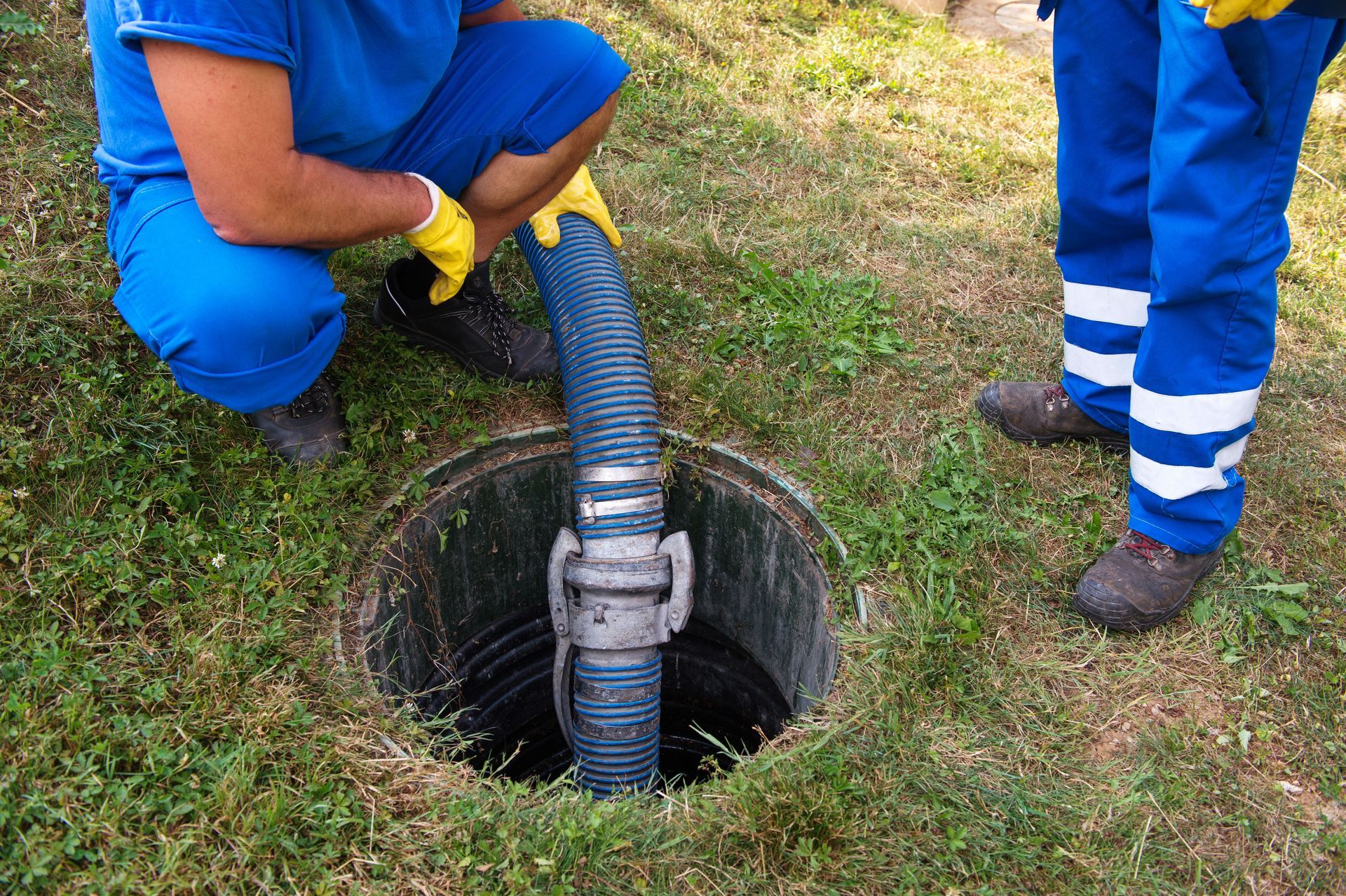
Routine maintenance extends the life of a septic system and prevents failures. Tasks include pumping the tank, inspecting for leaks, and cleaning effluent filters. While these may seem simple, professional expertise ensures efficiency and early detection of potential problems. Experienced contractors anticipate wear and environmental factors that homeowners may overlook, helping avoid expensive repairs later. Regular maintenance is a proactive approach to preserving system health and reducing long-term costs.
Recognize Warning Signs
Early identification of septic issues prevents significant damage. Red flags include unusual odors, slow drains, or sewage backups. Prompt engagement with qualified contractors for septic tank maintenance is critical once these symptoms appear. Addressing problems early protects property, reduces costs, and maintains overall system performance.
Consider Life Expectancy
Septic systems generally last several years, depending on maintenance, environmental factors, and construction materials. Regular inspections allow homeowners to identify aging components and plan timely replacements. Understanding the system’s lifecycle enables informed budgeting and ensures homeowners are prepared for repairs or upgrades. Contractors who clearly explain expected lifespans provide greater peace of mind.
Determine Your Specific Needs
Assess System Age and Condition
Evaluating the current condition of a septic system helps determine the appropriate level of service. Consider age, maintenance history, and efficiency. Older systems may need more frequent inspections or repairs. Environmental conditions can accelerate wear, so professional assessments are recommended to tailor services to the system’s unique needs.
Analyze Usage and Environmental Factors
Household size, water consumption, and soil conditions impact septic system performance. Larger families or high water use increase stress on the system, requiring more frequent attention. Soil type and water table levels influence how effectively effluent disperses. Contractors providing septic tank services can recommend maintenance schedules or adjustments to match environmental realities, ensuring optimal function.
Customize Services for Your Property
Property layout, space constraints, and nearby water sources influence septic system design and service strategies. Tailoring solutions to these factors ensures compliance, efficiency, and long-term reliability. Experienced contractors can offer personalized plans that prevent complications and optimize system operation.
Factor in Budget Considerations
Septic systems involve significant investment, and balancing cost with quality of service is important. Prioritizing essential maintenance and setting aside funds for emergency repairs helps manage expenses. Comparing multiple contractor quotes ensures fair pricing without sacrificing system integrity. Thoughtful financial planning supports long-term system performance and homeowner confidence.
Plan for Future Expansion
If a property may expand, homeowners should consider how additions will impact septic capacity. Contractors can advise on system adjustments or upgrades to accommodate growth while maintaining functionality. Planning for future needs ensures seamless integration of new structures and avoids potential failures.
Research Methods for Finding Contractors
Conduct Online Research and Reviews
Researching contractors online provides insight into service quality and reputation. Reading both positive and negative reviews helps identify consistency and reliability. Look for patterns in customer feedback regarding timeliness, communication, and professionalism. An active digital presence reflects accountability and transparency in septic tank services.
Verify Licenses and Certifications
Licensed contractors meet professional standards and comply with regulations. Confirming credentials protects against hiring unqualified providers. Request documentation and, when possible, verify with local authorities. Licensed and certified professionals signal competence and reliability.
Seek Referrals
Personal recommendations from friends, family, or neighbors offer valuable firsthand insight. Inquiring about experience, timeliness, and service quality helps establish realistic expectations. Word-of-mouth referrals remain a dependable method for identifying reliable contractors.
Explore Industry Associations
Professional associations and directories often list contractors adhering to industry standards. Using these resources adds assurance when evaluating potential service providers. Associations can provide additional information on contractor capabilities, further supporting informed decisions.
Watch for Red Flags
Avoid contractors exhibiting warning signs such as a lack of transparency, reluctance to provide references, or aggressive sales tactics. Awareness of these traits protects homeowners from substandard service and ensures the selection of qualified providers for septic tank services.
Evaluate Contractor Proposals
Review Bid Breakdown
Detailed bids clarify costs, work scope, and deliverables. Transparent proposals reduce the risk of hidden fees and align expectations between homeowners and contractors. Always clarify ambiguous items to ensure mutual understanding before committing.
Compare Multiple Quotes
Collecting several quotes allows assessment of both cost and service quality. Extremely low bids may indicate compromised work. Evaluating timelines, included services, and guarantees ensures homeowners select the most appropriate contractor.
Ask Essential Questions
Inquiring about experience, service scope, and handling unforeseen issues provides insight into contractor reliability. Discussing regulatory compliance demonstrates diligence and professionalism. Thoughtful questioning ensures services match homeowner expectations.
Confirm Insurance and Bonds
Insurance protects homeowners from liabilities during projects. Verifying coverage and bonds with issuing authorities safeguards against accidents and property damage. Contractors willing to share this information demonstrate accountability and professionalism.
Check References
Contacting previous clients confirms consistency and reliability. Verify at least three references to assess performance patterns. Transparent contractors typically provide references willingly, which signals trustworthy septic tank services.
Formalize Agreements and Expectations
Draft a Clear Contract
A detailed contract establishes the framework for the working relationship. It should outline terms, responsibilities, timelines, and payment structures. Reviewing the contract carefully ensures clarity and reduces future disputes.
Define Scope of Work
Clearly specifying tasks, responsibilities, and timelines prevents misunderstandings. Documenting changes formally maintains project integrity and accountability. Well-defined scopes support efficient and reliable service delivery.
Set Timelines and Milestones
Time-bound goals facilitate monitoring and ensure project progress. Clear timelines enable early detection of delays, allowing corrective actions. Establishing agreed-upon milestones promotes reliability and satisfaction.
Outline Payment Terms
Progressive payment schedules tied to completed milestones provide financial security for both parties. Transparency in payment terms ensures homeowners understand obligations while holding contractors accountable.
Maintain Long-term System Health
Follow Up After Service
Post-service communication ensures satisfaction and addresses outstanding concerns. Contractors are committed to follow-up foster client loyalty and maintaining ongoing system reliability.
Implement Regular Maintenance Contracts
Regular maintenance agreements provide scheduled inspections, timely repairs, and proactive management. These arrangements ensure long-term system efficiency, minimizing costly emergency interventions.
Offer Feedback and Reviews
Providing feedback benefits contractors and the wider community by highlighting performance and guiding future homeowners. Sharing experiences encourages higher standards and supports reliable industry practices.
Engage With Community Programs
Contractors involved in local initiatives demonstrate commitment beyond business interests. Community engagement reflects positively on reliability and dedication, reinforcing confidence in service providers.
Finding reputable contractors for septic tank services requires careful research, verification of credentials, and clear agreements. Understanding system needs, assessing proposals, and maintaining ongoing communication ensures dependable service and a long-lasting system. At Ability Septic, we prioritize comprehensive service, proactive maintenance, and reliable communication to support homeowners in protecting their investments. Utilizing these strategies empowers homeowners to maintain healthy septic systems and enjoy consistent, efficient waste management. Contact us today to schedule professional septic tank services and ensure your system operates at its best.