November 13, 2026
For millions of property owners living in suburban enclaves, rural communities, and sprawling countryside estates, modern sanitation operates completely independent of municipal utility lines. Instead of sending wastewater down public sewer mains to a central municipal treatment plant, these properties rely on a self-contained, subterranean biological processing plant located right on the lot: the on-site septic system.
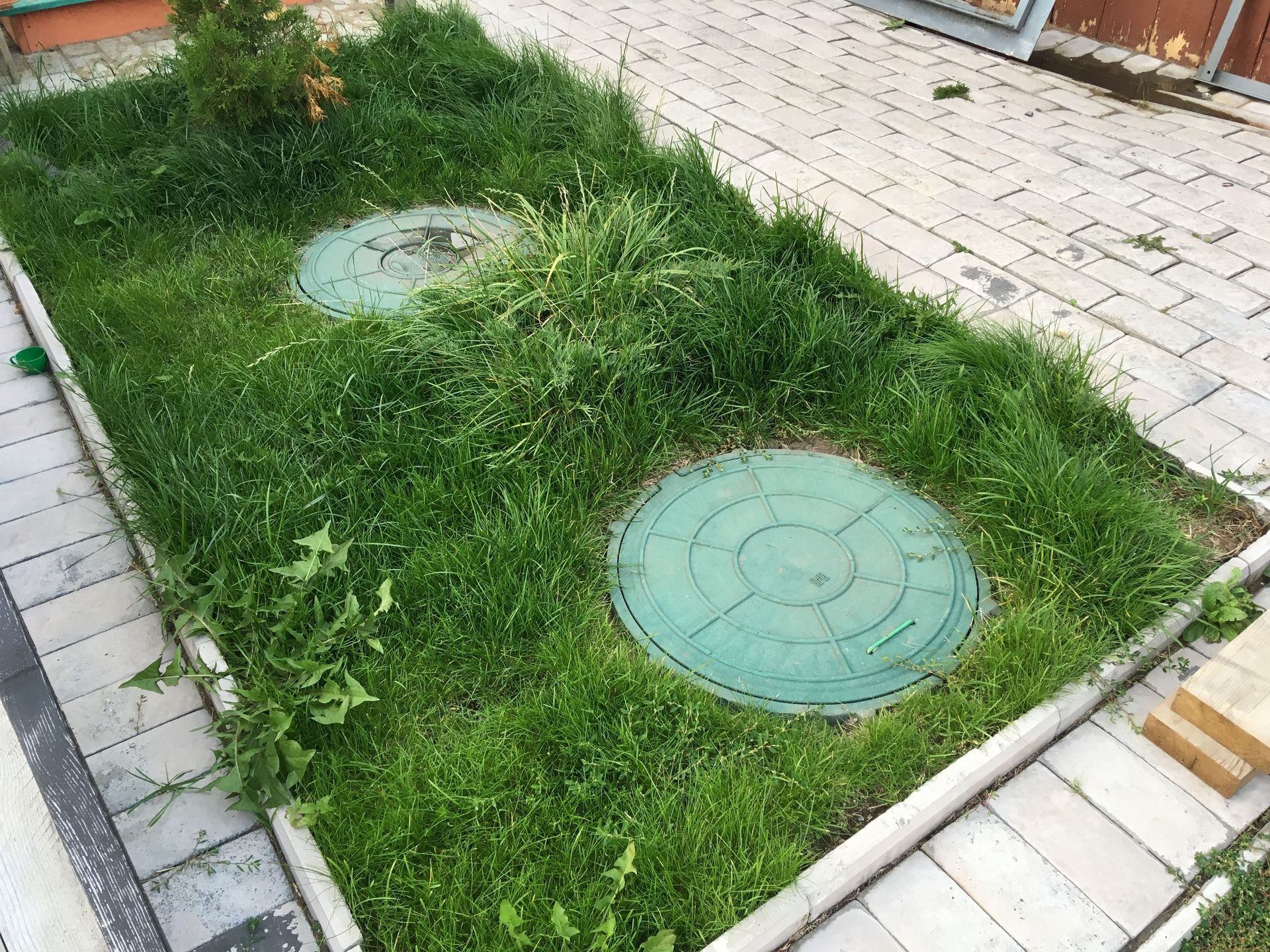
A septic system operates out of sight and beneath the lawn, functioning quietly around the clock to separate, treat, and safely disperse household wastewater. Yet, because this vital infrastructure is hidden subterranean, it is often subject to the "out of sight, out of mind" trap. Homeowners turn on their taps, run dishwasher cycles, wash laundry loads, and flush toilets without giving a second thought to where that wastewater goes—until a noxious odor permeates the yard, drains stop functioning, or raw sewage backs up into the home.
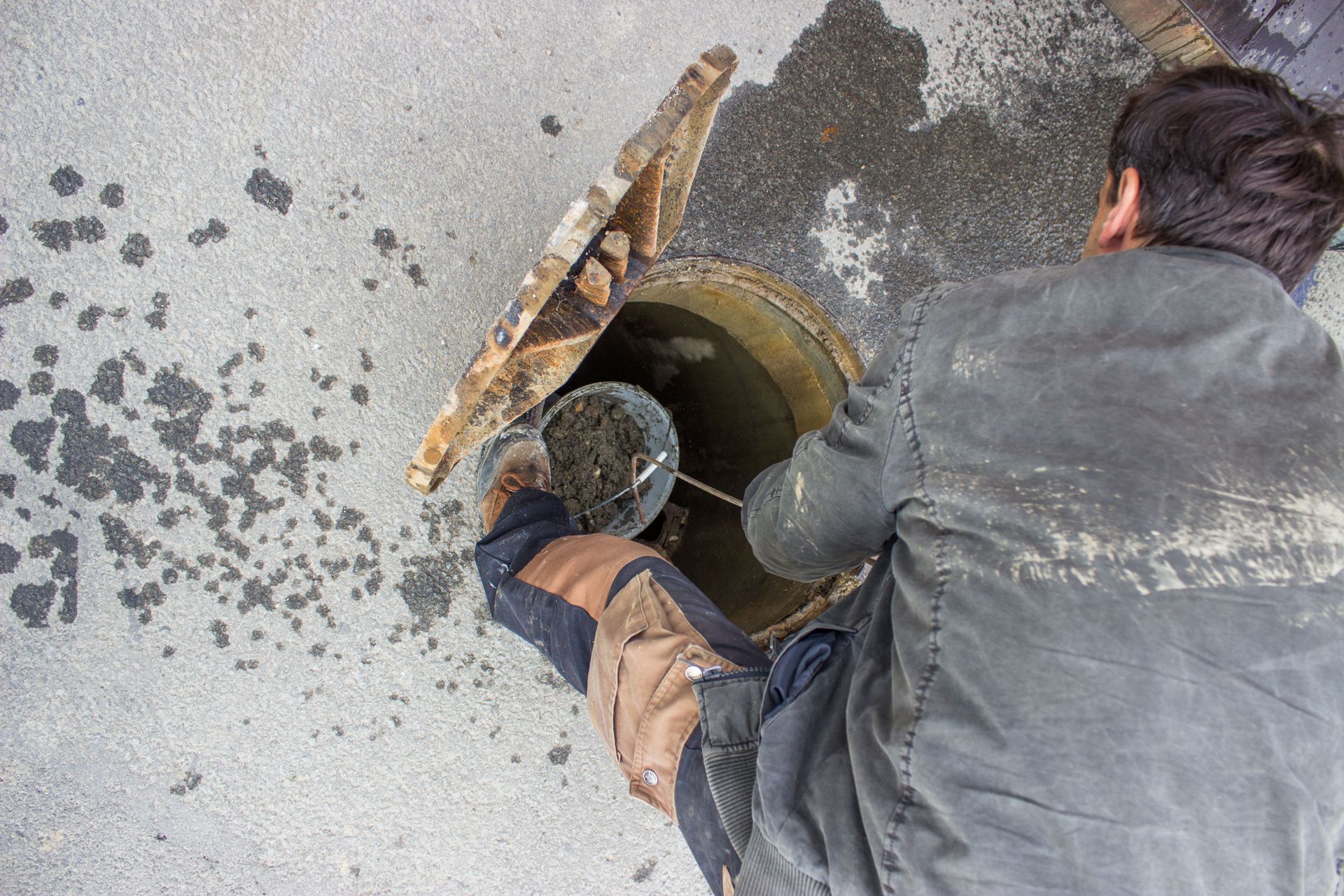
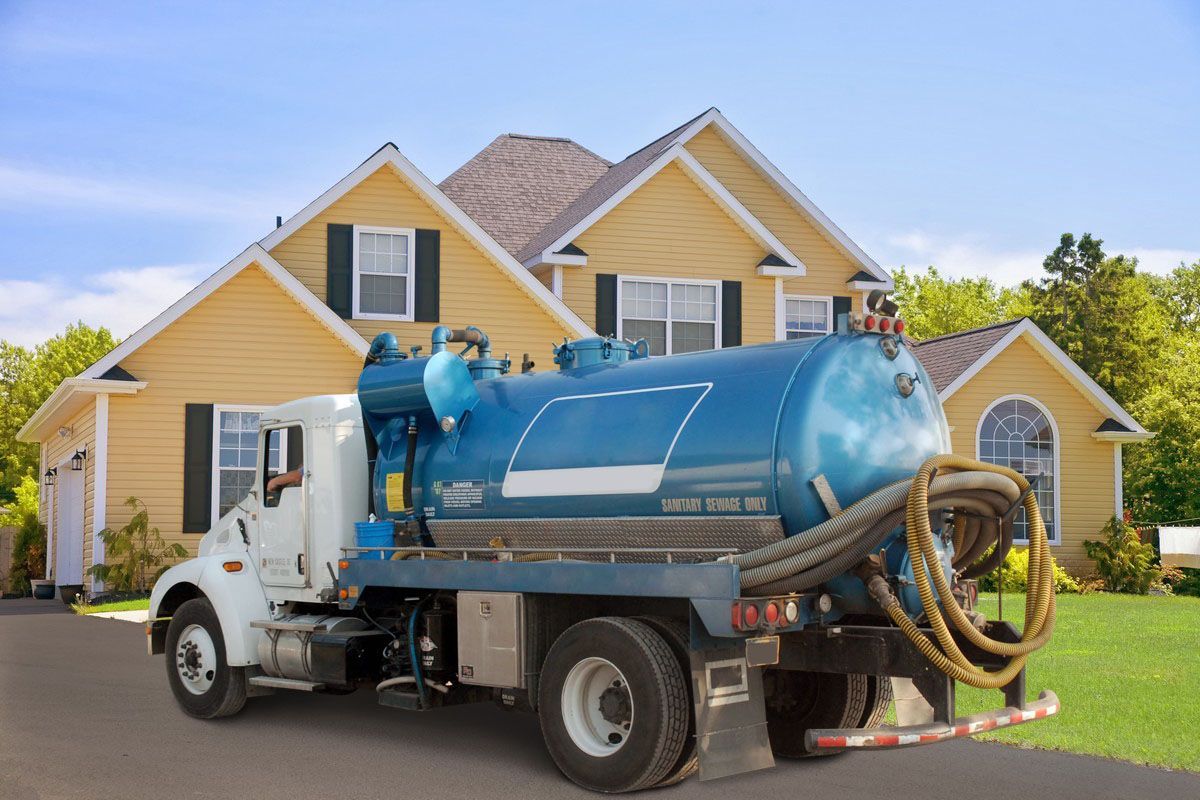
Maintaining the delicate biological and mechanical balance of an on-site wastewater system is essential to avoiding structural catastrophes. To keep these decentralized utilities running smoothly, having consistent, reliable access to a licensed septic pumping service is an absolute necessity.
The Scale of Decentralized Wastewater in America
Many urban dwellers assume that decentralized sanitation is a rare or outdated relic of the past. In reality, decentralized wastewater systems represent a massive, essential pillar of modern residential infrastructure across the United States.
According to the US EPA, more than 21 million U.S. households rely on decentralized on-site septic systems rather than public sewer infrastructure.
This vast number of on-site systems processes billions of gallons of household wastewater every single day. Unlike municipal systems, where public utility departments assume total responsibility for pipe maintenance, processing chemicals, and equipment upkeep, septic owners are entirely responsible for their own personal wastewater facility. Without scheduled maintenance and access to a professional septic pumping service, millions of individual residential properties are continuously at risk of environmental contamination, structural damage, and astronomical repair bills.
How a Septic System Works (and Why It Fills Up)
To truly appreciate the necessity of routine maintenance, one must understand the internal dynamics of a standard residential septic tank. A septic tank is a watertight concrete, fiberglass, or polyethylene chamber buried underground. When wastewater leaves your home via sinks, toilets, showers, and washing machines, it enters the primary septic tank, where gravity naturally stratifies the waste into three distinct layers:
- The Scum Layer (Top): Lighter-than-water solids, such as fats, cooking oils, grease, and soap scum, float to the surface.
- The Effluent Layer (Middle): Clarified liquid water sits in the middle zone, relatively clear of heavy particulate matter.
- The Sludge Layer (Bottom): Denser, heavier inorganic and organic solids settle to the tank floor, where anaerobic bacteria begin breaking down digestible waste.
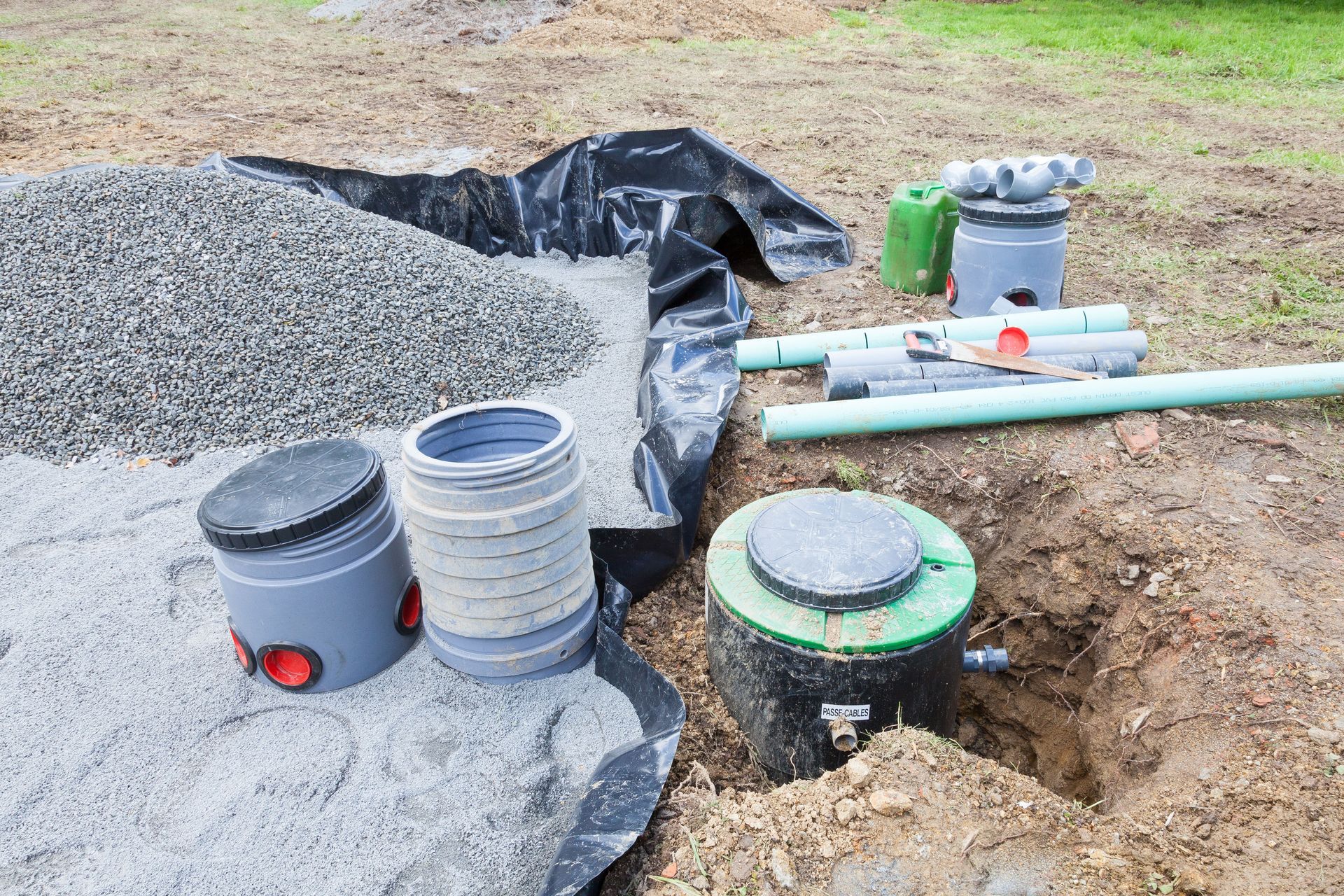
In a properly functioning system, the clarified effluent liquid in the middle layer flows out through an outlet tee and into the absorption field (often called the leach field or drainfield). In the drainfield, perforated pipes distribute the liquid into gravel trenches and underlying soil, where natural soil microbes filter out pathogens, viruses, and excess nitrogen before the water returns to the water table.
However, while anaerobic bacteria in the tank work constantly to digest waste, they cannot consume everything. Wet wipes, hair, dirt, hygiene products, and inorganic particles remain permanently at the bottom as sludge. Over time, the sludge layer at the bottom rises, and the scum layer at the top thickens. If you fail to call a septic pumping service to physically vacuum out these layers, the solid waste will eventually rise high enough to spill into the outlet pipe, flowing directly into the absorption drainfield.
1. Preventing Catastrophic Drainfield Failure
The most critical argument for maintaining regular pumping intervals is protecting your absorption drainfield. The septic tank itself is simply a holding and settling chamber; the drainfield is where true environmental wastewater treatment occurs.
When heavy sludge and floating scum overflow the septic tank due to lack of pumping, they clog the porous openings in the drainfield pipes and choke the surrounding gravel bed. Worse, organic particles form an impenetrable, gelatinous layer of anaerobic bacteria called a biomat.
Once a drainfield is clogged with solids and an overgrown biomat:
- Wastewater can no longer absorb into the ground, forcing raw sewage to pool on the surface of your lawn.
- Soil pores become completely sealed, rendering the absorption area useless.
- The entire drainfield suffers total biological and physical failure.
Replacing a ruined drainfield is a logistical nightmare and a massive financial hit. It requires deep excavation across your property, soil perk testing, local health department engineering permits, and the reconstruction of new absorption trenches. While hiring a professional septic pumping service every few years costs a few hundred dollars, replacing an entire drainfield routinely costs anywhere from $10,000 to over $25,000. Proactive pumping is the ultimate financial insurance for your sanitation infrastructure.
2. Protecting Public Health and Regional Groundwater
A malfunctioning septic system is far more than an unpleasant inconvenience; it is a severe biohazard. Human wastewater contains high concentrations of dangerous pathogens, including:
- Harmful bacteria such asEscherichia coli(E. coli) andSalmonella.
- Waterborne viruses like Norovirus, Rotavirus, and Hepatitis A.
- Intestinal parasites likeGiardia lambliaandCryptosporidium.
- Concentrated nitrates and phosphorus that degrade environmental waterways.
When unpumped tanks overflow or leach fields fail, this untreated, pathogen-rich sewage pools on top of lawns where children play and household pets roam. During heavy rains, surface runoff carries these contaminants into neighborhood storm ditches, local creeks, fishing lakes, and recreational swimming ponds.
Even more critically, failed systems can allow untreated sewage to leach directly into underlying freshwater aquifers. Because many rural households with septic systems also rely on private groundwater wells for their drinking water supply, an overflowing system can poison your family’s or your neighbor's well water. Engaging a licensed septic pumping service guarantees that waste is properly collected and hauled to certified municipal treatment facilities, keeping regional groundwater pristine and safeguarding community public health.
3. Eliminating Costly Interior Plumbing Backups
There is no household crisis more shocking, unsanitary, and stressful than a primary sewer line backup. When a septic tank reaches its physical capacity and cannot accept any more effluent, wastewater has nowhere to go but backward.
The immediate result is wastewater backing up into the lowest plumbing fixtures of your home:
- Basements, crawlspaces, and ground-floor shower stalls fill with dark, foul-smelling blackwater.
- Toilets gurgle, bubble, and overflow with every household water use.
- Sinks and washing machine drains fail to discharge, halting daily life entirely.
Remediating a Category 3 blackwater backup requires specialized hazmat cleaning crews, professional antimicrobial treatments, and the complete demolition of contaminated carpet, drywall, and baseboards. Maintaining scheduled appointments with an experienced septic pumping service keeps the tank's liquid level below the intake baffle, ensuring smooth, uninterrupted drainage from every sink, tub, and toilet in your home.
An on-site septic system is an incredible piece of independent engineering, providing sanitary, cost-effective wastewater management right on your property. However, it cannot be ignored. With more than 21 million American households relying on decentralized wastewater infrastructure, keeping these systems operational is both an environmental duty and a financial necessity.
Scheduling regular visits with a trusted, certified septic pumping service is the single most important action you can take to safeguard your investment. By removing accumulated solids, checking vital baffles, protecting your absorption field, and maintaining pristine public health, routine pumping ensures that your plumbing functions flawlessly, your lawn remains clean, and your property value stays secure for decades to come. Reach out to Ability Septic today to see how we can help you!