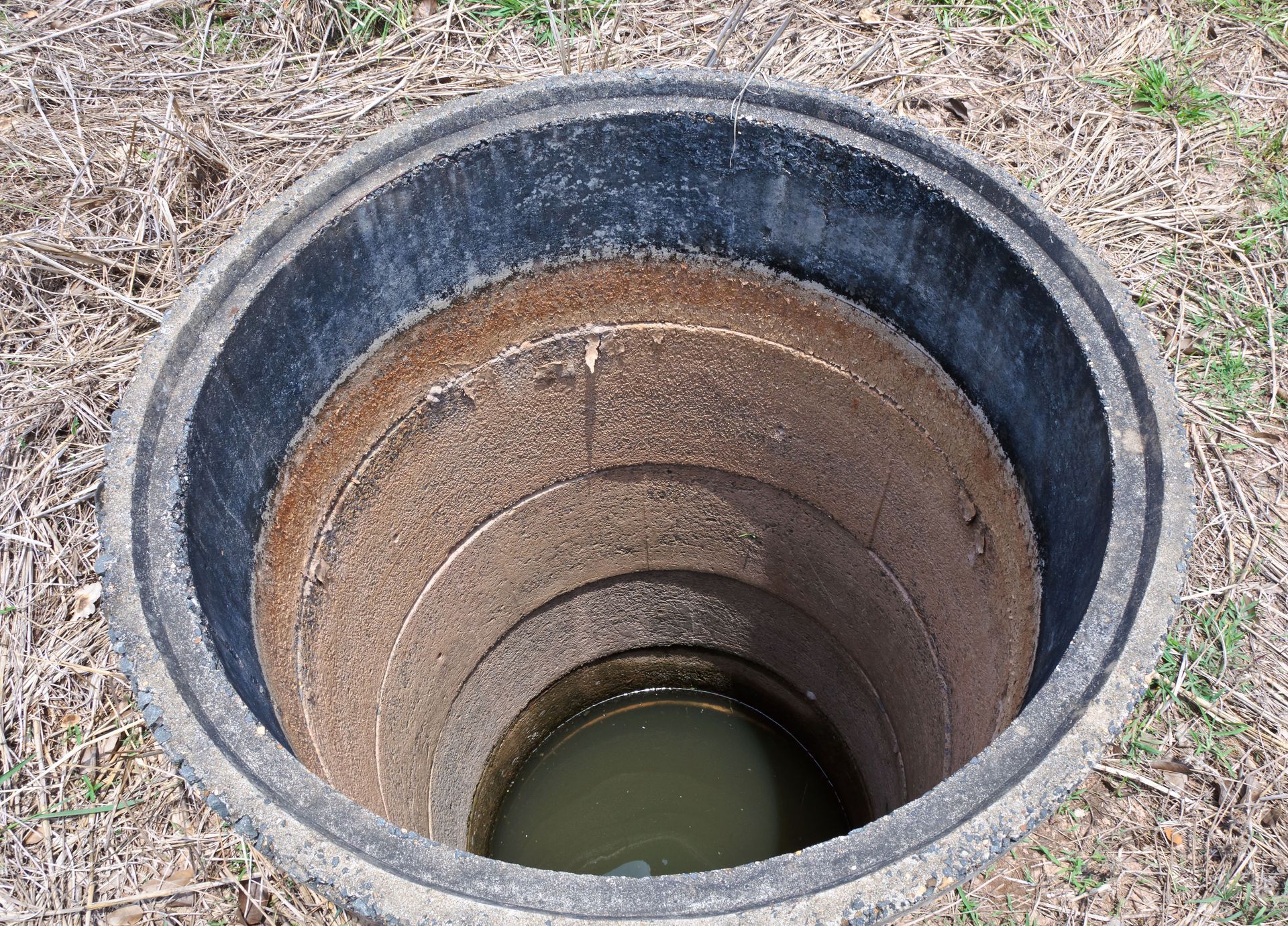
If you have a septic system, you’ve probably wondered:
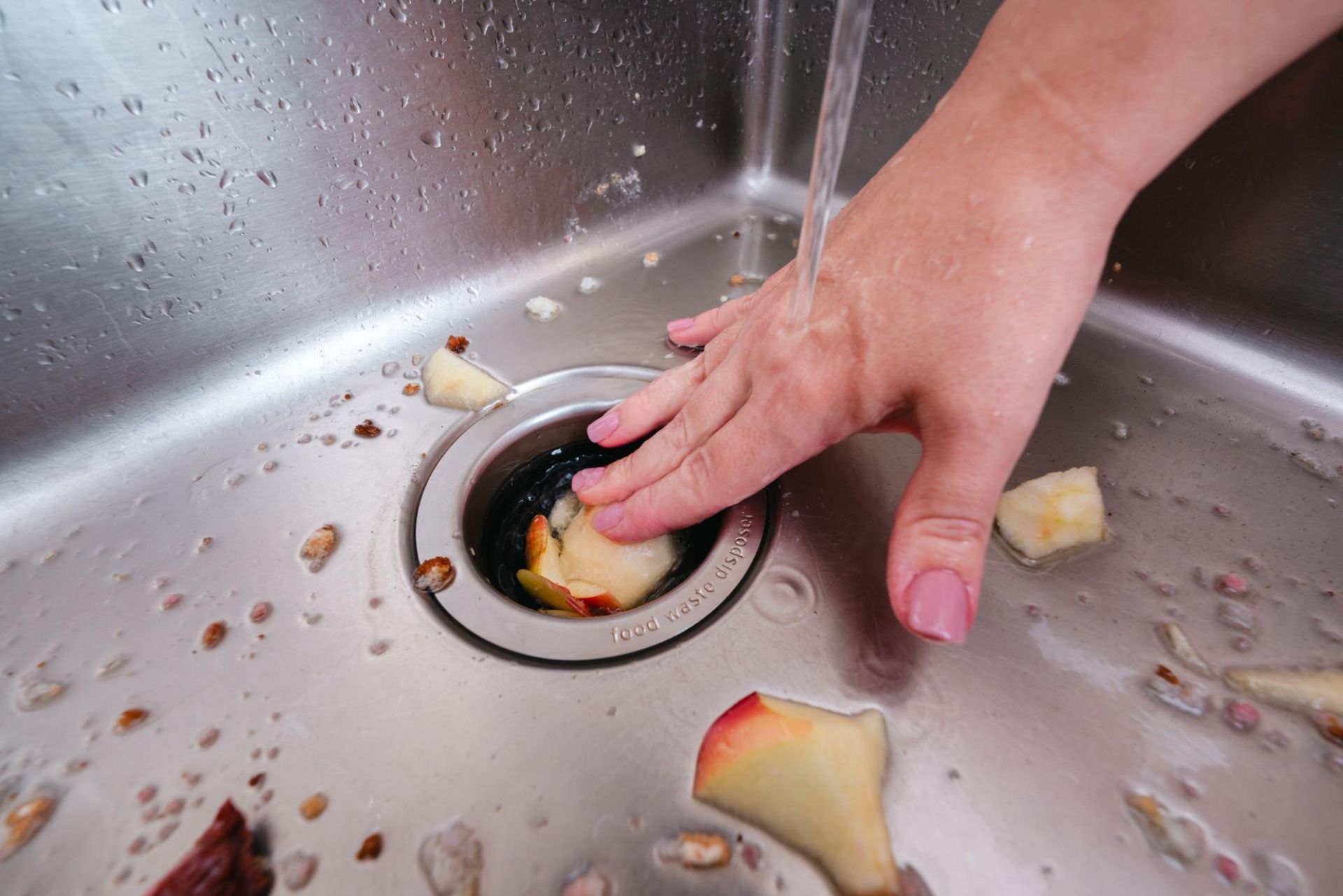
Can I safely use my garbage disposal? The short answer is
yes—but with caution. While garbage disposals are convenient, they can significantly impact the health and lifespan of your septic system if not used properly.
Let’s break down what every homeowner should know.
____________________
How a Garbage Disposal Affects Your Septic System
A garbage disposal grinds food waste into small particles and sends it down your drain. In homes connected to municipal sewer systems, this isn’t a major concern—but with a septic system, it’s a different story.
Your septic tank is designed to separate waste into three layers:
- Scum (top layer) – oils and grease
- Effluent (middle layer) – liquid wastewater
- Sludge (bottom layer) – solid waste
Adding food waste from a disposal:
- Increases the
solid load in your tank
- Causes sludge to build up faster
- Requires
more frequent pumping
- Can lead to
clogs or system overload
____________________
Pros of Using a Garbage Disposal with a Septic Tank
Using a garbage disposal isn’t all bad—there are some benefits when used sparingly:
- Convenience for small food scraps
- Reduces trash and odors in your kitchen
- Can be safe
if your system is properly maintained
____________________
Cons You Need to Consider
Here’s where problems often begin:
- Faster tank fill-up → more frequent pumping (sometimes yearly)
- Increased risk of clogs in pipes and drain field
- Disruption of natural bacteria that break down waste
- Grease and fibrous foods can
damage your system
____________________
What NOT to Put Down the Disposal (Especially with Septic Systems)
Avoid putting these down your garbage disposal at all costs:
- Grease, fats, and oils
- Coffee grounds
- Eggshells
- Pasta, rice, and starchy foods
- Fibrous vegetables (celery, corn husks)
- Bones or large food scraps
These items don’t break down easily and can quickly overwhelm your septic tank.
____________________
Best Practices for Using a Garbage Disposal with a Septic Tank
If you choose to use one, follow these tips to protect your system:
1. Use It Sparingly
- Think of your disposal as a backup—not a primary waste solution.
2. Run Plenty of Water
- Always flush waste with cold water to help move solids through the system.
3. Schedule Regular Pumping
- Homes using disposals may need pumping
every 1–2 years instead of 3–5.
4. Maintain Healthy Bacteria
- Avoid harsh chemicals that kill beneficial bacteria in your tank.
5. Compost When Possible
- Composting food waste is a septic-friendly alternative.
____________________
Should You Avoid Garbage Disposals Altogether?
For many septic system owners, the safest answer is: limit or avoid using one if possible.
While modern septic systems can handle some additional load, long-term use of a garbage disposal often leads to:
- Higher maintenance costs
- Increased risk of system failure
- Shorter lifespan of your septic system
____________________
Final Thoughts: Convenience vs. Cost
Using a garbage disposal with a septic tank is a trade-off. It offers convenience in the short term—but can lead to expensive repairs if overused.
Bottom line:
✔ Occasional use is okay
❌ Daily use is risky
If you want to protect your septic system, reduce usage, stay on top of maintenance, and be mindful of what goes down your drain.
If you’re unsure whether your system can handle a garbage disposal—or it’s been a while since your last inspection—now is the time to act. Preventative maintenance today can save thousands in repairs tomorrow.
Contact our experienced team at (630) 739-6907 for all your septic system needs.