What Do You Do When Your Septic Alarm Goes Off?
7016429343 • May 21, 2026

May 21, 2026

If your septic alarm goes off, don’t panic — but don’t ignore it either. A septic alarm is an early warning system designed to alert you before wastewater backs up into your home or yard. Acting quickly can prevent expensive repairs, property damage, and health risks.


In this guide, you’ll learn why septic alarms go off, what to do immediately, and when to call a professional.


____________________


What Is a Septic Alarm?


A septic alarm is typically installed on:


  • Aerobic treatment systems
  • Pumped septic systems
  • Systems with lift stations


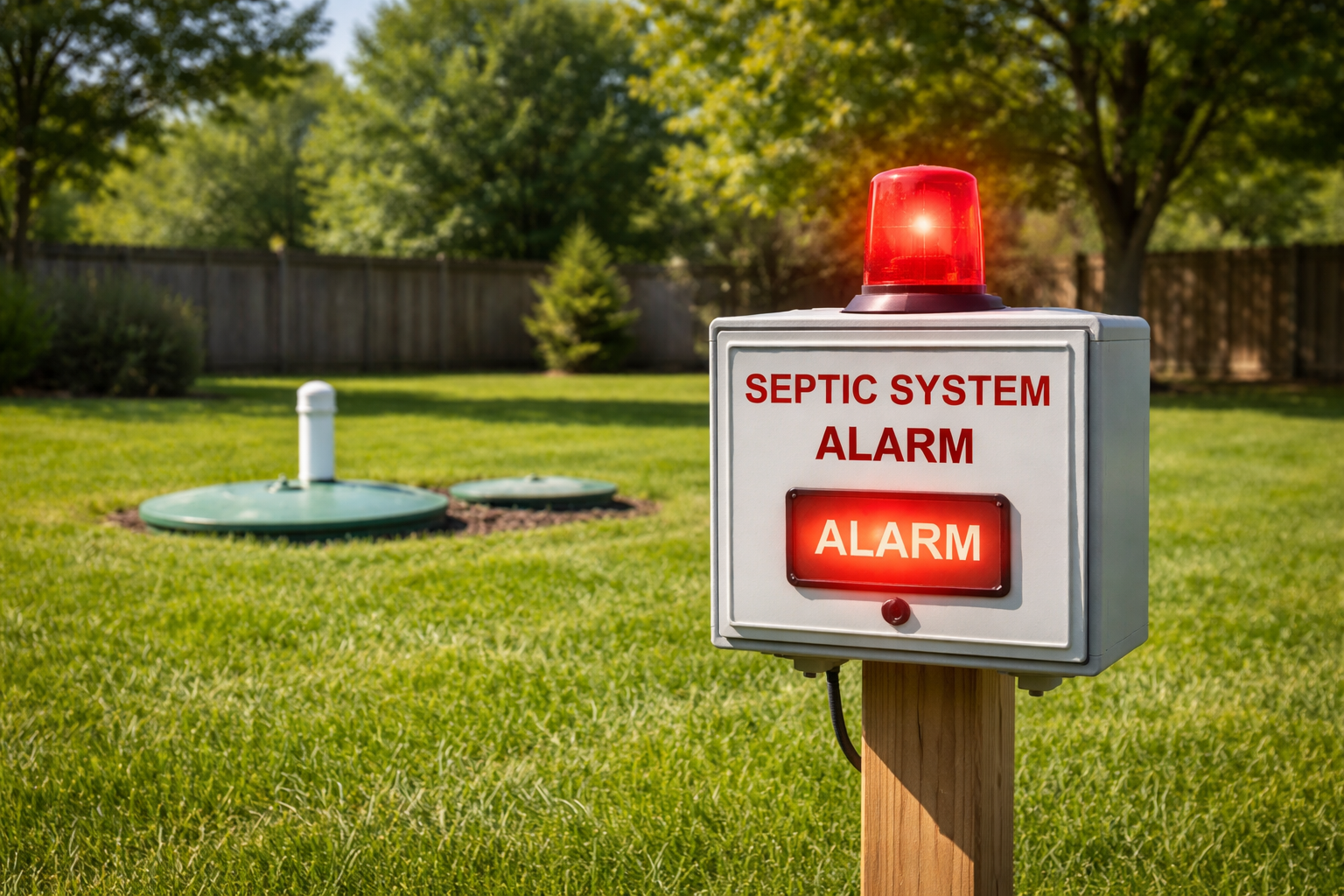
The alarm activates when water levels inside the tank become too high — usually due to pump failure, clogs, or excessive water use.


It may include:


  • A red warning light
  • A loud buzzer
  • A control panel with reset buttons


____________________


Step 1: Stay Calm — Don’t Ignore It


Your alarm is an early warning device. In many cases, you still have time to prevent a sewage backup if you act quickly.


____________________


Step 2: Reduce Water Usage Immediately


This is the most important first action.


Stop or limit:

  • Showers and baths
  • Laundry
  • Dishwasher use
  • Long sink use
  • Multiple toilet flushes


The goal is to prevent additional wastewater from entering the tank while you assess the situation.


____________________


Step 3: Check for Obvious Power Issues


Many septic alarms are triggered by power failure to the pump.

Check:


  • Circuit breakers
  • GFCI outlets
  • Recent power outages
  • Tripped pump breaker


If the breaker is tripped, reset it once. If it trips again, do not keep resetting — call a septic professional.


____________________


Step 4: Listen for the Pump


If your system has a pump chamber:


  • Stand near the tank area
  • Listen for pump operation after running a small amount of water


If you don’t hear the pump running, it may have failed.


____________________


Step 5: Press the Silence Button (If Available)


Most alarm panels allow you to silence the buzzer while keeping the warning light active. This is safe — but remember, silencing the alarm does not fix the problem.


____________________


Why Septic Alarms Go Off


Here are the most common causes of a septic high-water alarm:


1. Pump Failure


  • The most frequent issue. Pumps wear out over time and may need replacement.


2. Clogged Effluent Filter


  • A dirty filter can restrict flow and cause water levels to rise.


3. Power Disruption


  • Storms or electrical issues can temporarily disable the pump.


4. Excessive Water Use


  • Heavy laundry days, hosting guests, or long showers can overwhelm the system.


5. Drain Field Saturation


  • After heavy rain, the drain field may not absorb wastewater efficiently.


____________________


When to Call a Septic Professional


Call immediately if:


  • The alarm stays on after reducing water use
  • The breaker continues to trip
  • You notice slow drains or sewage odors
  • Water begins backing up into sinks or toilets
  • There is standing water near the septic area


Ignoring a septic alarm can lead to full septic system failure, which may cost thousands of dollars in repairs.


____________________


What NOT to Do


  • ❌ Don’t keep resetting the breaker
  • ❌ Don’t continue using large amounts of water
  • ❌ Don’t open the septic tank yourself
  • ❌ Don’t ignore the alarm hoping it will stop


Septic tanks contain hazardous gases and bacteria. Leave inspections and repairs to licensed professionals.


____________________


How to Prevent Future Septic Alarm Issues


Preventative maintenance can reduce emergency calls:


  • Schedule inspections every 1–3 years
  • Pump the tank every 3–5 years
  • Avoid flushing wipes, grease, or non-biodegradable items
  • Spread out laundry loads
  • Install a high-quality effluent filter


Routine maintenance is far more affordable than emergency repairs.


____________________


Frequently Asked Questions About Septic Alarms


Is it safe to shower if the septic alarm is on?


It’s best to avoid showering until the issue is identified. Reducing water usage helps prevent backups.


Will the septic alarm turn off on its own?


If caused by temporary high water usage, it may reset after levels drop. If not, professional service is needed.


Is a septic alarm an emergency?


It can become one quickly. Treat it as urgent to prevent sewage backup.


____________________


Time Matters When Your Septic Alarm Sounds


When your septic alarm goes off, it’s doing its job — warning you before a bigger problem happens. Acting quickly by reducing water usage and calling a septic professional can protect your home, health, and wallet.


If your septic alarm is currently sounding, don’t wait. Early action today can prevent a costly septic disaster tomorrow.


Contact the Ability Septic team at (630) 739-6907 and we'll take care of the rest.
By 7016429343 May 21, 2026
If you have a septic system, you’ve probably wondered: Can I safely use my garbage disposal? The short answer is yes—but with caution . While garbage disposals are convenient, they can significantly impact the health and lifespan of your septic system if not used properly. Let’s break down what every homeowner should know. ____________________ How a Garbage Disposal Affects Your Septic System A garbage disposal grinds food waste into small particles and sends it down your drain. In homes connected to municipal sewer systems, this isn’t a major concern—but with a septic system, it’s a different story. Your septic tank is designed to separate waste into three layers: Scum (top layer) – oils and grease Effluent (middle layer) – liquid wastewater Sludge (bottom layer) – solid waste Adding food waste from a disposal: Increases the solid load in your tank Causes sludge to build up faster Requires more frequent pumping Can lead to clogs or system overload ____________________ Pros of Using a Garbage Disposal with a Septic Tank Using a garbage disposal isn’t all bad—there are some benefits when used sparingly: Convenience for small food scraps Reduces trash and odors in your kitchen Can be safe if your system is properly maintained ____________________ Cons You Need to Consider Here’s where problems often begin: Faster tank fill-up → more frequent pumping (sometimes yearly) Increased risk of clogs in pipes and drain field Disruption of natural bacteria that break down waste Grease and fibrous foods can damage your system ____________________ What NOT to Put Down the Disposal (Especially with Septic Systems) Avoid putting these down your garbage disposal at all costs: Grease, fats, and oils Coffee grounds Eggshells Pasta, rice, and starchy foods Fibrous vegetables (celery, corn husks) Bones or large food scraps These items don’t break down easily and can quickly overwhelm your septic tank. ____________________ Best Practices for Using a Garbage Disposal with a Septic Tank If you choose to use one, follow these tips to protect your system: 1. Use It Sparingly Think of your disposal as a backup—not a primary waste solution. 2. Run Plenty of Water Always flush waste with cold water to help move solids through the system. 3. Schedule Regular Pumping Homes using disposals may need pumping every 1–2 years instead of 3–5. 4. Maintain Healthy Bacteria Avoid harsh chemicals that kill beneficial bacteria in your tank. 5. Compost When Possible Composting food waste is a septic-friendly alternative. ____________________ Should You Avoid Garbage Disposals Altogether? For many septic system owners, the safest answer is: limit or avoid using one if possible. While modern septic systems can handle some additional load, long-term use of a garbage disposal often leads to: Higher maintenance costs Increased risk of system failure Shorter lifespan of your septic system ____________________ Final Thoughts: Convenience vs. Cost Using a garbage disposal with a septic tank is a trade-off. It offers convenience in the short term—but can lead to expensive repairs if overused. Bottom line: ✔ Occasional use is okay ❌ Daily use is risky If you want to protect your septic system, reduce usage, stay on top of maintenance, and be mindful of what goes down your drain. If you’re unsure whether your system can handle a garbage disposal—or it’s been a while since your last inspection—now is the time to act. Preventative maintenance today can save thousands in repairs tomorrow. Contact our experienced team at (630) 739-6907 for all your septic system needs.
septic pumping services
May 6, 2026
Taking care of your septic system is a non-negotiable part of property ownership. Keep reading to learn about who to contact for septic pumping services.
By 7016429343 May 4, 2026
If you own a home with a septic system, regular maintenance isn’t optional — it’s essential. One of the most common questions homeowners ask is: How often should you service your septic system? The short answer: Inspect every 1–3 years and pump every 3–5 years. The long answer depends on household size, water usage, tank size, and system type. ____________________ Why Regular Septic Service Is So Important Your septic system works by: Collecting wastewater from your home Separating solids and liquids inside the tank Allowing bacteria to break down waste Dispersing treated water into the drain field Without routine service, solids build up, overflow into the drain field, and can cause: Sewage backups Drain field failure Property damage Expensive system replacement Preventative maintenance costs far less than emergency repairs. ____________________ How Often Should a Septic Tank Be Pumped? General Rule: Every 3–5 years However, this varies based on: 1. Household Size More people = more wastewater = faster buildup. 1–2 people: every 4–5 years 3–4 people: every 3–4 years 5+ people: every 2–3 years 2. Tank Size Larger tanks can hold more solids before needing pumping. 3. Water Usage Heavy laundry use, long showers, and frequent dishwasher cycles increase system strain. ____________________ How Often Should a Septic System Be Inspected? Recommended: Every 1–3 Years A professional inspection checks: Sludge and scum levels Tank integrity Baffles and filters Pump operation (if applicable) Drain field condition Regular inspections catch small issues before they become major problems. ____________________ Special Considerations for Different Septic Systems Aerobic Treatment Systems Aerobic systems require more frequent maintenance , typically: Inspection every 6–12 months Regular air pump checks Alarm system testing These systems have mechanical components that require monitoring. ____________________ Homes with Garbage Disposals Using a garbage disposal increases solid waste in the tank. If you use one regularly, you may need pumping more frequently — possibly every 2–3 years. ____________________ Signs Your Septic System Needs Immediate Service Don’t wait for your scheduled maintenance if you notice: Slow drains throughout the home Gurgling sounds in pipes Foul sewage odors Standing water near the drain field Sewage backing up into toilets or tubs These are warning signs of potential septic failure. ____________________ What Happens During Septic Service? Professional septic servicing typically includes: Locating and opening the tank Measuring sludge and scum levels Pumping out accumulated solids Inspecting internal components Checking filters and baffles Providing maintenance recommendations Routine pumping helps extend the life of your entire system. ____________________ What Happens If You Don’t Service Your Septic System? Skipping maintenance can lead to: Clogged outlet pipes Drain field contamination Permanent soil damage Full system replacement (costing $8,000–$25,000+ depending on location) Neglected systems often fail prematurely — sometimes in as little as 10–15 years instead of 25–40 years. ____________________ Septic Maintenance Tips to Extend System Life Pump regularly (every 3–5 years) Schedule inspections every 1–3 years Avoid flushing wipes and non-biodegradable items Spread out laundry loads Fix leaking faucets and toilets Avoid driving over the drain field Small habits make a big difference. ____________________ Frequently Asked Questions Can a septic tank last 20–40 years? Yes — with proper maintenance and regular service. Is septic pumping really necessary if everything seems fine? Absolutely. By the time you notice a problem, damage may already be occurring. Does adding septic additives replace pumping? No. Additives do not eliminate the need for professional pumping. ____________________ Stay Ahead of Costly Repairs with Smart Septic Maintenance! So, how often should you have your septic system serviced? Inspect every 1–3 years Pump every 3–5 years Service aerobic systems every 6–12 months Routine septic maintenance protects your home, your health, and your wallet. The small investment in regular service can prevent major repairs and extend the lifespan of your system for decades. If it’s been more than three years since your last service, now is the time to schedule an inspection. Give the Ability Septic team a call at (630) 739-6907 for your FREE Estimate.
Show More →