Entire Septic Field Cleaning - Field Vac
Get $100 OFF total work for an entire septic field cleaning - field vac.
Call Ability Septic for Details!
Not valid with any other offers or promotions. Restrictions apply. Must mention this coupon at the time of scheduling.
(331) 757-6258
Septic Header - Line Replacement
Get $200 OFF total work for a septic header - line replacement.
Call Ability Septic for Details!
Not valid with any other offers or promotions. Restrictions apply. Must mention this coupon at the time of scheduling.
(331) 757-6258
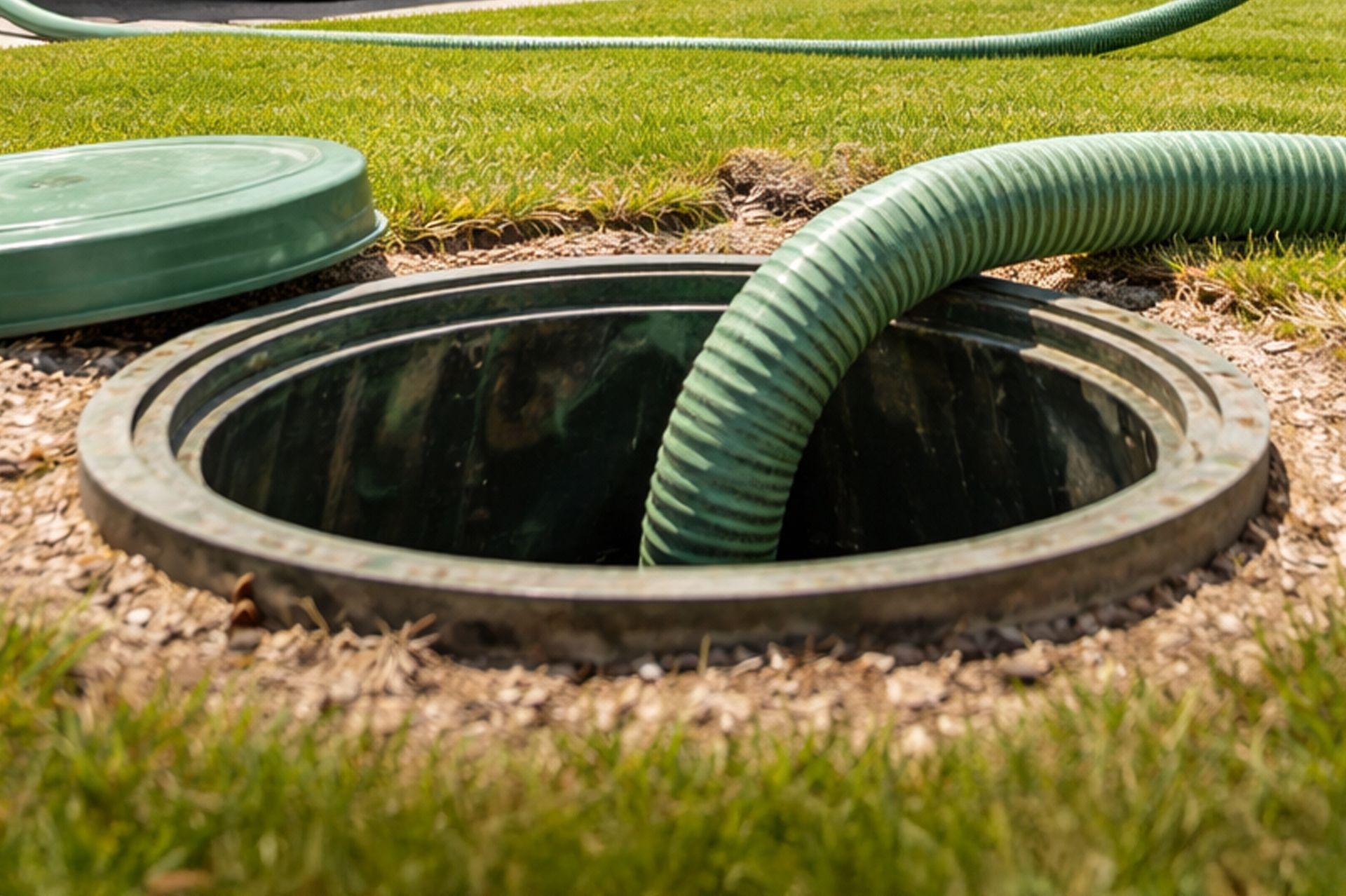
If you own a home with a septic system, regular maintenance isn’t optional — it’s essential. One of the most common questions homeowners ask is: How often should you service your septic system? The short answer: Inspect every 1–3 years and pump every 3–5 years. The long answer depends on household size, water usage, tank size, and system type. ____________________ Why Regular Septic Service Is So Important Your septic system works by: Collecting wastewater from your home Separating solids and liquids inside the tank Allowing bacteria to break down waste Dispersing treated water into the drain field Without routine service, solids build up, overflow into the drain field, and can cause: Sewage backups Drain field failure Property damage Expensive system replacement Preventative maintenance costs far less than emergency repairs. ____________________ How Often Should a Septic Tank Be Pumped? General Rule: Every 3–5 years However, this varies based on: 1. Household Size More people = more wastewater = faster buildup. 1–2 people: every 4–5 years 3–4 people: every 3–4 years 5+ people: every 2–3 years 2. Tank Size Larger tanks can hold more solids before needing pumping. 3. Water Usage Heavy laundry use, long showers, and frequent dishwasher cycles increase system strain. ____________________ How Often Should a Septic System Be Inspected? Recommended: Every 1–3 Years A professional inspection checks: Sludge and scum levels Tank integrity Baffles and filters Pump operation (if applicable) Drain field condition Regular inspections catch small issues before they become major problems. ____________________ Special Considerations for Different Septic Systems Aerobic Treatment Systems Aerobic systems require more frequent maintenance , typically: Inspection every 6–12 months Regular air pump checks Alarm system testing These systems have mechanical components that require monitoring. ____________________ Homes with Garbage Disposals Using a garbage disposal increases solid waste in the tank. If you use one regularly, you may need pumping more frequently — possibly every 2–3 years. ____________________ Signs Your Septic System Needs Immediate Service Don’t wait for your scheduled maintenance if you notice: Slow drains throughout the home Gurgling sounds in pipes Foul sewage odors Standing water near the drain field Sewage backing up into toilets or tubs These are warning signs of potential septic failure. ____________________ What Happens During Septic Service? Professional septic servicing typically includes: Locating and opening the tank Measuring sludge and scum levels Pumping out accumulated solids Inspecting internal components Checking filters and baffles Providing maintenance recommendations Routine pumping helps extend the life of your entire system. ____________________ What Happens If You Don’t Service Your Septic System? Skipping maintenance can lead to: Clogged outlet pipes Drain field contamination Permanent soil damage Full system replacement (costing $8,000–$25,000+ depending on location) Neglected systems often fail prematurely — sometimes in as little as 10–15 years instead of 25–40 years. ____________________ Septic Maintenance Tips to Extend System Life Pump regularly (every 3–5 years) Schedule inspections every 1–3 years Avoid flushing wipes and non-biodegradable items Spread out laundry loads Fix leaking faucets and toilets Avoid driving over the drain field Small habits make a big difference. ____________________ Frequently Asked Questions Can a septic tank last 20–40 years? Yes — with proper maintenance and regular service. Is septic pumping really necessary if everything seems fine? Absolutely. By the time you notice a problem, damage may already be occurring. Does adding septic additives replace pumping? No. Additives do not eliminate the need for professional pumping. ____________________ Stay Ahead of Costly Repairs with Smart Septic Maintenance! So, how often should you have your septic system serviced? Inspect every 1–3 years Pump every 3–5 years Service aerobic systems every 6–12 months Routine septic maintenance protects your home, your health, and your wallet. The small investment in regular service can prevent major repairs and extend the lifespan of your system for decades. If it’s been more than three years since your last service, now is the time to schedule an inspection. Give the Ability Septic team a call at (630) 739-6907 for your FREE Estimate.
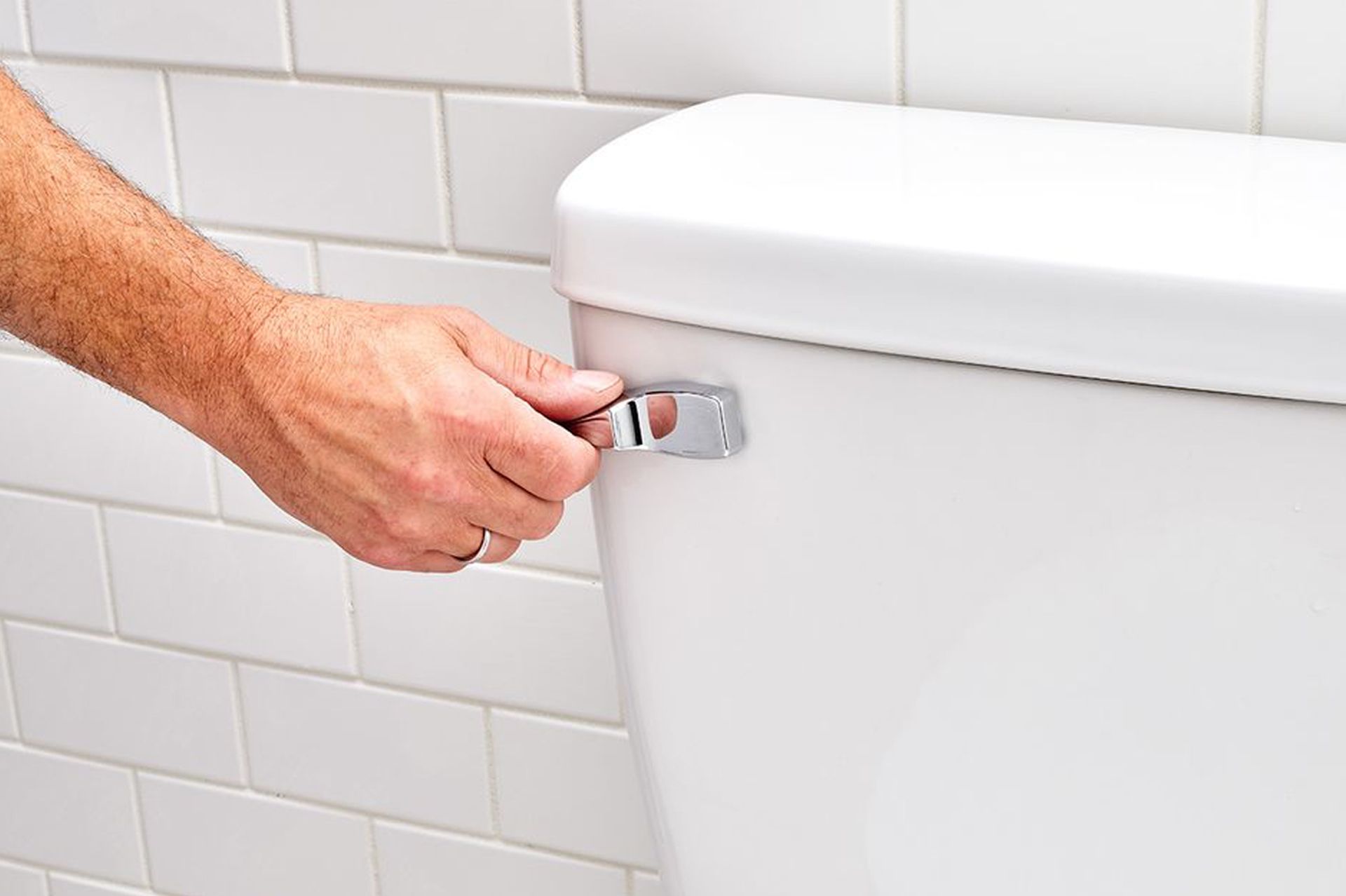
If your home uses a septic system, what you flush matters — a lot. Unlike municipal sewer systems, septic tanks rely on natural bacteria to break down waste. Flushing the wrong items can clog pipes, kill beneficial bacteria, damage your drain field, and even cause full septic system failure. In this guide, we’ll cover the top items you should never flush with a septic tank , why they’re harmful, and what you should do instead. Why Being “Septic-Safe” Matters A septic system works by: Separating solids from liquids in the tank Allowing bacteria to break down organic waste Dispersing treated wastewater into the drain field When non-biodegradable or harmful items enter the system, they can: Cause blockages Kill essential bacteria Fill the tank prematurely Lead to sewage backups Result in costly repairs or replacement Proper septic care protects your home, property value, and groundwater. 1. “Flushable” Wipes Despite the label, most flushable wipes do not break down like toilet paper. They can: Clog pipes Block pumps Accumulate in the septic tank Contribute to drain field failure Septic-safe rule: Only flush human waste and toilet paper. 2. Feminine Hygiene Products Tampons, pads, and applicators are designed to absorb moisture and expand — which makes them extremely dangerous for septic systems. They: Do not break down Cause blockages Increase sludge buildup Always dispose of them in the trash. 3. Paper Towels & Tissues Paper towels and facial tissues are thicker and more durable than toilet paper. They: Break down slowly Contribute to tank buildup Increase pumping frequency Even if they seem soft, they’re not septic-safe. 4. Grease, Fats, and Cooking Oil While these are often poured down kitchen drains rather than flushed in toilets, they’re equally harmful. Grease: Solidifies in pipes Blocks wastewater flow Disrupts bacterial activity Dispose of cooking grease in sealed containers in the trash. 5. Harsh Chemicals & Cleaners Bleach, drain cleaners, antibacterial soaps, and strong disinfectants can: Kill beneficial septic bacteria Disrupt the natural breakdown process Reduce system efficiency Use septic-safe cleaning products in moderation. 6. Medications Flushing medications introduces chemicals into your septic system and groundwater. Instead: Use pharmacy take-back programs Follow local hazardous waste disposal guidelines 7. Cat Litter Even “flushable” cat litter should never enter a septic system. It: Does not dissolve properly Adds excessive solids May contain parasites Dispose of litter in sealed trash bags. 8. Dental Floss, Hair & Cotton Swabs These small items cause big problems. They: Tangle and form clogs Accumulate in pumps Do not biodegrade Throw them in the trash — never the toilet. 9. Diapers & Baby Wipes Diapers are designed to absorb liquid and expand — exactly what you don’t want inside pipes or septic tanks. They can: Block plumbing instantly Require emergency septic service Damage pumps Always dispose of diapers in the trash. 10. Coffee Grounds Coffee grounds don’t dissolve in water. They: Settle in the tank Add unnecessary solids Increase pumping frequency Compost them instead. What CAN You Flush on a Septic System? Safe to flush: Human waste Septic-safe toilet paper (used in normal amounts) That’s it. If you’re unsure about an item, assume it belongs in the trash. How Flushing the Wrong Items Damages Your Septic System Improper flushing can lead to: Slow drains Gurgling pipes Sewage backups Foul odors Standing water in your yard Premature drain field failure Repairs can cost thousands — while prevention costs nothing. How to Protect Your Septic Tank Long-Term Pump your tank every 3–5 years Schedule inspections every 1–3 years Spread out laundry loads Avoid excessive water use Educate everyone in the household Septic systems are durable — but only when treated properly. Flush Right, Save Big: Avoid Costly Septic Repairs! When you have a septic tank, your toilet is not a trash can. Flushing the wrong items is one of the leading causes of septic system failure. Stick to flushing only toilet paper and human waste, schedule routine maintenance, and your septic system can last 20–40 years or more. If you’re experiencing slow drains or suspect septic issues, contact a licensed septic professional like Ability Septic before a small mistake turns into a major repair. Contact our experienced team today and we'll take care of the rest.
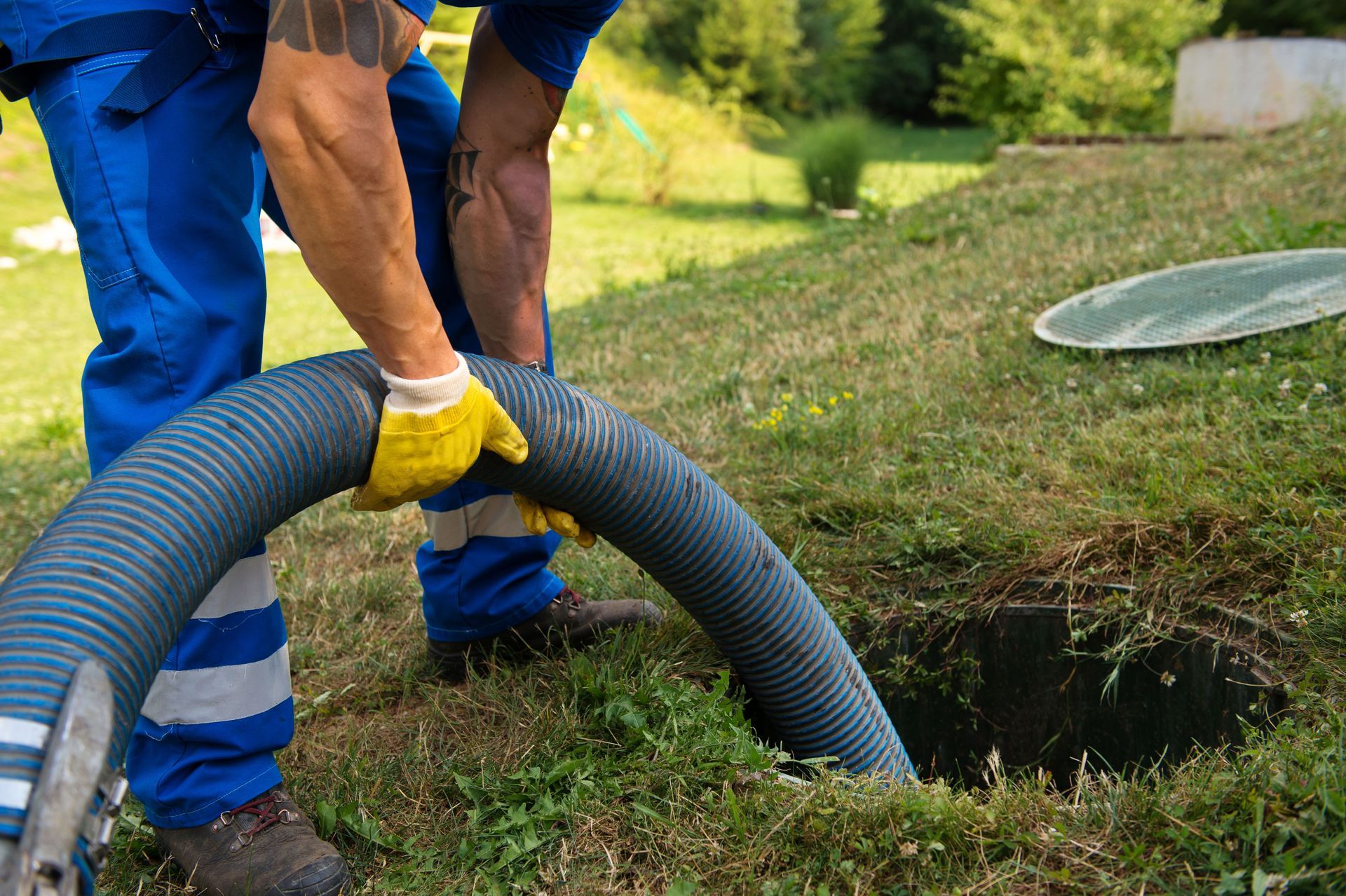
Protect your septic system with reliable septic tank repairs. Learn warning signs, compare providers, and choose experienced professionals for lasting results.
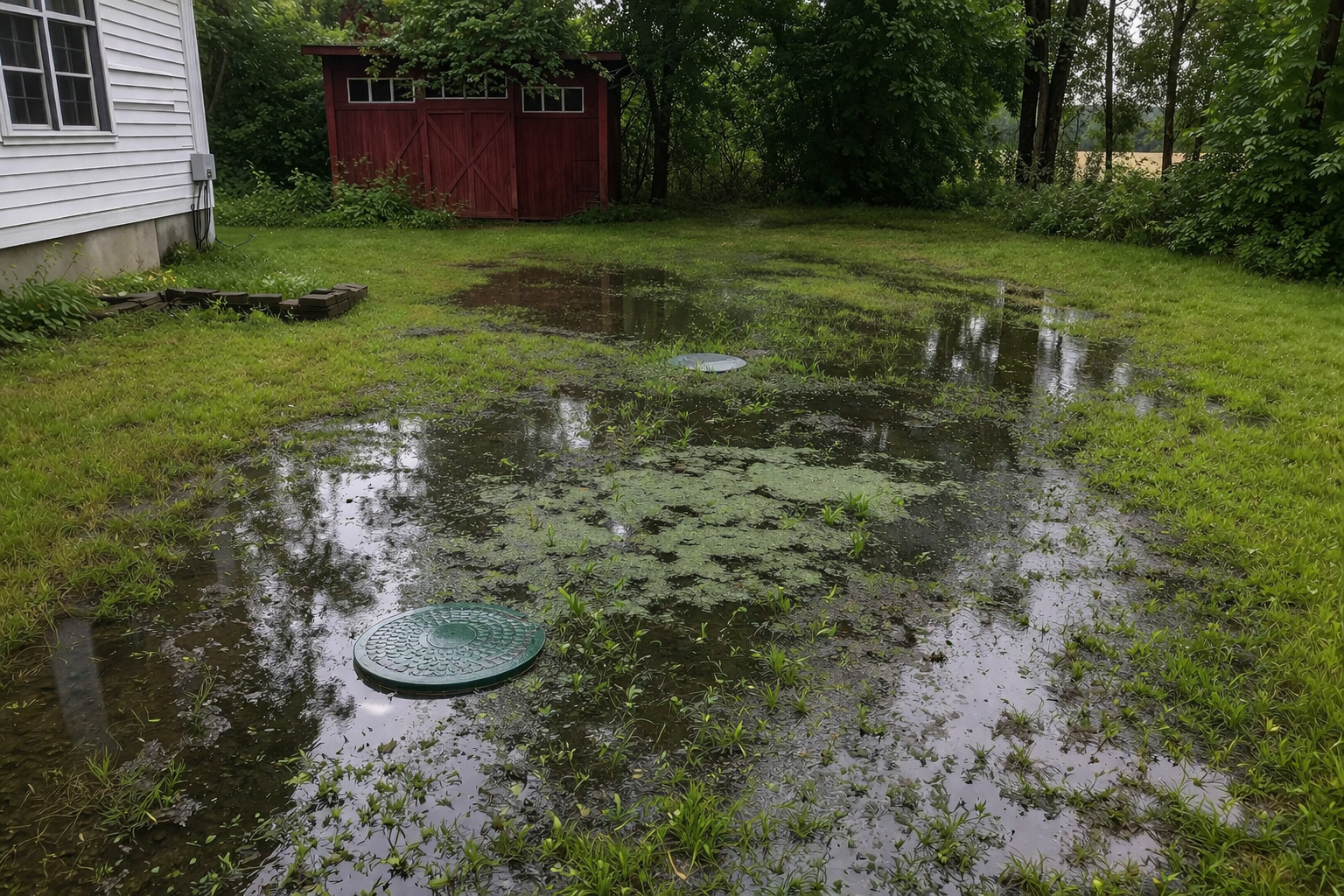
We don’t often think about our septic systems until an issue arises. Recognizing the warning signs of a failing septic tank can save you thousands of dollars in repairs — and prevent serious health hazards. Septic systems are built to last, but without proper maintenance, they can clog, overflow, or contaminate your property. Below are the most common symptoms of septic tank failure, what they mean, and when to call a professional. 1. Slow Drains Throughout the House One slow drain might be a simple clog. But multiple slow drains — sinks, tubs, showers — often point to a bigger septic issue. What it means: Your septic tank may be full, or solids could be clogging the outlet pipe or drain field. What to do: If plunging doesn’t help and the issue affects several fixtures, schedule a septic inspection immediately. 2. Sewage Backup in Toilets or Drains This is one of the clearest signs of septic tank failure. What it means: Your tank may be completely full, the outlet pipe could be blocked, or your drain field may have failed. Why it’s urgent: Raw sewage exposure poses serious health risks and can cause extensive property damage. Call a professional immediately. 3. Foul Odors Around the Yard or Inside the Home A properly functioning septic system should not smell. Warning signs include: Rotten egg or sulfur odors indoors Persistent sewage smells in the yard Strong odors near the septic tank or drain field What it means: Gases may be escaping due to cracks, leaks, or system overload. 4. Standing Water or Soggy Ground Near the Drain Field If your yard is wet despite dry weather, your septic system could be struggling. What it means: The drain field may be saturated and unable to absorb wastewater properly. This is a serious sign of drain field failure and often requires professional intervention. 5. Unusually Lush, Green Grass Over the Septic Area While green grass might seem positive, a noticeably greener patch over your septic tank or drain field can indicate a leak. What it means: Nutrients from wastewater are fertilizing the soil above a failing system. 6. Gurgling Sounds in Pipes Strange bubbling or gurgling noises when you flush or run water often signal trapped air caused by blockages or a full tank. This early warning sign shouldn’t be ignored — it may precede sewage backups. 7. High Nitrate Levels in Well Water If you use well water, contamination testing can reveal septic problems before visible symptoms appear. Elevated nitrate or bacteria levels may indicate your septic system is leaking into groundwater — a serious environmental and health concern. Ready to get your septic tank on a professional maintenance plan? Reach out to Ability Septic today to see how we can help you! What Causes Septic Tank Failure? Understanding the causes helps prevent costly repairs: Lack of regular pumping (every 3–5 years recommended) Flushing wipes, grease, or non-biodegradable items Excessive water usage Tree root intrusion Aging system components Drain field compaction from vehicles Preventative maintenance is far more affordable than system replacement. How Often Should a Septic Tank Be Inspected? Most professionals recommend: Inspection every 1–3 years Pumping every 3–5 years (depending on household size and usage) Regular inspections catch minor issues before they turn into full septic system failure. When to Call a Septic Professional Contact a licensed septic contractor immediately if you notice: Sewage backing up Persistent odors Pooling water Multiple slow drains Sudden lawn changes above the drain field Early intervention can mean the difference between a routine pump-out and a full system replacement. Act Early. Save Money. Avoid the Mess. A failing septic tank doesn’t fix itself — and waiting only increases the cost and health risks. By recognizing these early warning signs and scheduling routine maintenance, you can protect your home, your family, and your property value. If you suspect your septic tank may be failing, don’t wait. Contact our experienced team at Ability Septic at (630) 739-6907 today for a professional inspection and stop a small issue from becoming a costly emergency tomorrow.
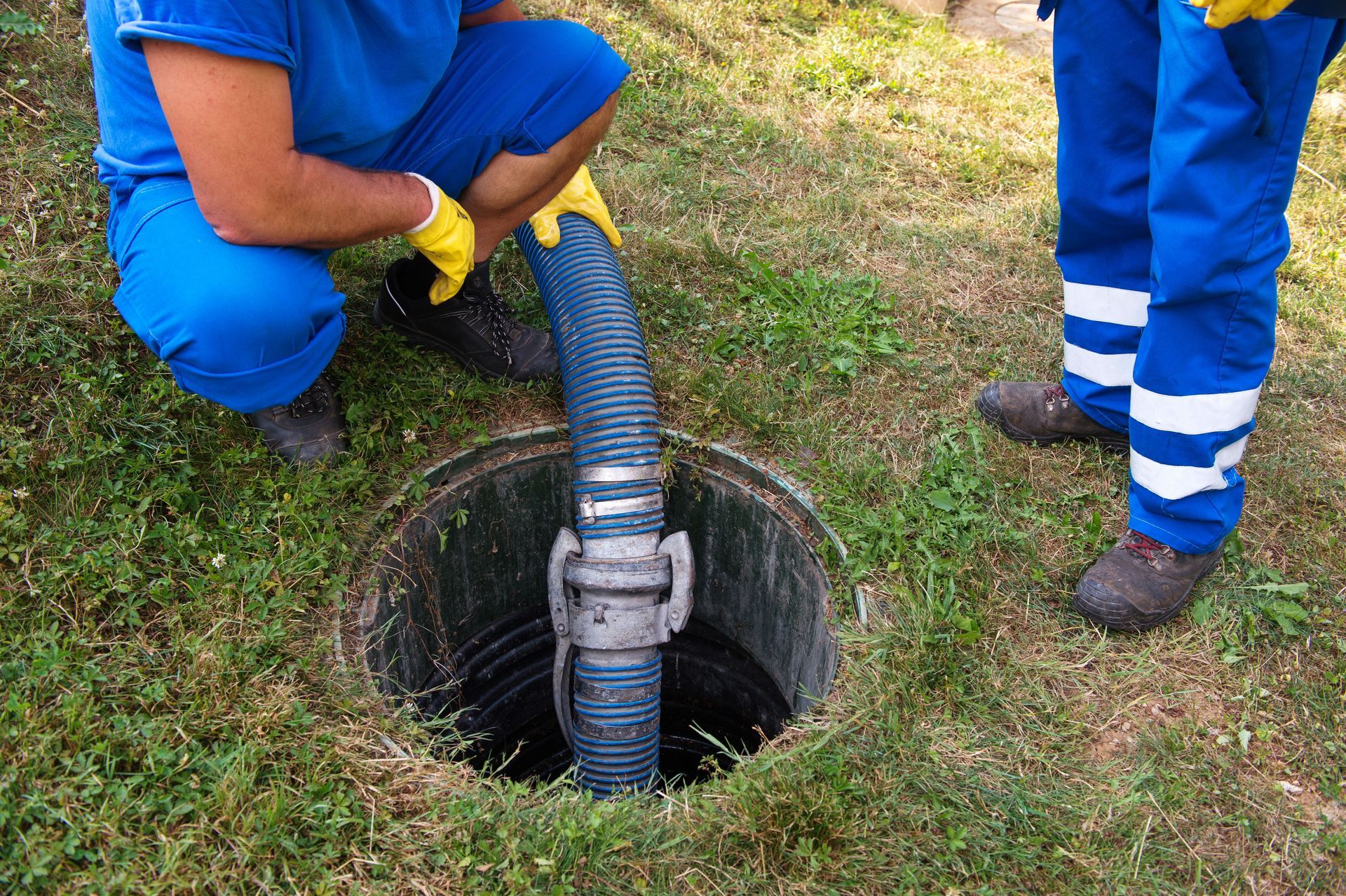
Looking for reliable contractors for septic tank services? Learn how to choose reputable providers who protect your system, property, and long-term investment.